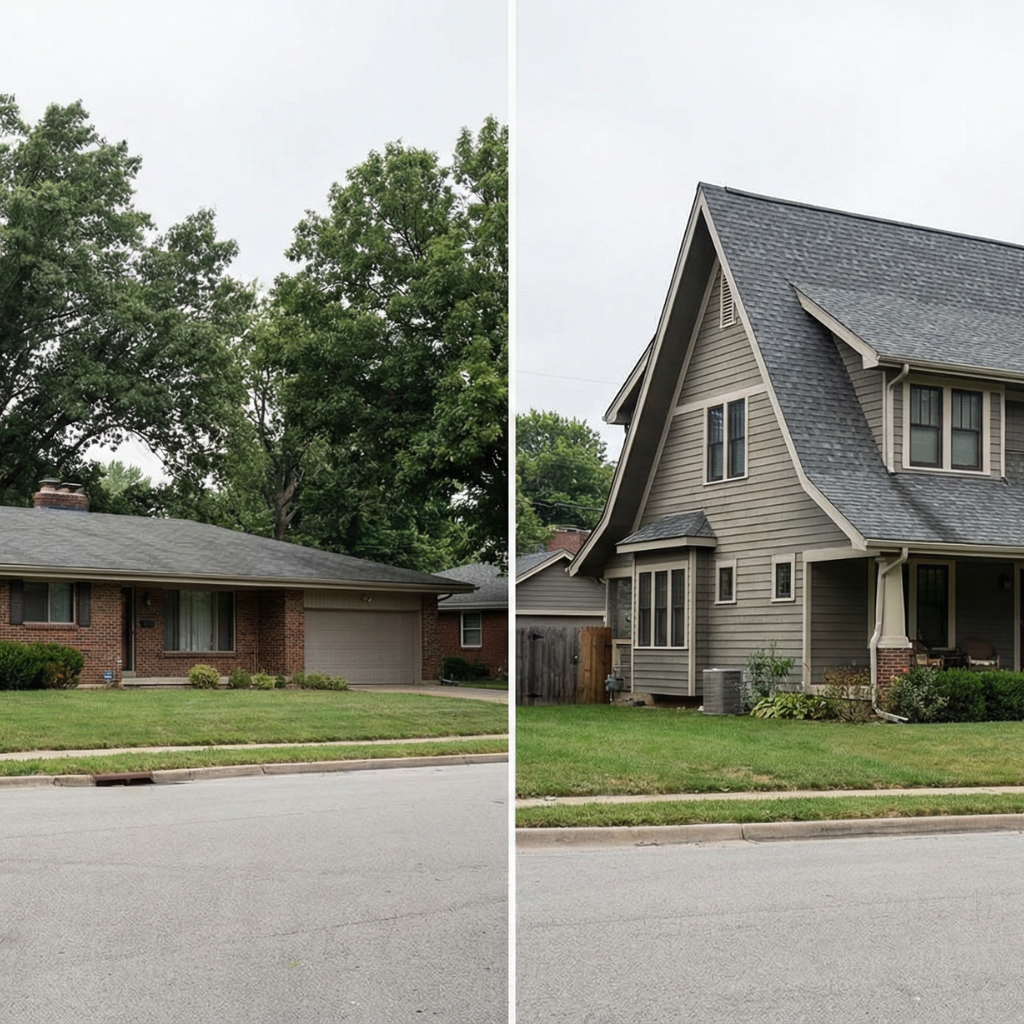

Getting a roof replacement is one of the biggest projects your home will experience. Nixa, Springfield, and Southwest Missouri homeowners often feel anxious about the process simply because they don’t know what to expect. Will it be loud? How long will crews be at your house? Can you stay home during the work?
This guide walks you through every stage of a roof replacement project, from the initial consultation through final cleanup. You’ll learn exactly what happens each day, how to prepare your home, and why spring is the ideal time to schedule your project. By the end, you’ll feel confident and ready for installation day.
TLDR: A typical asphalt shingle roof replacement takes 1-3 days for installation, with 2-3 weeks total from consultation to completion. Spring offers ideal conditions with moderate temperatures (45-85°F), better contractor availability, and optimal material performance. Prepare by moving vehicles, protecting landscaping, covering attic items, and planning for significant noise during tear-off.
Why Spring Is the Best Time for Roof Replacement
If you’re planning a roof replacement, spring offers significant advantages over other seasons. The weather, scheduling flexibility, and material performance all favor spring installation.
Ideal Temperature Range
Asphalt shingles need temperatures above 45°F to seal and adhere properly. The thermal seal strip on each shingle activates with warmth, bonding shingles together for wind resistance. Spring temperatures in Southwest Missouri typically range from 45-75°F, which falls perfectly within the optimal installation window.
| Season | Temperature Range | Installation Conditions |
|---|---|---|
| Spring | 45-75°F | Ideal for sealing, worker efficiency |
| Summer | 85-100°F+ | Too hot, materials soften, heat exhaustion risk |
| Fall | 40-70°F | Good but approaching cold threshold |
| Winter | Below 40°F | Materials brittle, won’t seal properly |
Cold weather makes shingles brittle and prone to cracking during installation. Extreme heat causes materials to stick together or soften excessively. Spring’s moderate conditions avoid both problems.
Better Contractor Availability
Summer is peak roofing season. Contractors get swamped with projects, and scheduling becomes difficult. By booking your project in spring, you get better flexibility, faster turnaround times, and more personalized attention. Contractors aren’t rushing between jobs and have time to address any questions or concerns.
Beat the Storm Season
Missouri’s severe weather peaks in late spring and summer. Replacing your roof in early spring means you’re protected before tornado season and summer thunderstorms arrive. You’re also ready for the increased cooling demands of summer, since a new roof with proper ventilation reduces attic heat buildup.
Pro tip: April is often the best month for roof replacement in Southwest Missouri. The weather is mild, severe storms are less frequent than May or June, and contractors are gearing up but not yet overwhelmed.
Complete Project Timeline
Understanding the full timeline helps you plan around the disruption and set realistic expectations.
Phase 1: Initial Consultation (1-3 Days)
The process begins when a contractor inspects your roof. According to GAF’s guide on how long roof replacement takes, many contractors now use aerial imagery and remote measurement services to deliver estimates quickly, sometimes within hours. During this phase:
- Contractor assesses roof condition and measurements
- You discuss material options (shingle type, color, brand)
- You receive a detailed written estimate
- You review warranty options and timeline
Phase 2: Permits and Preparation (1-2 Weeks)
Once you approve the estimate and sign the contract, preparation begins:
- Contractor pulls necessary permits (required in most Missouri municipalities)
- Materials are ordered and scheduled for delivery
- Installation date is confirmed
- You receive preparation instructions
Permit approval can take 1-2 weeks depending on your location. Your contractor handles this process.
Phase 3: Installation (1-3 Days for Most Homes)
The actual roofing work typically takes 1-3 days for an average-sized home with asphalt shingles. Factors that extend this timeline include:
| Factor | Additional Time | Why It Matters |
|---|---|---|
| Larger home (2,500+ sq ft) | 1-2 extra days | More surface area to cover |
| Steep pitch (8:12 or greater) | 1 extra day | Requires safety equipment, slower work |
| Complex roof design | 1-2 extra days | More cutting, more flashing work |
| Weather delays | Variable | Rain halts work, requires drying time |
| Deck damage discovered | Few hours to 1 day | Rotten wood must be replaced |
Total Project Timeline
From first consultation to final cleanup, expect 2-3 weeks for a typical residential roof replacement. This allows time for estimate review, permit approval, material delivery, and installation.
Day-by-Day Installation Process
Knowing exactly what happens each day removes the mystery and helps you prepare.
Day Before Installation
Materials arrive at your home, typically in the afternoon. Crews unload shingle bundles, underlayment, flashing, vents, and any specialty materials. A dumpster may be placed in your driveway for debris removal.
Installation Day 1: Tear-Off and Deck Inspection
Early Morning (6:00-7:00 AM): Crews arrive early, especially in warmer months. They’ll lay tarps to protect landscaping, set up ladders and safety equipment, and position the dumpster for debris. The site supervisor introduces themselves and reviews the scope of work with you.
Morning Through Early Afternoon: Tear-Off This is the loudest, messiest phase. Workers strip every old shingle, underlayment, nail, and piece of flashing down to the bare roof deck (the plywood or OSB base). Expect:
- Constant hammering, banging, and footsteps overhead
- Debris falling continuously into the dumpster
- Vibrations felt throughout your home
- Dust and granules entering your attic (normal and unavoidable)
Important: Avoid entering or exiting your home during tear-off. Debris can fall from anywhere around the roof perimeter. If you must leave, coordinate with the crew.
Afternoon: Deck Inspection With the old materials removed, crews inspect the roof deck for damage. They’re looking for rot, mold, soft spots, and any structural issues. Owens Corning’s roof replacement guide notes that damaged decking must be replaced before new materials can be installed. If significant damage is found, the supervisor documents it and discusses repair costs with you.
Installation Day 2: New Roof Installation
Installation follows a specific sequence that builds a complete roofing system:
- Drip edge installed along eaves and rakes
- Ice and water shield applied in valleys, along edges, around penetrations
- Underlayment rolled across entire deck surface
- Flashing installed at chimneys, vents, skylights, and wall intersections
- Starter shingles placed along bottom edge
- Field shingles installed row by row with proper alignment and nailing
- Ridge ventilation installed at roof peak
- Ridge cap shingles finish the ridge line
- Pipe boots and vent covers seal all roof penetrations
Each component must be installed correctly according to manufacturer specifications and local building codes. This ensures your warranty remains valid and your roof performs as designed.
Final Day: Cleanup and Inspection
Thorough Cleanup: A professional contractor leaves your property better than they found it. Final cleanup includes:
- Removing all debris, scrap materials, and packaging
- Clearing gutters and downspouts of any fallen material
- Using magnetic sweepers across your entire property (lawn, driveway, flower beds)
- Sweeping walkways, patios, and driveways
- Hauling away the dumpster
Critical: Magnetic nail sweeps are essential. A roof replacement involves thousands of nails. Industrial-grade magnetic sweepers rolled across your entire property prevent injuries and flat tires for months after the project.
Final Walkthrough: Walk the property with your contractor. Check that all work matches the contract, cleanup is thorough, and you’re satisfied with the result. This is your opportunity to address any concerns before final payment. Request copies of warranty documents, permits, and inspection approvals.
How to Prepare Your Home
Proper preparation protects your belongings and makes the project run smoothly.
Interior Preparation
GAF’s homeowner checklist recommends several key steps to prepare your home’s interior before installation day.
| Task | Why It Matters |
|---|---|
| Remove wall hangings on top floor | Vibrations can shake items loose |
| Cover attic items with drop cloths | Dust and debris will fall through |
| Secure ceiling light fixtures | Ensure bulbs are tightened |
| Close all windows and vents | Prevents dust from entering living spaces |
| Cover furniture near exterior walls | Dust protection |
The constant pounding and vibration affects your entire home. Pictures fall off walls. Items shake off shelves. Anything stored in your attic will get dusty. Take 30 minutes the day before to secure valuables.
Exterior Preparation
Move your vehicles before crews arrive. Park on the street, not in the driveway. The dumpster, materials, and work zone will occupy your driveway and immediate surroundings.
Protect landscaping by moving potted plants, garden decorations, and furniture away from the house. Crews will lay tarps, but moving delicate items prevents accidental damage.
Mark sprinkler heads with flags or tape so workers don’t trip over them or damage your irrigation system.
Mow the lawn before installation. Short grass makes cleanup easier and helps magnetic sweepers find nails more effectively.
Remove outdoor antennas or satellite dishes from the roof, or coordinate with your service provider to reinstall them after the project.
Pet Considerations
Roof replacement is extremely stressful for noise-sensitive pets. The constant banging, unfamiliar voices, and vibrations can traumatize animals, especially dogs that react to thunderstorms or fireworks.
Best option: Arrange for pets to stay elsewhere during installation. A friend’s house, doggy daycare, or boarding facility keeps them comfortable.
If staying home: Place pets in a quiet interior room, ideally a basement or room farthest from the work. Consider calming aids or white noise to mask the sounds.
What to Expect: Noise, Dust, and Disruption
Be realistic about the disruption level. Roof replacement is loud, messy, and intrusive, but it’s temporary.
Noise Levels
Tear-off is the loudest phase. Hammers, pry bars, nail guns, and compressors create constant noise from early morning until late afternoon. You’ll feel vibrations through the house. Normal conversation becomes difficult. Working from home on video calls isn’t practical during tear-off day.
Not recommended during installation:
- Baby nap schedules
- Working from home
- Hosting visitors
- Recording podcasts or videos
Dust and Debris
Small granules and dust will enter your attic. This is unavoidable. Covering stored items before the project prevents damage. Some dust may also enter through ceiling fixtures or poorly sealed areas.
Asphalt dust can be irritating. If you have respiratory sensitivities, staying elsewhere during tear-off is wise.
Should You Stay Home?
You can absolutely stay home during roof replacement, but understand the tradeoffs.
Advantages of staying:
- Monitor work quality in real-time
- Available for questions or decisions
- Direct communication with crew
- No lodging costs
Advantages of leaving:
- Escape the noise and disruption
- More productive work environment
- Better for children or pets
- Less stress overall
Best approach: Consider a hybrid. Leave during tear-off (the loudest, dustiest phase) and return for the quieter installation and cleanup phases. Ensure the crew can reach you by phone if questions arise.
Weather Delays and Contingencies
Spring weather in Missouri can be unpredictable. Light rain may pause work temporarily. Heavy rain or storms will halt the project until conditions improve.
How contractors handle delays:
- Temporary protection: If rain threatens mid-project, crews cover exposed areas with tarps
- Schedule flexibility: Reputable contractors build weather contingencies into their timelines
- Clear communication: You’ll receive updates about delays and revised completion dates
If your roof is partially completed when rain arrives, don’t panic. Contractors are experienced at protecting exposed decking. The underlayment itself provides temporary waterproofing.
Cost Expectations for 2025
Understanding typical costs helps you budget appropriately.
| Home Size | Asphalt Shingles | Architectural Shingles |
|---|---|---|
| 1,500 sq ft | $7,000-$12,000 | $9,000-$15,000 |
| 2,000 sq ft | $9,000-$16,000 | $11,000-$18,000 |
| 2,500 sq ft | $11,000-$18,000 | $14,000-$22,000 |
Labor typically represents 50-60% of total project cost. This pays for skilled installation that meets building codes and manufacturer specifications, which ensures your warranty remains valid.
Unexpected costs can arise if significant deck damage is discovered during tear-off. Reputable contractors include a per-sheet price for additional decking replacement in their estimates, so you know what to expect if repairs are needed.
Frequently Asked Questions
How long will workers be at my house each day? Crews typically work from 7:00 AM until 5:00-6:00 PM, depending on daylight and weather. Tear-off days may start earlier to maximize productive hours.
Will my home be protected overnight if the project takes multiple days? Yes. Contractors secure the roof with underlayment and tarps before leaving each day. Your home remains protected from weather.
Can I use my bathroom and kitchen during installation? Yes. Plumbing vents are addressed as part of installation, but water and drainage remain functional throughout the project.
What if it rains during my scheduled installation? Your contractor will communicate delays and reschedule. Exposed areas receive temporary protection. A day or two of delay is common with spring projects.
Do I need to be home during installation? Not required, but staying accessible by phone is important. Decisions about deck repairs or material substitutions may arise.
Key Takeaways
- Spring is ideal for roof replacement due to moderate temperatures, better contractor availability, and optimal material performance.
- Total timeline runs 2-3 weeks from consultation to completion, with 1-3 days of actual installation for most homes.
- Tear-off is loud and messy. Prepare by moving vehicles, protecting landscaping, covering attic items, and arranging for noise-sensitive pets to stay elsewhere.
- Cleanup matters. Professional contractors use magnetic sweepers and leave your property clean.
- Weather delays happen. Build flexibility into your schedule and trust your contractor’s contingency plans.
- Final walkthrough is your opportunity to verify quality and address any concerns before final payment.
Ready to Schedule Your Spring Roof Replacement?
Now you know exactly what to expect. The process is manageable when you’re prepared, and spring timing gives you the best conditions for a successful project.
Roov has helped hundreds of Southwest Missouri homeowners through roof replacement projects. We walk you through every step, communicate clearly about timelines and costs, and leave your property cleaner than we found it.
What sets Roov apart:
- GAF Master Elite certified (top 2% nationwide)
- Clear communication throughout your project
- Thorough cleanup including magnetic nail sweeps
- Free, no-pressure roof inspections
- Detailed estimates with no surprises
???? Call: 417-370-1259 ✉️ Email: [email protected] ???? Visit: roovmo.com
We serve Nixa, Ozark, Springfield, Branson, Republic, Bolivar, and all surrounding communities. Schedule your free inspection today and get your spring project on the calendar.
Roov | Roofing with a Purpose | Serving Southwest Missouri