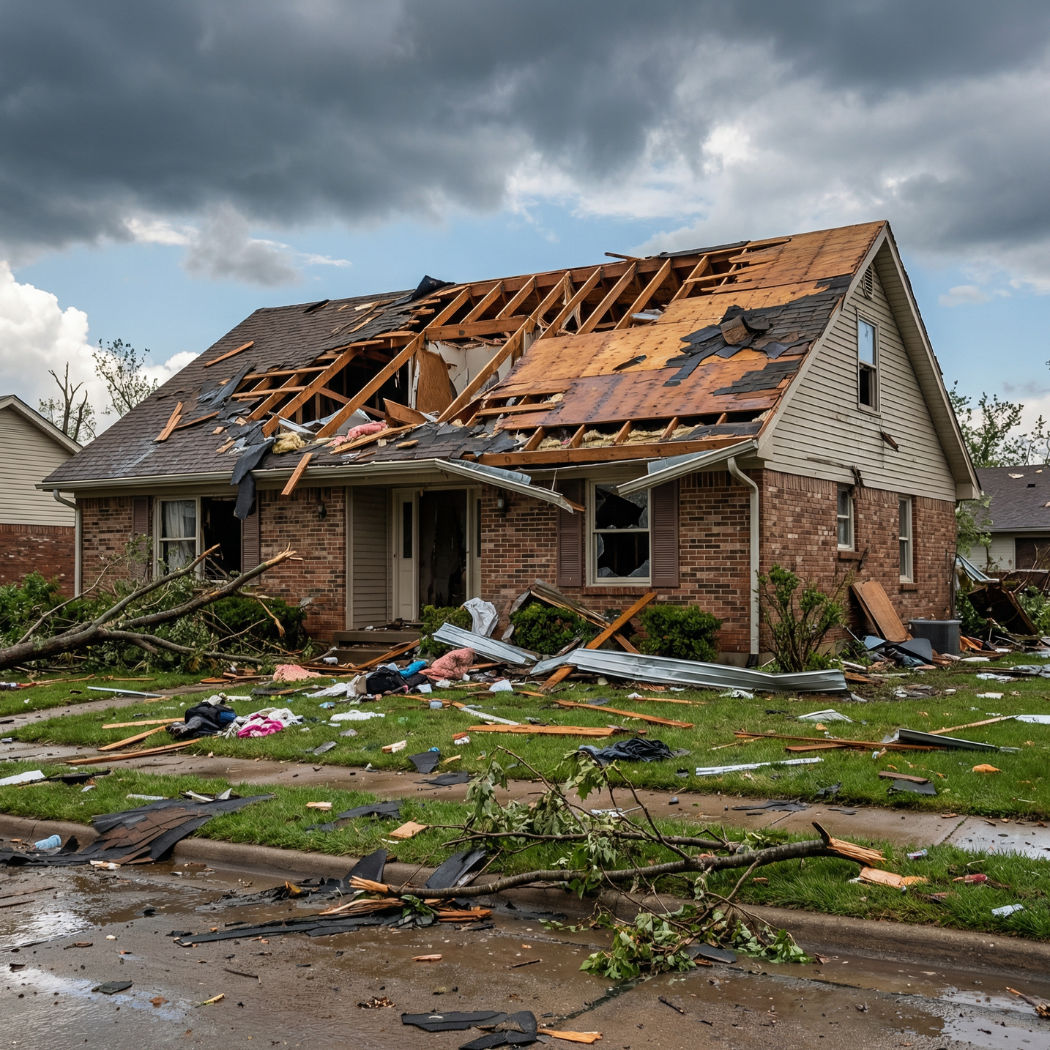

Your roof took a hit in that last storm. Maybe hail hammered a neighborhood in Willard for ten minutes. Maybe straight-line winds tore through Hollister at 65 mph. You walked outside the next morning, looked up, and everything seemed fine. So you moved on.
Most homeowners do. And most of them pay for it later.
This guide explains what hidden roof damage actually looks like, what happens when you leave it alone, and why the insurance clock starts running the moment that storm passes over your home.
TLDR: The most expensive roof damage is the kind you cannot see. Hail bruises shingles internally, wind snaps the adhesive seals holding them flat, and small cracks open in flashing around your chimney and vents. None of it shows from the ground. Left alone, minor storm damage turns into decking rot, mold, and a denied insurance claim. Keep reading to understand the full cost of waiting.
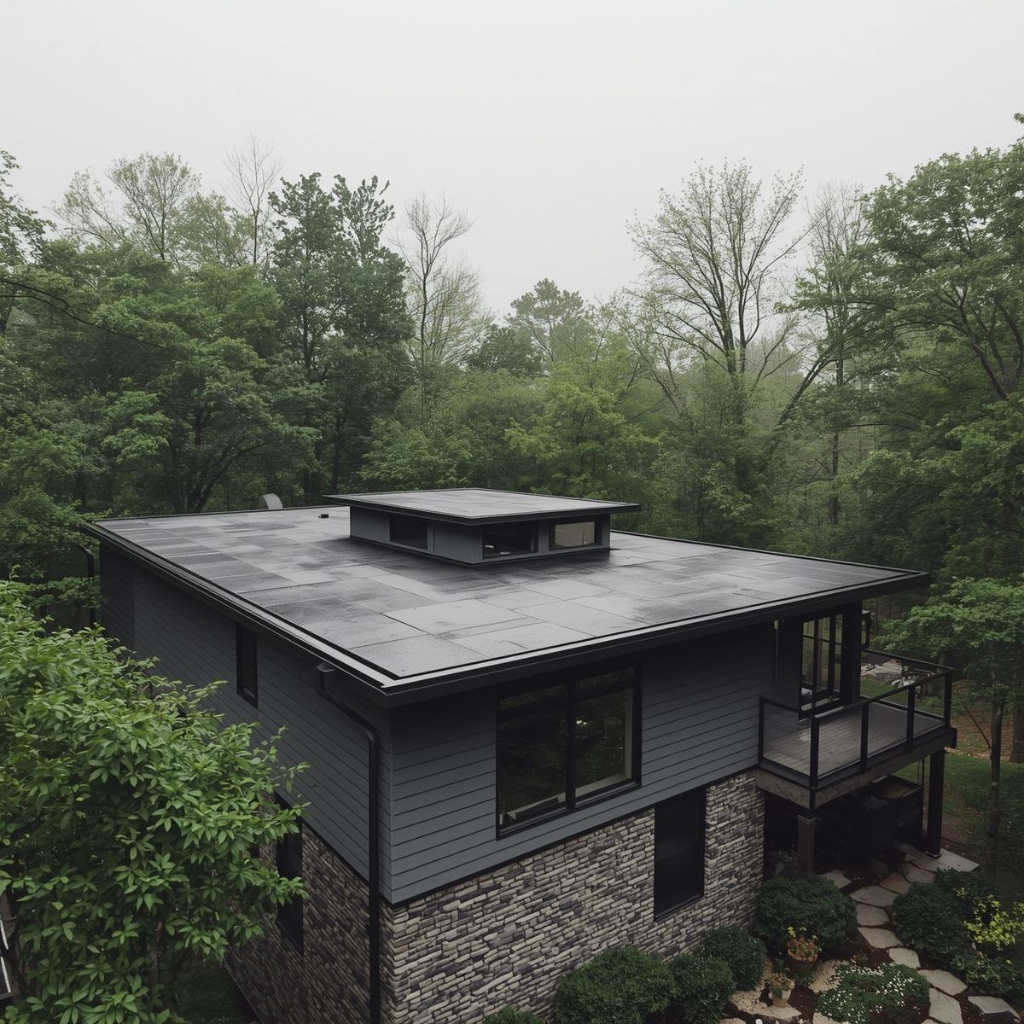
You walked the yard. You looked up. The shingles are still there. Nothing is hanging off the gutters. You figure you got lucky.
Here is the problem: the damage that turns a $300 repair into a $15,000 replacement is the damage you cannot see from the ground. It lives in the shingle mat, in the seal strips, in hairline cracks along your flashing. It is already there. And every day you wait, it gets worse.
A free 30-minute inspection is the only way to know for certain. But first, let us talk about what you are actually dealing with.
What Hidden Storm Damage Actually Looks Like
The National Weather Service confirms that severe hail of 1 inch or larger causes nearly $1 billion in property damage annually across the country. Southwest Missouri sits squarely in the zone where those storms hit repeatedly. But size alone does not tell the whole story.
Hail bruising is the most common hidden damage. A hailstone does not have to crack your shingle on the surface to destroy it. The impact drives through the granule layer and cracks the fiberglass mat underneath. The shingle looks intact. But its structure is broken. Over the following weeks, that bruised spot loses granules faster, becomes brittle, and eventually opens to water.
Broken seal strips are just as sneaky. High winds create uplift pressure that snaps the adhesive bond holding each shingle flat to the one below. After the wind dies, the shingle lays right back down. It looks exactly like it did before the storm. But the bond is gone, and the next weather event will peel it off entirely.
| Damage Type | What It Looks Like From Ground | What Is Actually Happening |
|---|---|---|
| Hail bruising | Normal shingle surface | Fiberglass mat cracked underneath |
| Broken seal strip | Shingle flat and in place | Adhesive bond completely gone |
| Granule loss | Faint bare spots, if visible | UV exposure accelerating shingle aging |
| Flashing cracks | No visible sign | Hairline splits allowing water entry |
| Nail pops | Not visible | Uplift pushing fasteners loose from decking |
Granule loss accelerates UV breakdown faster than most homeowners realize. Once the protective coating erodes, the asphalt layer underneath begins drying out and cracking within months, not years. Nail pops from wind uplift break the seal at each fastener, creating tiny entry points for water that widen through freeze-thaw cycles.
Pro tip: After any storm where hail was reported in your area, check your windowsills and gutters. Granule runoff collects in both. A heavy sandy buildup is a reliable sign that shingles took impact.
What Happens When You Ignore It
This is where the real cost lives. Hidden damage does not stay hidden. It progresses through a predictable timeline.
| Time After Storm | What Is Happening | Repair Cost Range |
|---|---|---|
| 0 to 4 weeks | Granule loss increasing, seal breaks widen | Minor repair, often insurance-covered |
| 1 to 3 months | UV degradation begins on exposed areas, shingles dry out | Minor to moderate repair |
| 3 to 6 months | Water penetrates under surface, decking absorbs moisture | Moderate repair + possible decking work |
| 6 to 12 months | Rot, mold, insulation damage, ceiling stains | Full or partial replacement, possible denial |
Real example: A homeowner in Republic noticed a faint water stain on a guest room ceiling about eight months after a hail event. By the time Roov’s team inspected the roof, two sections of wood decking under the shingles were soft and beginning to rot. What would have been a shingle repair shortly after the storm became a partial replacement with decking work included.
GAF notes that ignoring wind damage leads to roof leaks, mold growth, and structural problems when not addressed quickly. The same principle applies to hail: the surface looks fine long after the underlying damage has already started progressing.
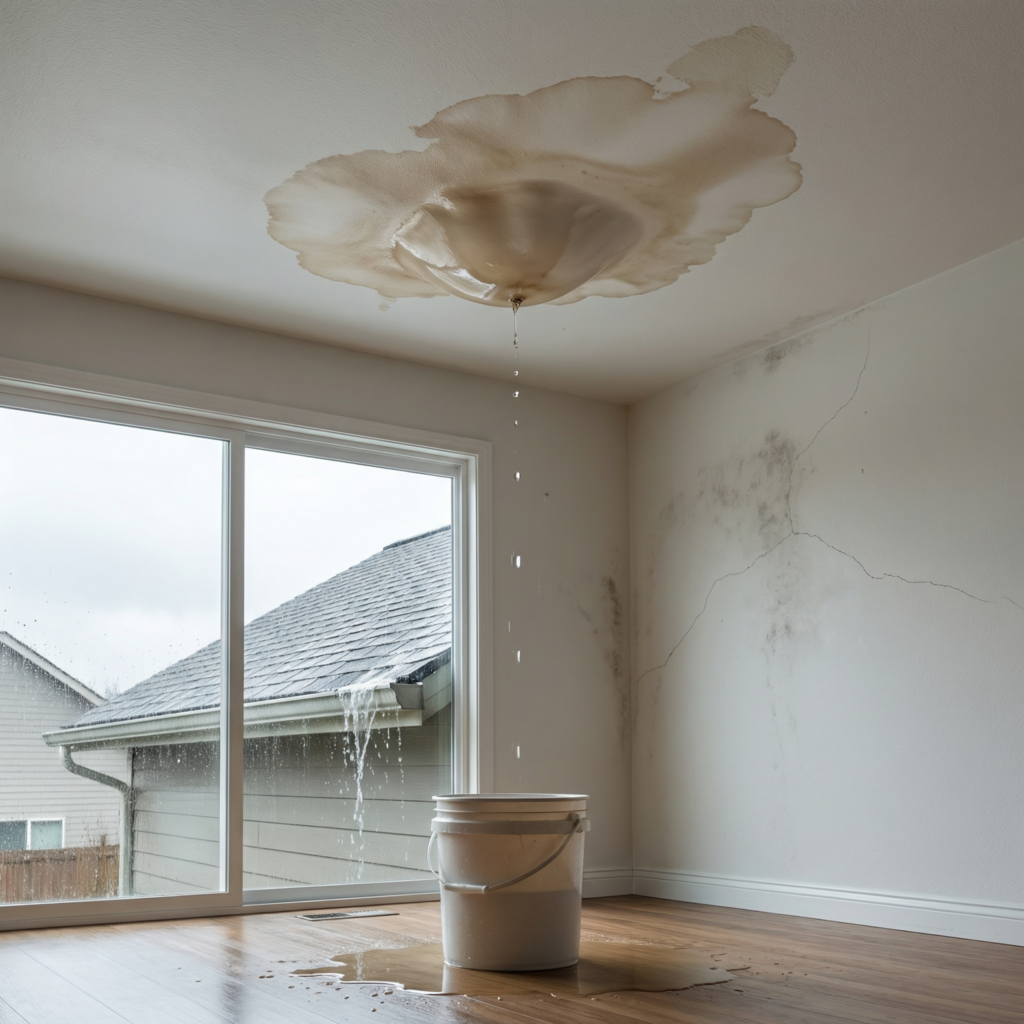
Pro tip: A faint yellow or brown ring on a ceiling is not just a cosmetic issue. It means water has already been pooling in your attic. By the time it shows on the ceiling, the decking above it has likely been wet for weeks.
Pro tip: Mold can establish itself in attic insulation within 24 to 48 hours of consistent moisture exposure. Remediation costs between $1,500 and $5,000 depending on the size of the area affected.
The Insurance Clock Is Ticking
Most homeowners do not know this part: your insurance company has specific time expectations, and the longer you wait, the weaker your position becomes.
In Missouri, most insurers expect storm damage to be reported within 60 days of the event. Formal claims generally must be filed within 12 months. But time limits are only half the problem.
Insurance adjusters need a clear, documented connection between a specific storm and the damage on your roof. When you wait six or eight months, two things happen: your roof has deteriorated further on its own, and the adjuster can now argue that the damage is from neglect or normal wear, not a covered storm event. That argument turns an approved claim into a denied one.
| Action | Insurance Outcome |
|---|---|
| Inspection within days of storm | Damage clearly tied to specific event |
| Inspection within 30 days | Strong claim, minor documentation gaps |
| Inspection at 3 to 6 months | Harder to isolate storm cause |
| Inspection after 6 to 12 months | High denial risk, wear-and-tear argument likely |
Real example: A couple in Forsyth waited nearly a year before calling about hail damage from a spring storm. When their carrier sent an adjuster, the claim was partially denied on the grounds that the shingle deterioration could not be definitively tied to that specific storm. A documented inspection done immediately after the storm would have protected the full claim.
Pro tip: Even if you are not ready to file a claim yet, get the inspection done immediately after the storm. A written Roof Condition Report with photos and a storm date creates the documentation trail your carrier needs.
Pro tip: If a major storm hits your area, check your local news for any event reports from the National Weather Service. A published storm track or hail report from Weather.gov strengthens your claim by confirming hail size and location.
How a Free Inspection Saves You Thousands
Roov offers free, no-pressure hail and wind damage inspections for homeowners across Southwest Missouri. Here is what the process looks like.
Our team gets on your roof and checks every slope, every flashing point, ridge caps, vents, pipe boots, gutters, and your attic. We photograph everything and document all findings. Then we give you a written Roof Condition Report.
If we find storm damage, we walk you through your insurance options. We can meet your adjuster on the roof to make sure nothing gets missed. If your claim is approved, you could get a new roof for just your deductible. According to GAF’s guidance on what to do about missing shingles, acting quickly is the difference between a minor repair and a full replacement.
If we do not find storm damage, we tell you that. No pressure. No upsell.
Pro tip: Bring your insurance declarations page to your inspection appointment. Knowing your deductible, coverage type (ACV vs. RCV), and any existing exclusions helps Roov give you a more complete picture of what a claim would look like.
Act Now vs. Wait: The Real Cost Comparison
| Scenario | Typical Outcome |
|---|---|
| Inspection within 1 week, minor damage found | Small repair or insurance-covered replacement |
| Inspection within 30 days, moderate damage | Insurance claim likely approved, deductible only |
| Wait 6 months, leak develops | Repair plus decking work, claim harder to prove |
| Wait 12 months, mold and rot present | Full replacement, potential denial, out of pocket |
Real example: A homeowner in Rogersville called Roov within five days of a hail storm after a neighbor mentioned their roof was affected. Roov found granule loss across two slopes and a cracked flashing seal at the chimney. The insurance claim went smoothly because the damage was fresh, documented, and clearly connected to the storm date. Total out-of-pocket cost: their deductible.
Pro tip: Do not let a contractor you do not know pressure you into filing a claim before you have had an independent inspection. Get Roov’s written findings first so you understand exactly what you are filing for.
What to Do Right After a Storm
- Walk your yard and document any shingles, debris, or granule buildup you can see from the ground.
- Take photos of your gutters, downspouts, and any visible roof edges from a safe distance.
- Do not climb on the roof yourself. Let a professional assess the structural condition first.
- Note the storm date and check Weather.gov or local news for any published hail size reports.
- Call Roov for a free inspection. We prioritize storm response and typically schedule within days.
- Notify your insurance company that a storm event occurred and that an inspection is in progress.
- Do not sign anything until you have a written Roof Condition Report in hand.
Pro tip: Even a verbal report to your insurance carrier that “a storm occurred and I am having an inspection done” creates a timestamp in your claim file. You do not have to file a formal claim to make that call.
Frequently Asked Questions
Q: How do I know if hail actually hit my specific neighborhood? The National Weather Service publishes storm reports with hail size and path data after significant weather events. Your local news often publishes these maps as well. Roov can also verify storm activity in your area as part of the free inspection process.
Q: My roof looks completely fine. Is it worth having it checked anyway? Yes. The most costly damage is the kind that is not visible from the ground. Shingle bruising, broken seal strips, and hairline flashing cracks all require a hands-on roof inspection to identify. A clean visual from the yard is not a reliable indicator of what is underneath.
Q: What is the deadline to file a hail damage claim in Missouri? Most Missouri homeowners policies require formal claim filing within 12 months of the storm event. However, insurers typically expect initial damage reporting within 60 days. The sooner you document and report, the stronger your claim position.
Q: Can the insurance company deny my claim if I wait too long? Yes. If significant time has passed, your carrier may argue that the damage resulted from neglect or normal wear and tear rather than a specific storm. A documented inspection done close to the storm date is the strongest protection against that argument.
Q: What does “decking damage” mean and how serious is it? Decking is the wood layer under your shingles. When water gets under damaged shingles consistently, the decking absorbs moisture and begins to rot. Soft decking requires replacement before new shingles can be installed, which adds meaningful cost to a job. Catching damage before the decking is affected keeps the scope of work much smaller.
Q: Does Roov charge for inspections? No. Roov’s inspections are completely free with no obligation. If no damage is found, you get peace of mind. If damage is found, we give you a clear, documented picture of what your options are.
Q: What is a Roof Condition Report? It is a written document Roov produces after every inspection. It includes photos, measurements, and specific findings for every area of your roof. This document is what protects your insurance claim and gives you an accurate baseline for any future comparison.
Q: Can I do a temporary fix myself while I wait for an inspection? You can place buckets and plastic sheeting to manage active leaks indoors. Do not attempt to apply patch materials, sealants, or caulk to the roof yourself before an inspection. DIY repairs can sometimes complicate insurance claims by making it harder to assess original damage.
Key Takeaways
- Damage hides. Hail bruises and broken seal strips are not visible from the ground and require a professional hands-on inspection to find.
- Time is the enemy. What starts as a minor repair becomes decking rot, mold, and a potential full replacement within 6 to 12 months.
- The insurance clock is real. Missouri policies generally require reporting within 60 days and formal filing within 12 months. Waiting weakens your claim.
- Documentation is protection. A written Roof Condition Report with photos and a storm date is the single most important tool in a successful insurance claim.
- Inspections are free. There is no cost and no pressure to call Roov. If nothing is wrong, you will know for certain.
- The cost gap is enormous. Acting quickly after a storm can mean a covered repair. Waiting can mean a five-figure out-of-pocket replacement.
- Roov tells you the truth. If there is no storm damage, that is exactly what you will hear.
Schedule Your Free Inspection Before the Damage Gets Worse
Every week you wait after a storm is a week that hidden damage progresses. Granules keep washing off. UV keeps attacking exposed shingles. Moisture keeps working its way toward your decking. And your insurance window keeps closing.
Roov has helped hundreds of homeowners across Southwest Missouri catch damage early and navigate claims successfully. We bring GAF Master Elite expertise and the honesty of “Roofing with a Purpose” to every inspection. Our job is to give you accurate information and let you decide, not to sell you something you do not need.
Schedule your free roof insurance claim assistance consultation or inspection today.
Serving Clever, Willard, Hollister, Republic, Forsyth, Rogersville, and all of Southwest Missouri.
Roov | Roofing with a Purpose | Serving Southwest Missouri