
You haven’t thought about your roof in months. Then last week’s hailstorm sent baseball-sized ice crashing down, and now you’re wondering if your roof survived. Do you need a professional roof inspection, or can you check it yourself?
TLDR: Professional roof inspections should happen twice yearly (spring and fall) per NRCA guidelines, plus after every major storm. Most inspection can be done safely from the ground using binoculars and attic checks. Never climb on your roof yourself. Key warning signs include missing or curling shingles, water stains in your attic, excessive granule loss in gutters, and sagging rooflines. Call professionals immediately for active leaks, sagging, or after severe weather.
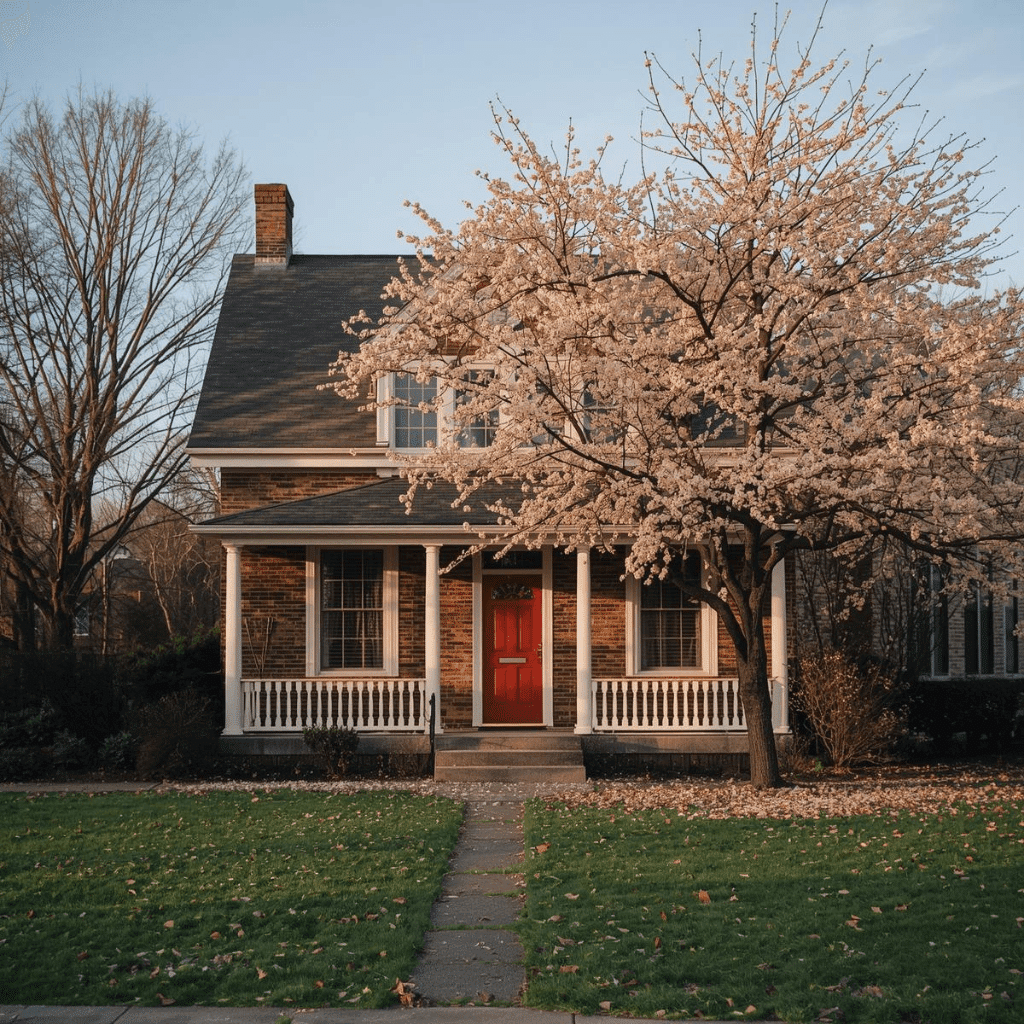
You walk outside after last night’s storm. Your neighbor mentions they saw shingles blow off during wind gusts. You stare at your roof from the driveway. It looks…fine? Maybe?
The truth is, most roof damage isn’t visible from a quick glance. Hail creates micro-cracks that compromise protection without obvious signs. Wind lifts shingle edges you can’t see from the ground. Water infiltrates through failed flashing, but you won’t notice until brown stains appear on your ceiling.
Southwest Missouri’s weather makes regular inspections critical. With 2-3 hailstorms annually, 30-50 freeze-thaw cycles each winter, and spring tornado season, your roof faces constant assault.
How Often Should You Inspect Your Roof?
The National Roofing Contractors Association recommends at least twice yearly: spring and fall. Missouri homeowners need additional checks due to severe weather.
Age-Based Frequency: Under 10 years (annual), 10-15 years (annual minimum), 15+ years (twice yearly).
Event-Based: After every hailstorm, high wind, heavy snow, or tornado warning in your area.
Pro tip: Schedule spring inspections in late March/early April after freeze-thaw cycles end. Schedule fall inspections in September/October after summer heat but before winter weather.
Between professional inspections, conduct quarterly visual checks from the ground.
Safe DIY Inspection: What You Can Check from the Ground
Never climb on your roof yourself. Falls from roofs are a leading cause of homeowner injuries. You can conduct effective inspections from ground level.
Ground-Level Visual Inspection
Walk around your home with binoculars. Look for missing shingles, cracked or curling shingles, excessive granule loss (dark patches), sagging areas, and damaged flashing around chimneys, vents, or skylights.
Pro tip: Cross the street and view your roof from a distance. This perspective makes sagging areas and missing shingles more obvious.
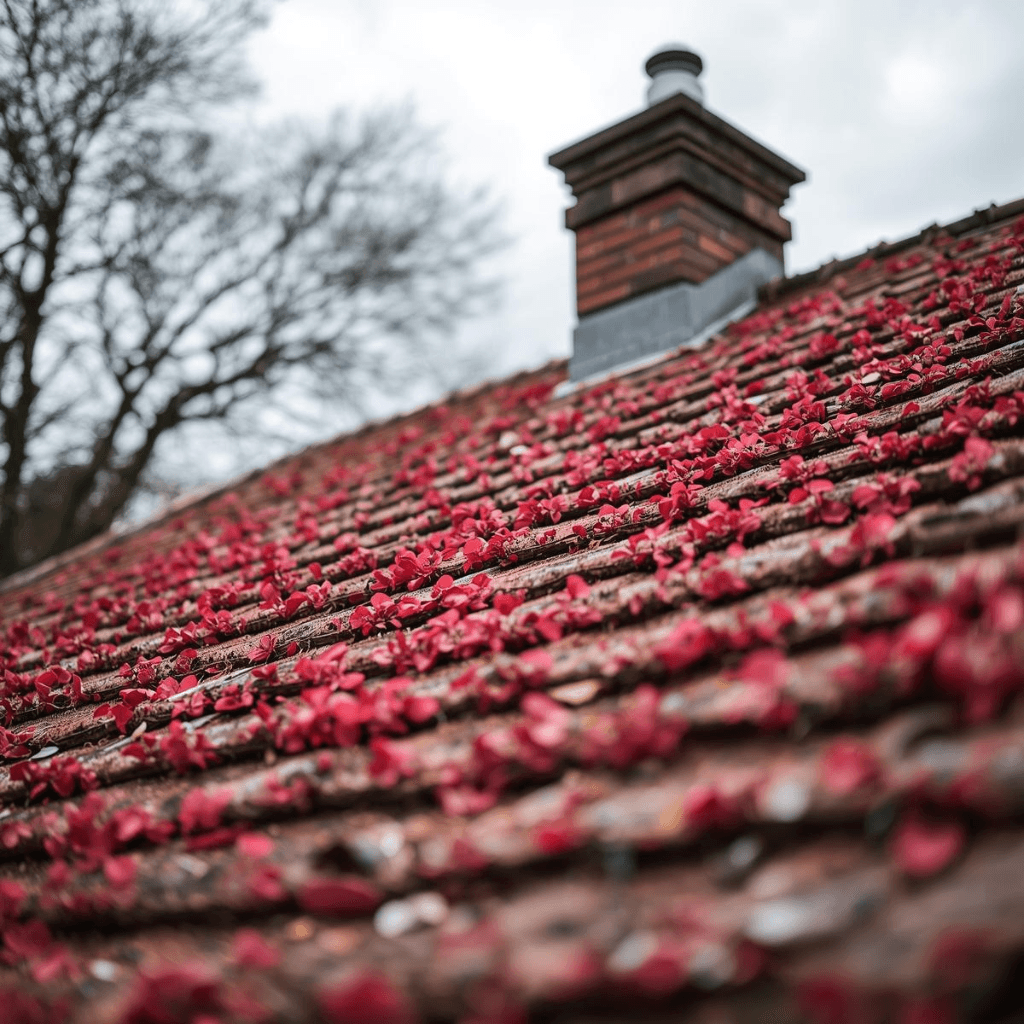
Check your chimney for cracks, loose bricks, or missing caps. Inspect visible trim and flashing for rust or gaps.
Attic Inspection
Your attic reveals problems invisible from outside. Check during daytime with a flashlight.
Look for daylight penetrating through roof boards (visible light indicates holes). Search for water stains (yellow, brown, or dark patches). Feel insulation for damp or compressed areas that indicate leaks. Notice musty or moldy odors. Check for mold growth (black, white, or green patches), warped or sagging decking, and rusty nail heads.
Pro tip: Conduct attic inspections after rainstorms when active leaks are most visible. Dry water stains still indicate problems requiring professional assessment.
Gutter and Downspout Check
Clean gutters twice yearly (fall and spring). During cleaning, inspect for rust, cracks, sagging, and proper slope.
Critical indicator: Heavy shingle granules in gutters signal aging shingles approaching failure. Heavy accumulation (enough to fill your palm) indicates accelerated wear.
Ensure downspouts extend at least 6 feet from foundation.
What Professionals Look for During Inspections
Professional roof inspections provide comprehensive assessment homeowners can’t replicate.
Comprehensive inspection includes: Visual assessment of roof surface, valleys, and ridges. Detailed flashing examination around penetrations. Attic ventilation and insulation evaluation. Moisture detection using specialized equipment. Drainage assessment and gutter function. Structural integrity evaluation of rafters, trusses, and decking.
Professionals identify: Early warning signs invisible to homeowners like micro-cracks from hail, lifted seal strips from wind, and deteriorating underlayment. They also find hidden damage including water infiltration paths, compromised decking, and failing flashing.
Manufacturers often require professional inspections to maintain warranty coverage. Insurance companies need professional documentation for storm damage claims.
Warning Signs That Require Immediate Professional Attention
Call a professional roofer immediately for:
Sagging roof: Visible dips or drooping indicate serious structural problems requiring immediate evaluation before potential collapse.
Active leaks: Water dripping inside, damp ceiling spots, or puddles after rain need emergency repair.
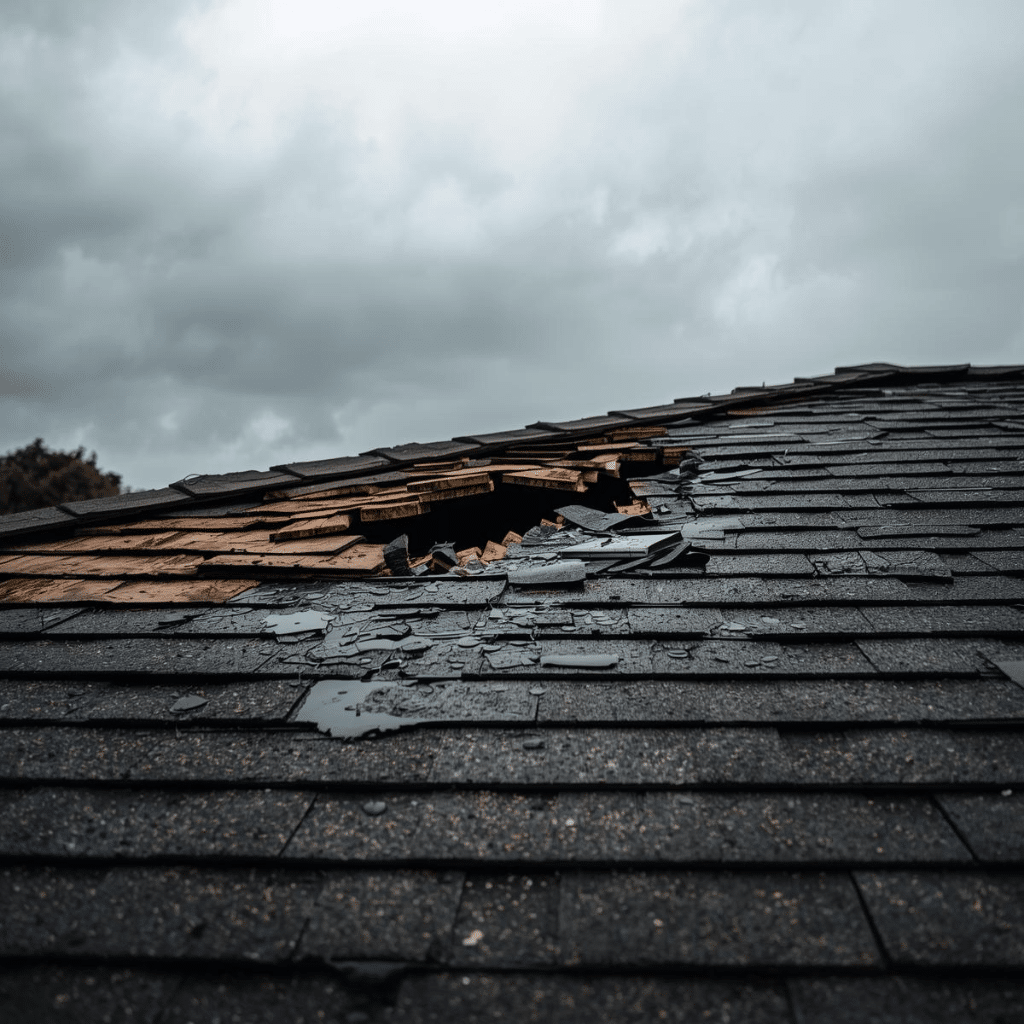
Multiple missing shingles: Exposed underlayment deteriorates rapidly.
Visible light through attic roof: Holes allow water, pests, and energy loss.
After major storms: Hail, tornadoes, or high winds create damage not visible from ground. Professional assessment documents problems for insurance claims.
Extensive granule loss: Gutters containing cups full of granules indicate failing shingles.
Missouri-Specific Inspection Considerations
Southwest Missouri’s weather creates unique damage patterns requiring focused attention.
After Every Hailstorm: Even small hail creates micro-cracks compromising shingle protection. Professional inspections document damage supporting insurance claims and help determine if roof repair is needed.
Spring Inspections: Check for freeze-thaw damage. Missouri’s 30-50 cycles each winter cause shingle cracking and flashing loosening. Look for lifted shingles from ice dams.
Fall Inspections: Verify gutters are clear and properly sloped. Confirm flashing is sealed. Check attic ventilation prevents ice dams.
Storm Season: Spring tornadoes and summer thunderstorms create wind damage. Even peripheral wind lifts shingles or damages flashing.
Common DIY Inspection Mistakes to Avoid
Mistake 1: Climbing on your roof risks injury and often causes damage. Use binoculars from ground.
Mistake 2: Ignoring attic inspections means missing critical interior warning signs like water stains or mold.
Mistake 3: Dismissing “small” problems. A few missing shingles indicate larger developing issues.
Mistake 4: Inspecting only after obvious damage. Regular twice-yearly inspections catch problems before crises.
Mistake 5: Using ladders to access the roof. Never do this. If inspecting gutters from a ladder (while staying ON the ladder, not climbing onto the roof), ensure ladder is sturdy, on level ground, and never rests on gutters. Follow OSHA ladder safety guidelines for proper use. Better yet, hire professionals for all roof-level work.
Frequently Asked Questions
How much does a professional roof inspection cost in Southwest Missouri?
Many Southwest Missouri roofers, including Roov, offer free inspections. Companies charging for inspections typically range $75-$200. Free inspections provide thorough assessment with no obligation.
Can I inspect my own roof safely?
Yes, using ground-level methods. Use binoculars to examine your roof from all sides. Check your attic for water stains and daylight penetration. Inspect gutters for granule accumulation. Never climb on your roof.
What’s the difference between a free inspection and a paid inspection?
Quality free inspections from reputable contractors provide the same comprehensive assessment as paid inspections. Both include written reports, photos, and detailed findings.
How long does a professional roof inspection take?
Most residential inspections take 45-90 minutes depending on roof size and complexity. Simple ranch homes may take 30-45 minutes. Complex multi-level homes require more time.
Should I get an inspection before buying or selling a home?
Yes. Pre-purchase inspections reveal problems before closing, giving negotiating leverage. Pre-sale inspections let you address issues proactively, preventing buyer objections.
What happens if an inspector finds damage?
Reputable contractors provide detailed written reports with photos showing damage location and severity. They’ll explain repair options, costs, and urgency. You’re never obligated to hire the inspecting company for repairs.
Key Takeaways
Professional inspections twice yearly (spring and fall) plus after major storms, following NRCA guidelines.
Never climb on your roof. Use binoculars from ground and conduct attic inspections for safe assessment.
Key warning signs: missing/curling shingles, attic water stains, heavy granule loss in gutters, sagging rooflines, visible light through roof.
Missouri’s weather requires extra vigilance: inspect after every hailstorm, check freeze-thaw damage in spring, and assess wind damage after storms.
Free professional inspections provide expert assessment, insurance documentation, and identify hidden problems homeowners miss.
Call professionals immediately for sagging, active leaks, multiple missing shingles, or visible attic light penetration.
Get Your Free Professional Roof Inspection
Roov provides free roof inspections throughout Southwest Missouri including Springfield, Nixa, Ozark, Branson, and surrounding communities. Our certified inspectors assess your roof and provide detailed reports with photos.
We check shingle condition, flashing integrity, attic ventilation, moisture detection, structural evaluation, and drainage. You receive honest recommendations. We don’t push unnecessary roof replacement when repairs suffice.
As GAF Master Elite and Owens Corning Preferred Contractors, we maintain industry-leading inspection standards.
???? Call: 417-370-1259
✉️ Email: office@roovmo.com
???? Visit: https://roovmo.com/
Disclaimer
Inspection frequency recommendations, safety guidelines, and warning signs described are based on NRCA standards, industry best practices, and typical Southwest Missouri conditions. Individual homes may require more frequent inspections based on specific factors including roof age, material type, weather exposure, and surrounding environment. This content is educational only and does not substitute for professional inspection by qualified roofing contractors. DIY inspection methods described are for informational purposes. Homeowners should prioritize safety and never climb on roofs without proper training and equipment. For accurate assessment of your specific roof condition, contact us for a free professional inspection.
Roov | Roofing with a Purpose | Serving Southwest Missouri