
Spring storm season puts Southwest Missouri homeowners in a tough spot. After any storm damage, hail pounds your roof or wind tears off shingles, you face an important decision. Who do you call first: your roofer or your insurance company? This guide gives you the clear answer and explains why the order matters for your claim.
TLDR: Always call a professional roofer first. Get your roof inspected and documented before filing an insurance claim. A roofer identifies all damage, helps you decide if filing makes sense, and can be present when the adjuster arrives. This order protects your interests and often results in better claim outcomes.
You wake up after a spring thunderstorm to find shingles in your yard. Your neighbor mentions golf ball sized hail. The insurance company’s number is right there on your policy card. It seems logical to call them first, right?
Actually, that instinct can cost you thousands of dollars.
The insurance adjuster works for the insurance company, not for you. Their job is to minimize payouts. When you call a roofer first, you get an expert on your side who documents everything, identifies hidden damage, and advocates for a fair settlement. This guide walks you through the correct process step by step.
Why Spring Storms Hit Missouri So Hard
Southwest Missouri sits in a dangerous weather zone. Warm, moist air from the Gulf of Mexico collides with cold fronts pushing down from Canada. This collision creates the severe thunderstorms that define our spring season.
According to the National Weather Service, our region experiences 50 to 70 thunderstorm days annually. April, May, and June see the greatest number of significant hail reports. Missouri averages about 35 tornadoes per year, with May being the peak month.
For Springfield and surrounding communities, this means spring brings predictable threats: hail, high winds, and heavy rain. Every homeowner in Greene, Christian, and Taney counties should expect to deal with storm damage at some point.
| Month | Average Precipitation | Hail Risk | Tornado Risk |
|---|---|---|---|
| March | 3.3 inches | Moderate | Low |
| April | 4.1 inches | High | Moderate |
| May | 4.8 inches | Very High | High |
| June | 4.2 inches | High | Moderate |
This spring weather pattern makes roof damage a near certainty over time. Understanding the claims process before storms hit gives you a major advantage.
The Clear Answer: Call Your Roofer First
Industry experts agree on this point. Always call a professional roofer before contacting your insurance company after storm damage.
Here is why this order matters:
Reason 1: Professional Assessment Before Filing
A roofing contractor can tell you whether filing a claim makes sense. Not every storm causes damage worth claiming. If the repair cost falls below your deductible, filing creates a record with no benefit.
The 2X Rule: A good rule of thumb is to only file a claim if the total repair estimate exceeds twice your deductible. For example, if your deductible is $1,500 and the damage totals $2,000, you would only receive $500 from insurance while adding a claim to your record.
Real example: A Nixa homeowner called Roov after an April hailstorm. Our inspection found $1,200 in damage. Her deductible was $1,000. We advised her to pay out of pocket rather than file a claim that would net only $200 while potentially raising her premiums. She saved money in the long run.
Reason 2: Complete Damage Documentation
Insurance adjusters often spend 15 to 30 minutes on a roof. A thorough professional inspection takes much longer. Roofers know where to look for hidden damage that adjusters miss.
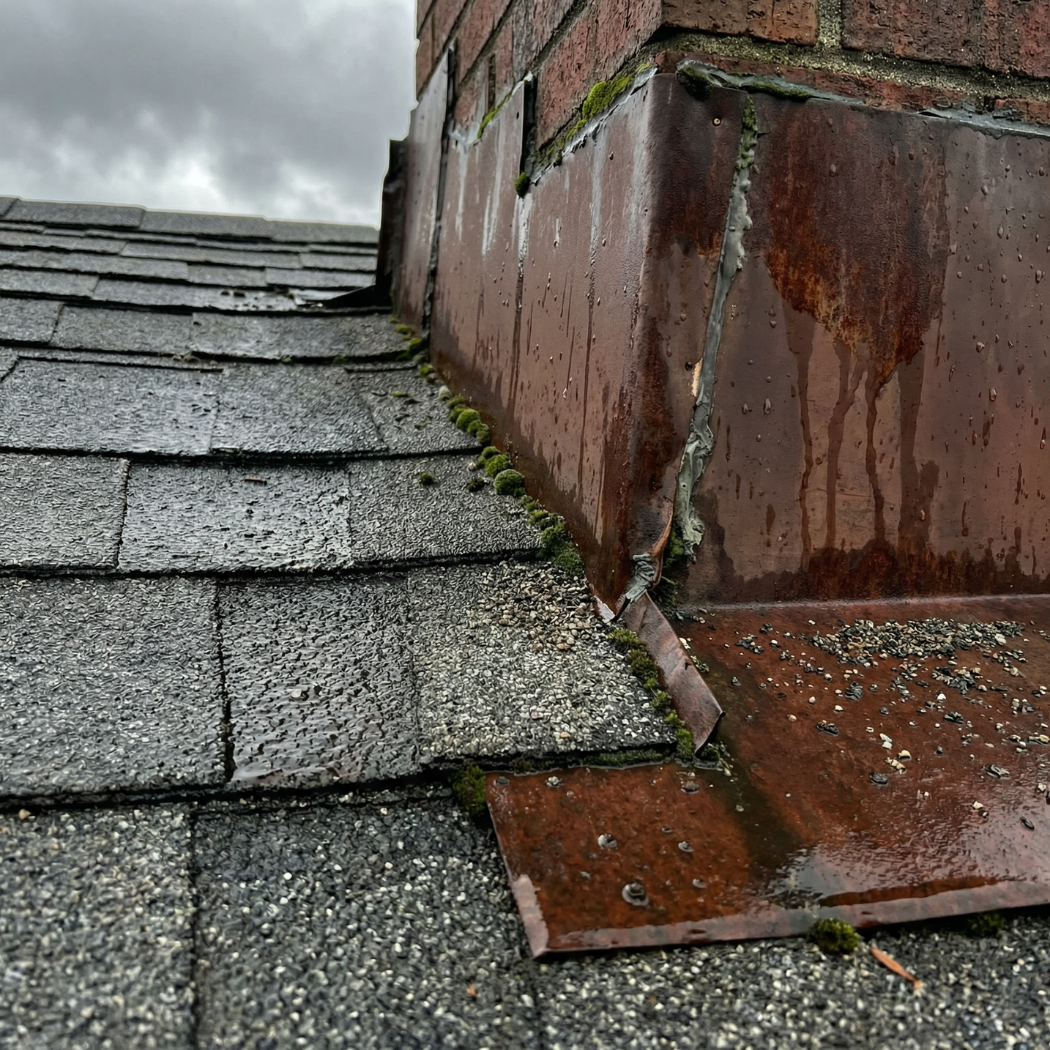
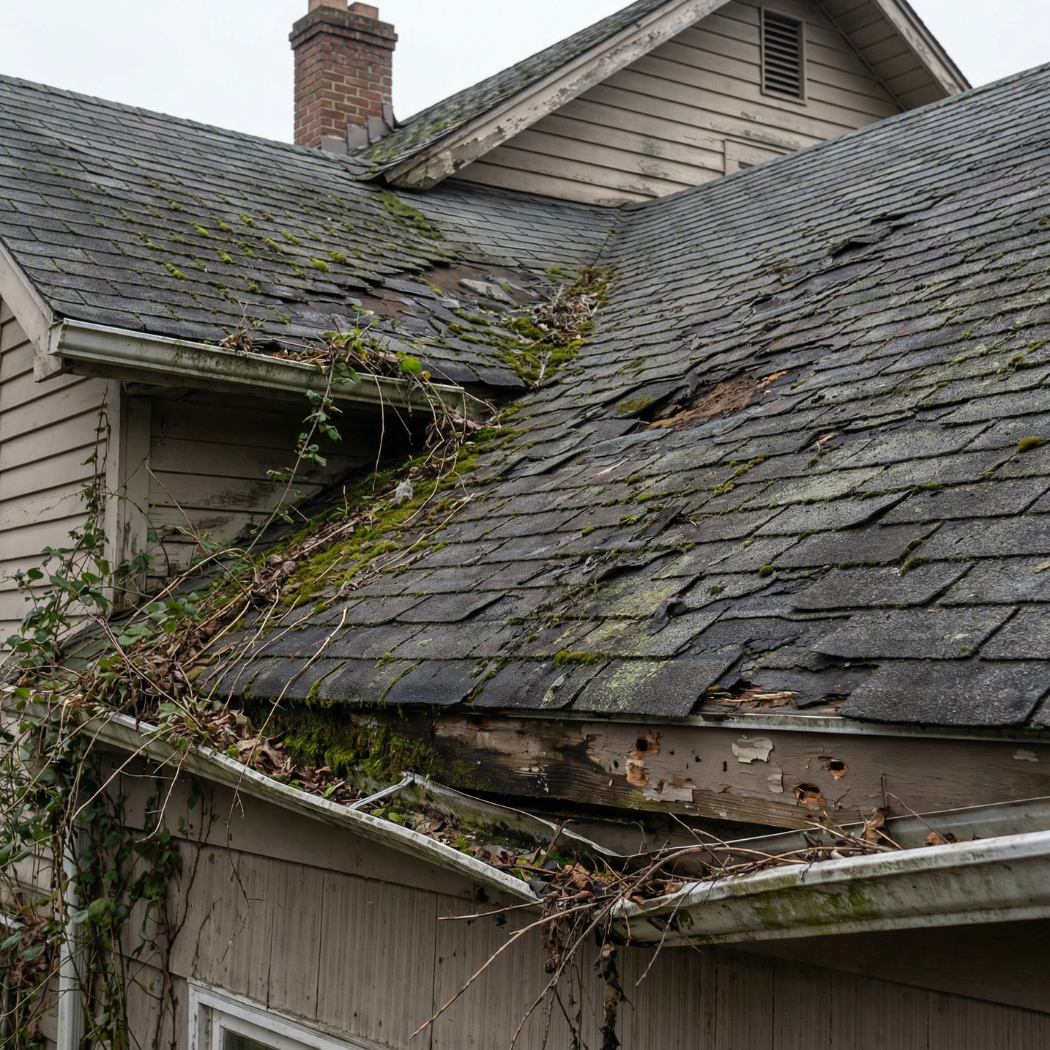
Spring hail often causes damage that is invisible from the ground. Bruised shingles, cracked flashing, dented vents, and compromised underlayment all require close inspection. A roofer documents every issue with photos, measurements, and detailed notes.
This documentation becomes your evidence when negotiating with the insurance company.
Reason 3: Your Roofer Can Meet the Adjuster
When your roofer is present during the adjuster’s inspection, the outcomes improve significantly. The roofer can point out damage the adjuster might miss and explain why specific repairs are necessary.
Real example: A Republic family had their adjuster’s initial estimate at $8,400. When Roov met with the adjuster for a second inspection, we identified additional damage to the ridge cap, pipe boots, and drip edge. The final approved claim came to $12,100.
Reason 4: Adjusters Work for Insurance Companies
This is not a criticism. It is simply reality. Insurance adjusters are trained to protect their company’s financial interests. Their goal is to settle claims for the lowest reasonable amount.
The National Roofing Contractors Association recommends having a roofing professional present during inspections because homeowners often lack the expertise to identify all storm damage or challenge inadequate assessments.
You need someone in your corner who understands roofing systems and insurance processes. That person is your roofer.
What Insurance Adjusters Actually Do
Understanding the adjuster’s role helps you prepare for the claims process. Insurance adjusters conduct inspections, assess damage, and determine settlement amounts based on their company’s guidelines.
| Adjuster Reality | What It Means for You |
|---|---|
| Limited time per inspection | They may miss hidden damage |
| Following company protocols | Their estimates use preset pricing |
| Processing many claims | Your roof is one of dozens that week |
| No roofing certification required | They may not recognize subtle damage |
| Focused on visible damage | Underlying issues often overlooked |
This is not about good or bad people. Adjusters are professionals doing their jobs within a system designed to control costs. Your job is to ensure all legitimate damage gets documented and paid for.
Pro tip: Never sign anything or accept a settlement on the spot. Always review paperwork with your roofer first.
The Correct Process: Step by Step
Follow this sequence after spring storm damage for the best results:
Step 1: Document the Storm (24 to 48 Hours)
Immediately after a storm, gather evidence:
- Note the date, time, and type of storm
- Take photos of your property from multiple angles
- Photograph any obvious damage like fallen shingles
- Check weather reports for hail size and wind speed data
This documentation establishes when the damage occurred, which matters for your claim timeline.
Step 2: Schedule a Professional Roof Inspection
Contact a reputable local roofer for a free roof inspection. Look for contractors who are licensed, insured, and certified by major manufacturers like GAF.
The roofer will inspect your entire roof system, document all damage with photos, check flashing, vents, gutters, and penetrations, look for hidden damage, and give you an honest assessment of whether to file a claim.
Pro tip: Get your inspection within a few days of the storm. Fresh damage is easier to document and attribute to a specific weather event.
Step 3: Review the Assessment and Decide
With your roofer’s report in hand, you can make an informed decision:
| Scenario | Recommended Action |
|---|---|
| Damage under deductible | Pay out of pocket |
| Damage barely over deductible | Consider paying out of pocket |
| Damage 2X or more over deductible | File insurance claim |
| Major damage requiring full replacement | File insurance claim |
| Damage with interior water intrusion | File claim immediately |
Your roofer should explain all options without pressure. If they push you to file a claim regardless of the damage level, find a different contractor.
Step 4: File Your Insurance Claim
When filing makes sense, contact your insurance company to start the claim. Have your policy number, date of storm, description of damage, roofer’s inspection report, photos, and weather data ready.
Request an in-person inspection rather than virtual or photo-based assessment.
Step 5: Schedule the Adjuster Visit with Your Roofer Present
This step is critical. Coordinate the adjuster’s inspection time so your roofing contractor can attend. Most insurance companies allow this, and reputable roofers offer this service.
During the inspection, your roofer can:
- Walk the roof with the adjuster
- Point out all documented damage
- Explain the repair scope needed
- Answer technical questions
- Ensure nothing gets overlooked
Real example: A Branson homeowner received an initial estimate of $6,200. The adjuster had missed damage to two roof slopes that faced away from the driveway. When Roov attended a re-inspection, we pointed out the additional damage. The revised estimate came to $11,800.
Step 6: Review the Settlement and Negotiate if Needed
After the adjuster’s inspection, you will receive a settlement offer. Review this with your roofer. Common issues include missing items, incorrect measurements, lower quality materials specified, and labor rates below local standards.
If the settlement seems low, your roofer can help you file a supplement request with additional documentation.
Step 7: Proceed with Repairs
Once you reach a fair settlement, schedule your roof replacement or repair. Your insurance typically pays in stages: an initial check minus your deductible, and a final payment after work completion.
Choose your contractor based on qualifications, not just because they knocked on your door after the storm. GAF Master Elite certified contractors like Roov meet the highest industry standards.
Understanding Your Insurance Payment
Insurance claims involve specific terminology that confuses many homeowners. Here is what you need to know:
RCV vs. ACV Policies
Replacement Cost Value (RCV): Pays to replace your roof with materials of similar kind and quality. This is the better coverage for homeowners.
Actual Cash Value (ACV): Pays the depreciated value of your roof based on its age. A 15 year old roof might only be valued at 50% of replacement cost.
| Policy Type | 10-Year-Old Roof | 15-Year-Old Roof | 20-Year-Old Roof |
|---|---|---|---|
| RCV | Full replacement | Full replacement | Full replacement |
| ACV | 60-70% of cost | 40-60% of cost | 20-40% of cost |
Check your policy before a storm so you know what coverage you have.
Payment Structure
Most RCV policies pay in two parts:
- Initial payment: Replacement cost minus depreciation and deductible
- Recoverable depreciation: Paid after repairs are complete
For example, on a $15,000 roof replacement with a $1,500 deductible and $3,000 depreciation:
- Initial payment: $15,000 minus $1,500 minus $3,000 = $10,500
- After completion: $3,000 recoverable depreciation
- Your out of pocket: $1,500 (deductible only)
Wind/Hail Deductibles
Many Missouri insurers now use percentage-based wind and hail deductibles instead of flat amounts. A 2% deductible on a $250,000 home means $5,000 out of pocket before coverage kicks in.
Pro tip: Review your policy now, before storm season. Know your deductible so you can make informed decisions when damage occurs.
What If Your Claim Gets Denied?
Sometimes insurance companies deny claims or offer settlements that seem unfair. You have options:
Request a Re-inspection
Ask for a second inspection with your roofer present. Provide additional documentation and photos. Many initial denials get reversed after re-inspection.
File an Appeal
Insurance companies have formal appeal processes. Include photos with dates, manufacturer specifications, local building code requirements, weather data confirming the storm, and contractor estimates from licensed professionals.
Consider a Public Adjuster
Public adjusters work for homeowners, not insurance companies. They charge 10% to 15% of the settlement. For large claims or repeated denials, this may make sense.
Document Everything
Keep records of all communications. Missouri has consumer protection laws, and documentation helps if you need to file a complaint with the Missouri Department of Insurance.
Red Flags: Storm Chasers to Avoid
After spring storms, out-of-state contractors flood Southwest Missouri. Many are legitimate, but some use high-pressure tactics that put homeowners at risk.
| Red Flag | Why It Matters |
|---|---|
| Demands large deposit upfront | Legitimate contractors bill after work |
| Offers to waive your deductible | Violates Missouri law (2012) |
| Pressures you to sign immediately | Good contractors give you time to decide |
| Cannot show local license/insurance | No protection if something goes wrong |
| Knocks on door unsolicited | Reputable companies rely on reputation |
Roov is based in Nixa and has served Southwest Missouri for years. We build relationships, not quick transactions.
Spring Storm Preparation Checklist
Prepare before storm season hits to protect your home and simplify the claims process.
Before Spring Storms Arrive:
- Review your insurance policy and know your deductibles
- Check if you have RCV or ACV coverage
- Take dated photos of your roof in good condition
- Document your roof’s age and last replacement date
- Save a trusted local roofer’s contact information
- Know where to find weather alerts on your phone
- Clear gutters and downspouts of winter debris
Immediately After a Storm:
- Stay safe and wait for severe weather to pass completely
- Document the storm date, time, and conditions
- Take photos of your property from multiple angles
- Note any obvious damage like fallen shingles or dented gutters
- Call your roofer first for a professional inspection
- Do not climb on your roof yourself
While Waiting for Inspection:
- Collect weather reports showing hail size and wind speeds
- Talk to neighbors about damage they experienced
- Make temporary repairs only if needed to prevent water intrusion
- Document any emergency repairs with photos and receipts
- Do not sign any contracts from door knockers
- Wait for professional advice before calling insurance
FAQs About Spring Storm Damage Claims
Should I let my insurance company choose my roofer? No. You have the right to choose your own contractor. Insurance-recommended contractors may prioritize the insurer’s interests.
How long do I have to file a claim in Missouri? Missouri has no statewide deadline, but individual policies vary from 30 days to 2 years. Check your policy and act promptly.
Will filing a claim raise my rates? Hail and wind claims are acts of nature. They typically do not affect rates like at-fault claims. However, multiple claims in a short period could impact your policy.
Can I do a temporary repair before the adjuster comes? Yes. Prevent further damage with tarps or temporary patches. Document the damage first, keep receipts, and insurance should reimburse reasonable emergency repairs.
What if the damage is less than my deductible? Pay for repairs out of pocket and avoid adding a claim to your record.
What is a supplement claim? When your roofer discovers additional damage during repairs, they file a supplemental claim for extra work. This is normal and common.
What size hail causes roof damage? Quarter-sized hail (1 inch diameter) is the industry threshold for potential damage. Golf ball sized hail (1.75 inches) typically causes significant damage requiring replacement.
How much does a roof inspection cost? Reputable roofing companies like Roov offer free inspections after storms. Be cautious of contractors who charge inspection fees upfront.
Can hail damage get worse over time? Yes. Small cracks expand with freeze-thaw cycles, and granule loss accelerates UV damage. Minor spring storm damage can become major leaks within a few years if left unaddressed.
How do I know if my contractor is legitimate? Verify licensing with the Missouri Attorney General’s office, check insurance certificates, look for manufacturer certifications like GAF Master Elite, and read online reviews from local customers.
Key Takeaways
- Call your roofer first after spring storm damage, before contacting insurance
- Get professional documentation of all damage before filing a claim
- Have your roofer present when the insurance adjuster inspects
- Understand the 2X rule: Only file if damage exceeds twice your deductible
- Know your policy including deductibles and coverage type before storm season
- Avoid storm chasers and choose established local contractors
- Stay involved in your claim process and review all settlements with your roofer
Protect Your Home This Spring
Spring storms are coming. When they damage your roof, the steps you take in the first 48 hours shape your entire claim experience. Calling the right professional first puts you in the strongest position.
Roov provides free, no-pressure roof inspections throughout Southwest Missouri. Our GAF Master Elite certified team documents every detail and helps you navigate the insurance process. We can meet with your adjuster to ensure all damage gets properly assessed.
Ready to get your roof inspected?
Call: 417-370-1259
Email: [email protected]
Visit: roovmo.com
We serve Springfield, Nixa, Ozark, Branson, Republic, Battlefield, and all surrounding communities.
Roov | Roofing with a Purpose | Serving Southwest Missouri