
Spring Storm Season in Missouri: Your Roof Preparation Checklist
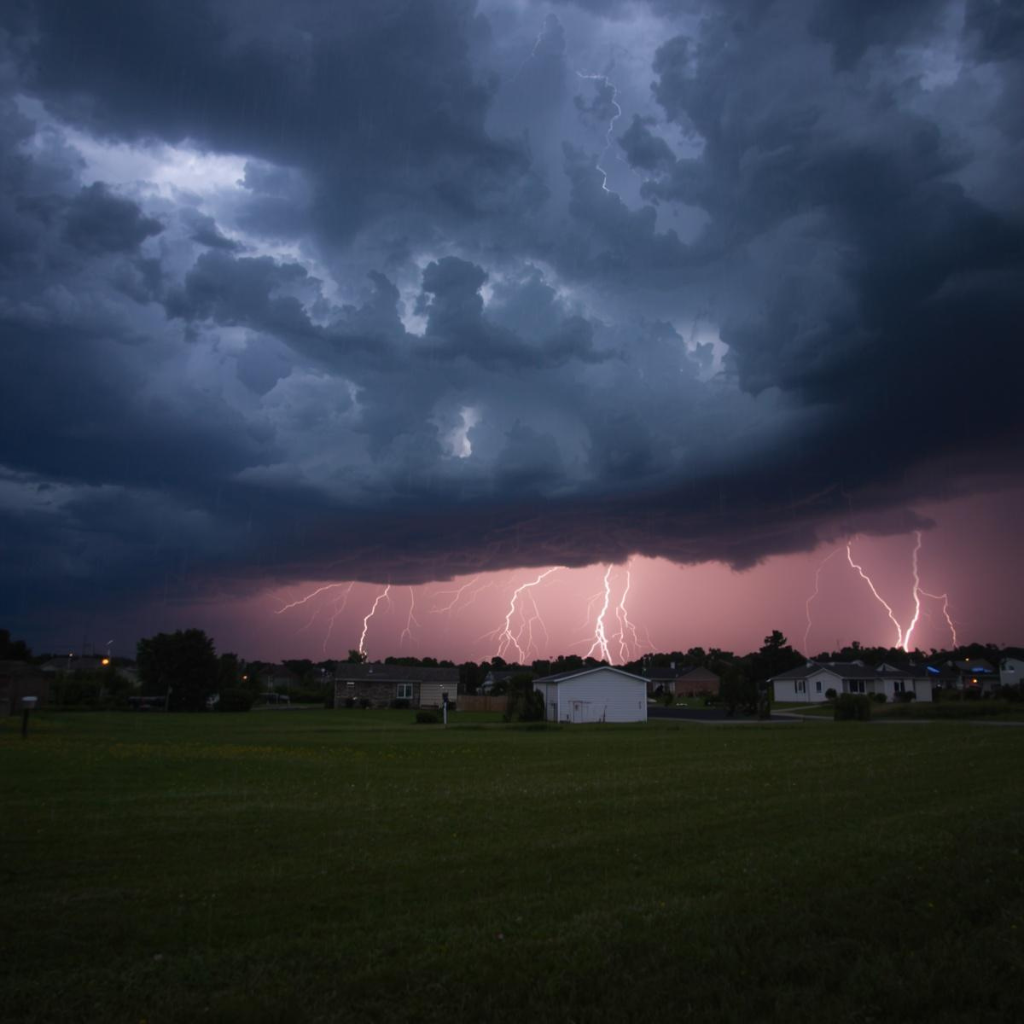
Missouri’s peak storm season starts in April, and Southwest Missouri gets hit harder than most of the state. Hail, straight-line winds, and tornadoes are not rare events here. They are annual certainties. The Springfield area alone had 137 Doppler-confirmed hail events and 66 severe weather warnings in the past 12 months. This guide gives you two things most homeowners need but do not have: a step-by-step checklist to prepare your roof before the first storm arrives, and a clear action plan for what to do in the 48 hours after one hits.
TLDR: April is the peak month for both tornadoes and hail in Southwest Missouri. Start your storm prep four to six weeks before peak season. Get a professional inspection, document your roof’s condition with photos, and know exactly what to do if a storm causes damage. The homeowners who prepare before the storm are the ones who get fair insurance settlements after it.
You watched the news last May. You saw the damage reports. Maybe you drove past homes with blue tarps on the roof for weeks. And you thought: that could have been my house.
It could be. Missouri has experienced 120 billion-dollar weather and climate disaster events since 1980. Eighty-two of those were severe storms. In 2025, Missouri homeowners filed over 173,000 storm damage insurance claims, with payouts approaching $1.6 billion as of mid-year and projections exceeding $2 billion for the full year. The Springfield corridor was one of the hardest-hit areas.
The good news is that storm damage does not have to catch you off guard. The homeowners who come through storm season with the least stress and the best insurance outcomes are the ones who prepare before the hail falls.
Here is exactly how to do that.
Why Southwest Missouri Is Especially Exposed
This is not about general Missouri weather. The severe weather climatology for Springfield Missouri tracks data specifically for our region, and the numbers are striking.
April is the single most dangerous month for Southwest Missouri. It is the peak month for both tornadoes and hail in the Springfield forecast area. June is the peak month for damaging wind events. The primary severe weather season runs April through June, with a secondary season from September through November.
Missouri averages approximately 35 tornadoes per year, and the majority of them occur between March and June. Hail as large as 4 inches in diameter struck Webster County in May 2024, causing widespread roof damage across the metro area. Quarter-size hail has been confirmed multiple times in Greene County in recent years.
Real example: A family in Forsyth had their roof inspected by Roov in early March 2025. The inspector found three areas of compromised flashing and a section of ridge cap that had lifted during winter winds. They repaired both before a major hail event hit Taney County six weeks later. Their roof held. Their neighbor’s did not.
Pro tip: Do not wait until you hear tornado sirens to think about your roof. The time to prepare is late February through early March, four to six weeks before peak season begins.
Before the Storm: Your 8-Step Preparation Checklist
1. Schedule a Professional Roof Inspection
This is the single most important step. A professional inspection catches what you cannot see from the ground: lifted shingles, cracked flashing, soft spots from prior water intrusion, and worn seals around penetrations. A roof that looks fine from the driveway may have a dozen vulnerabilities that will fail under the first major storm.
A Roov storm damage roof inspection covers shingles, flashing around chimneys and vents, gutters and downspouts, attic ventilation, ridge cap condition, and drip edge integrity. It is free, no-pressure, and gives you a detailed written Roof Condition Report.
Pro tip: If your roof is 15 years old or more, a pre-storm inspection is not optional. Aging materials are more vulnerable to hail and wind damage, and knowing your roof’s condition before storm season helps you make informed decisions about repair or replacement if damage occurs.
2. Do a Ground-Level Visual Check
You can do a meaningful inspection without climbing on the roof. Use binoculars and look for areas where shingle color looks uneven or patchy (prior granule loss), shingles that appear lifted or curling at the edges, dark spots or circular patterns from prior hail impacts, missing shingles or exposed underlayment, and ridge cap that appears lifted or separated.
Pro tip: Walk all four sides of your home. Many homeowners only look at the front. Storm damage often concentrates on the side facing the prevailing wind direction, which in Southwest Missouri is typically the west and southwest slopes.
3. Clean Gutters and Downspouts
Clogged gutters during a Missouri thunderstorm cause water to back up and push under shingle edges. They also create overflow that erodes foundation soil. Remove leaves, twigs, and debris. Flush downspouts to confirm they flow freely. Check that all hangers are secure because wind can tear loose gutters off fascia. Confirm downspouts direct water at least 6 feet from the foundation.
Pro tip: Gutters are your roof’s drainage system. If they are clogged when a storm dumps two inches of rain in 30 minutes, that water has nowhere to go except under your shingles and into your home.
4. Trim Overhanging Branches
Tree limbs that overhang the roof are a direct threat in any wind event above 40 mph. Remove dead or weak limbs that could snap. Trim back any branch within 10 feet of the roof surface. Pay extra attention to limbs over the ridge line, skylights, and pipe penetrations.
5. Check Flashing and Seals
Flashing is the most common source of post-storm leaks. Pre-storm is the time to identify and repair any open joints, cracked caulk, or lifted edge metal. Key areas include chimney flashing, pipe boot seals, skylight perimeters, attic vent flanges, and roof-to-wall intersections on dormers and additions.
Pro tip: Flashing failures cause more post-storm leaks than missing shingles do. A $200 flashing repair before storm season can prevent thousands in water damage after a storm.
6. Secure Rooftop Items
Any unsecured item on the roof becomes a projectile in high wind. Confirm HVAC units are secured to their curbs. Check satellite dish and antenna mounts. Remove loose debris from flat roof sections. Make sure condensation lines and electrical conduits are anchored, not just resting on the surface.
7. Know Your Roof’s Age and Condition
If your roof is already showing wear and a major storm hits, you need to know whether you are dealing with a repair or a full replacement. Understanding your roof’s condition before storm season helps you make faster, better decisions after damage occurs. A Roov Roof Condition Report gives you exactly this information, free of charge.
8. Document Your Roof Before Storm Season
This step protects your insurance claim. Walk the perimeter and photograph all four sides of your roof. Photograph the attic interior. Enable date and time stamps on every photo.
Why this matters: if a storm damages your roof, these photos prove your roof’s pre-storm condition. This protects you against insurance adjusters who argue the damage was pre-existing. These photos can make or break a claim.
Pro tip: Store your pre-storm photos in cloud storage, not just on your phone. If a storm damages your phone too, you need those photos accessible from another device.
After a Storm: What to Do in the First 48 Hours
Step 1: Stay Safe
Do not get on the roof during or immediately after a storm. Federal severe weather safety guidelines apply here: wait for the weather to fully clear. Check for downed power lines before walking the perimeter. If there is active water intrusion near electrical wiring, turn off power in that zone before investigating.
Step 2: Check Inside First
Before going outside, walk through your home. Check the attic for new water stains, wet insulation, or active dripping. Look at ceilings for water spots, bubbling paint, or sagging drywall. Check window sills and wall junctions for water staining. Note any new sounds like dripping or creaking.
Step 3: Walk the Exterior
Do a systematic walk around the home and look for these indicators from the ground.
| What to Check | What It Tells You |
|---|---|
| Missing shingles or exposed underlayment | Direct storm damage to roofing surface |
| Granules in gutters and at downspout exits | Hail impact has stripped protective coating |
| Dented gutters, downspouts, or HVAC units | If metal is dented, your roof was hit too |
| Dark circular spots on shingle surfaces | Hail bruising on asphalt shingles |
| Lifted or curling shingles along edges | Wind damage or adhesive seal failure |
| Window screens with impact marks | Confirms hail hit your property |
Pro tip: Dented gutters are one of the most reliable indicators of roof hail damage. If your gutters are dented, your roof almost certainly took hits too, even if you cannot see them from the ground.
Real example: A homeowner in Hollister noticed small dents on their aluminum gutters after a spring storm but saw no obvious damage on the roof. A Roov inspection found 14 hail impacts per test square on the west slope. The insurance claim was approved for a full replacement. Without the gutter observation, they might never have called.
Step 4: Document Everything
This is critical for insurance claims. Take wide shots of each side of the roof from all four corners. Photograph granules in gutters with a coin for scale. Photograph dented gutters, vents, and HVAC equipment. Take interior photos of any water stains with date stamps enabled. Write down the storm date, time, and estimated hail size. Check local radar apps or Weather.gov for official storm confirmation timestamps.
Step 5: Protect Against Further Damage
If there is visible damage exposing the decking, water intrusion will follow. Temporary tarping stops further interior damage while a full assessment happens. Roov provides emergency roof repair and tarping services across Southwest Missouri. Do not attempt to climb a damaged roof yourself. Contact a professional.
Step 6: Call Your Roofer Before You Call Insurance
A professional inspection gives you documented evidence that carries weight with adjusters. Getting a damage assessment before filing your claim protects you from adjusters who try to minimize the payout. Roov’s team is experienced with insurance claims and can guide you through the entire process.
Pro tip: Filing a claim without documentation puts you at a disadvantage from the start. A detailed Roof Condition Report from a qualified contractor gives you independent evidence of exactly what the storm did.
The Storm Chaser Warning: What Every Missouri Homeowner Needs to Know
After every major hail event in the Springfield area, out-of-town roofing crews show up within 24 to 72 hours. They go door to door, offering free inspections and quick repairs. They are called storm chasers, and they are a problem.
Missouri does not require a statewide roofing license. That makes it easy for unqualified out-of-state crews to operate here. They collect payment, do substandard work, and leave before the problems surface. When something fails six months later, the company phone number is disconnected.
Here are seven red flags that the person at your door is a storm chaser.
| Red Flag | Why It Matters |
|---|---|
| Knocked on your door within 72 hours of a storm | Legitimate contractors do not cold-canvass after storms |
| Cannot provide a local physical address | PO boxes and hotel addresses are not permanent |
| Offers to “cover your deductible” | This is insurance fraud in Missouri |
| Pressures you to sign before inspection is done | Honest contractors never rush a decision |
| Asks for large upfront payment | Reputable companies do not demand cash before materials arrive |
| Out-of-state license plates on vehicles | They followed the storm here and will leave when the next one hits |
| No verifiable local Google reviews | Real companies have real reviews from real local homeowners |
Out-of-state license plates on vehicles
They followed the storm here and will leave when the next one hits
No verifiable local Google reviews
Real companies have real reviews from real local homeowners
Real example: A homeowner in Clever signed a contract with a door-knocker two days after a 2024 hail storm. The crew installed new shingles in a single day and left. Within eight months, multiple seams had failed and water was leaking into the master bedroom. The company’s phone was disconnected. A Roov inspection found the shingles had been improperly nailed and no ice and water shield had been installed in the valleys. The homeowner had to pay for a second roof.
Pro tip: Ask any contractor who shows up after a storm two questions: “Can I have a written inspection report before I sign anything?” and “Do you have a local physical office I can visit?” An honest contractor answers both without hesitation.
Real example: A couple in Sparta was approached by three different roofing companies within 48 hours of a spring hail storm. All three had out-of-state plates. They called Roov instead. Roov documented the damage, met the adjuster on the roof, and the claim was approved for a full replacement. The couple paid only their deductible.
Pro tip: Roov is based in Nixa. We have a physical office, a real phone number, GAF Master Elite certification, and reviews from homeowners across Southwest Missouri. After a storm, we are not going anywhere.
Frequently Asked Questions
Q: When does storm season start in Southwest Missouri?
The primary severe weather season runs April through June, with April being the peak month for both tornadoes and hail in the Springfield forecast area. A secondary season runs September through November. Start your roof preparation in late February or early March to be ready before the first major events.
Q: How do I know if my roof has hail damage?
The most reliable ground-level indicators are granules collecting in your gutters and at downspout exits, dents on gutters and metal HVAC equipment, and dark circular marks on shingle surfaces. If you see any of these signs after a storm, call a professional for a full inspection. Many hail impacts are not visible from the ground.
Q: Should I call my insurance company or a roofer first after a storm?
Call a roofer first. A professional inspection creates documented evidence before the adjuster forms their own assessment. Filing a claim without documentation puts you at a disadvantage. Roov’s storm inspections are free, and we can meet your adjuster on the roof to make sure nothing gets missed.
Q: How long do I have to file a roof damage insurance claim in Missouri?
Most Missouri policies require prompt notice of damage, typically within 30 to 60 days, and a formal claim within 12 months of the storm event. Waiting weakens your claim because it becomes harder to tie the damage to a specific storm. Act quickly and document everything.
Q: What does a pre-storm roof inspection cost?
Roov’s inspections are completely free. You get a certified inspector on your roof, a full written Roof Condition Report with photos, and an honest assessment of your roof’s condition. No charge, no pressure, no obligation.
Q: Is it safe to go on my roof after a storm to check for damage?
No. Storm-damaged roofs can have weakened decking, loose materials, and hidden hazards. Use binoculars from the ground to do your initial assessment, and call a professional for the on-roof inspection. Safety comes first.
Q: How can I tell if a roofing contractor is a storm chaser?
The biggest red flags are no local physical address, door-knocking within days of a storm, out-of-state plates, pressure to sign immediately, and offers to cover your deductible. Ask for a local office address, verifiable Google reviews, and a written report before signing anything.
Q: Does Roov help with insurance claims after storm damage?
Yes. Roov documents storm damage, prepares detailed reports with photos, meets your insurance adjuster on the roof, and reviews the estimate to make sure all damage is accounted for. Most homeowners pay only their deductible when we handle the process from the start.
Key Takeaways
April is peak storm month for Southwest Missouri. The billion-dollar weather disasters in Missouri total 120 major events since 1980, with 82 of those being severe storms. This region is in the crosshairs every spring.
Start your prep four to six weeks before peak season. That means late February to early March. Schedule an inspection, clean gutters, trim branches, check flashing, and document your roof with photos.
After a storm, document before you file. Photos with date stamps, granule evidence, dented metal, and interior water damage documentation all strengthen your insurance claim. Call a roofer before you call insurance.
Storm chasers follow the hail. They show up fast, work cheap, and leave before the problems surface. Protect yourself by choosing a local contractor with a permanent address, verifiable reviews, and manufacturer certifications.
Your pre-storm photos are your insurance safety net. Documenting your roof’s condition before damage occurs protects you against claims of pre-existing damage. This single step can save you thousands.
A free spring roof maintenance inspection gives you peace of mind. Knowing your roof’s condition before storm season means you are never guessing after a storm hits.
Ready to Get Your Roof Storm-Ready?
Storm season is coming. The question is not whether Southwest Missouri will get hit. The question is whether your roof is ready when it does.
Roov is Southwest Missouri’s trusted roofing partner. We bring “Roofing with a Purpose” to every job. That means honest answers, quality materials, and a team that treats your home like our own. We are GAF Master Elite certified, CertainTeed ShingleMaster certified, and Owens Corning Preferred Contractor.
Here is what we offer:
- Free, no-pressure Roof Condition Reports
- Expert assistance with insurance claims
- Emergency tarping and storm damage repair
- Local crews who live and work in your community
Ready to get started? Contact us today:
Call: 417-370-1259
Email: [email protected]
We serve Forsyth, Hollister, Clever, Sparta, and all surrounding Southwest Missouri communities. Schedule your free pre-storm inspection today. Let’s make sure your roof is ready before the first hail falls.
Roov | Roofing with a Purpose | Serving Southwest Missouri