
How to Ensure Proper Attic Ventilation and Insulation for Your Missouri Home This Summer
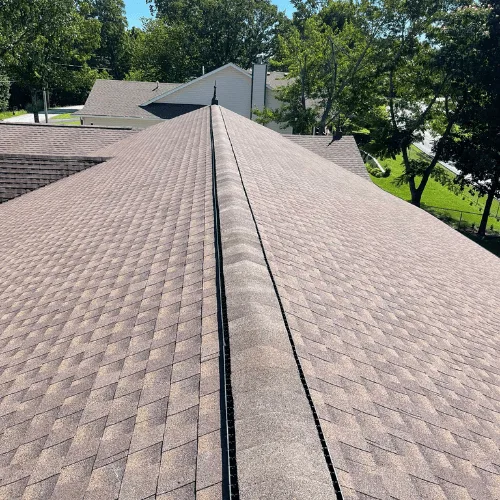
The key to a cooler, more efficient Missouri home this summer is ensuring your attic has proper ventilation and insulation.
Why Is Attic Ventilation and Insulation Important in Missouri?
Attic ventilation and insulation play crucial roles in maintaining indoor comfort and energy efficiency. In Missouri, where summer temperatures can climb above 90°F (NOAA Climate Data), these elements become even more critical to prevent your home from becoming unbearably hot. Proper attic ventilation helps manage attic temperatures, which can soar to 130°F or more on warm, sunny days, reducing the burden on your air conditioning system.
Attic insulation serves to keep your living spaces cooler by minimizing heat transfer from the attic into your home. According to the U.S. Department of Energy, appropriate insulation can reduce your home energy bills by up to 15%. Without adequate ventilation and insulation, homeowners in Springfield or Nixa may find their electricity bills skyrocketing during the peak summer months as air conditioners work overtime to combat the heat.
How Does Proper Attic Ventilation Work?
Attic ventilation involves moving air through the attic space to help control temperature and moisture levels. It is typically achieved through a system of intake and exhaust vents. Here’s how it works:
- Gable Vents: Two gable vents on opposing sides create a negative pressure, pulling air through the attic space and cooling it to better temperatures.
- Intake and Exhaust:
- Intake Vents: These are positioned along the eaves of the roof, allowing fresh, cooler air to enter the attic.
- Exhaust Vents: Located near the peak of the roof, these vents allow hot air to escape from the attic.
By facilitating this airflow, attic ventilation helps keep indoor temperatures down and reduces moisture buildup, which could otherwise lead to mold growth and damage to roofing materials such as shingles and wood decking.
How to Ensure Your attic is Properly Ventilated and Insulated
Step 1: Reach out to us for a Ventilation Calculation
We use industry-leading tools to calculate the exact amount of intake and exhaust you should have.
Step 2: Inspect Your Attic’s Ventilation System
Before you make any changes, check the current state of your attic ventilation system. Here’s how:
- Locate Your Vents: Identify all vent placements. Look for both intake (soffit vents) and exhaust (ridge or gable vents) to ensure there’s a balance between them.
- Check for Blockages: Ensure vents are not obstructed by insulation, bird nests, or debris.
- Observe for Signs of Poor Ventilation: Indications such as excessive heat, moisture, or noticeable damage might point to inadequate ventilation.
Step 3: Check Your Insulation Levels
Proper insulation is essential for maintaining energy efficiency. Assess the following:
- Measure Insulation Depth: Use a ruler to measure the depth of your insulation in various spots. The recommended level for attics in Missouri is R-38 to R-60 (U.S. Department of Energy).
- Inspect for Gaps or Compression: Address any areas where insulation is missing or compressed, as these can significantly reduce its effectiveness.
- Consider Insulation Type: Fiberglass, cellulose, and spray foam are options; they vary in cost and efficiency. Choose according to your budget and insulation needs.
Step 4: Enhance Your Systems if Needed
If your inspection reveals deficiencies:
- Install Roof Vents: If required, add more vents to ensure adequate airflow. Roof vents are crucial in cities like Ozark, where high temperatures are common.
- Improve Insulation: Add more insulation or replace existing materials with higher-efficiency options.
- Sealing and Weatherstripping: Ensure that gaps and cracks that allow air exchange with the outside are sealed effectively, especially around fixtures and access hatches.
What Are the Benefits of Proper Attic Ventilation and Insulation?
The benefits are numerous and particularly vital for Missouri residents dealing with hot summers:
- Increased Comfort: By stabilizing your home’s interior temperature, you and your family can enjoy a cooler environment.
- Energy Savings: Proper attic ventilation and insulation reduce the strain on your HVAC system, which can lead to a significant decrease in energy bills. Homeowners in Christian County, for instance, often benefit from lower utility costs by ensuring their attics are appropriately insulated.
- Roof Longevity: Ventilation reduces moisture and temperature extremes in your attic, helping preserve roof shingles and preventing ice dam formation in winter.
- Improved Indoor Air Quality: Removing excess moisture prevents the growth of mold and mildew, contributing to a healthier indoor environment.
How Do Missouri’s Weather Conditions Affect Attic Ventilation and Insulation Needs?
Missouri’s weather, characterized by hot, humid summers and cold winters, significantly impacts attic ventilation and insulation requirements. The state experiences varying climates, with Springfield and the surrounding counties often encountering intense heat that necessitates efficient attic systems to keep homes comfortable.
In the summer months, high humidity may exacerbate the effects of poor ventilation, increasing the risk of wood rot and mold if ventilation systems are inadequate. Meanwhile, during the colder months, condensation buildup due to inadequate insulation and ventilation can lead to frost, damaging your attic and roof structures.
What Can You Expect from an Attic Inspection?
An attic inspection can offer valuable insights into current ventilation and insulation effectiveness. Here’s what typically happens during one:
- Visual Assessment: A professional will check for visible damages, moisture signs, or ventilation blockages.
- Insulation Measurement: The depth and quality of your insulation are assessed to determine if they meet recommended standards.
- Testing Airflow: Some inspectors might use tools like infrared cameras to test for air leaks or ineffective insulation areas.
- Report and Recommendations: You’ll receive a detailed report on the condition of your attic with suggestions for improvements if necessary.
Hiring professionals for this job can be especially beneficial for residents in Missouri cities like Nixa and Ozark, where specific humidity challenges might require tailored solutions.
FAQs
How do I know if my attic is properly ventilated?
Signs of poor attic ventilation include mold growth, wood rot, high indoor temperatures, and increased energy bills. Regular inspections can help identify ventilation issues early.
What is the recommended insulation level for Missouri?
The U.S. Department of Energy recommends an R-value of R-38 to R-60 for attics in Missouri. This level is adequate for handling both the summer heat and winter cold.
Can poor attic insulation affect my roof’s lifespan?
Yes, poor insulation can lead to excessive heat buildup in summer, damaging shingles and increasing the risk of ice dams in winter, which can all shorten your roof’s lifespan.
Why is moisture control crucial in attic spaces?
Excess moisture can lead to mold and mildew growth, destroy insulation, and trigger structural damage to your home’s roofing system. Proper ventilation helps mitigate these risks.
If you’re uncertain about the state of your attic or its impact on your home, consider scheduling a free inspection with us. roof inspections Our experts are ready to provide honest, straightforward advice tailored to the unique climate challenges of Missouri, ensuring your home in Springfield, Nixa, or any other region stays comfortable year-round.