
Historic Home Roofing: Matching Materials & Meeting Codes
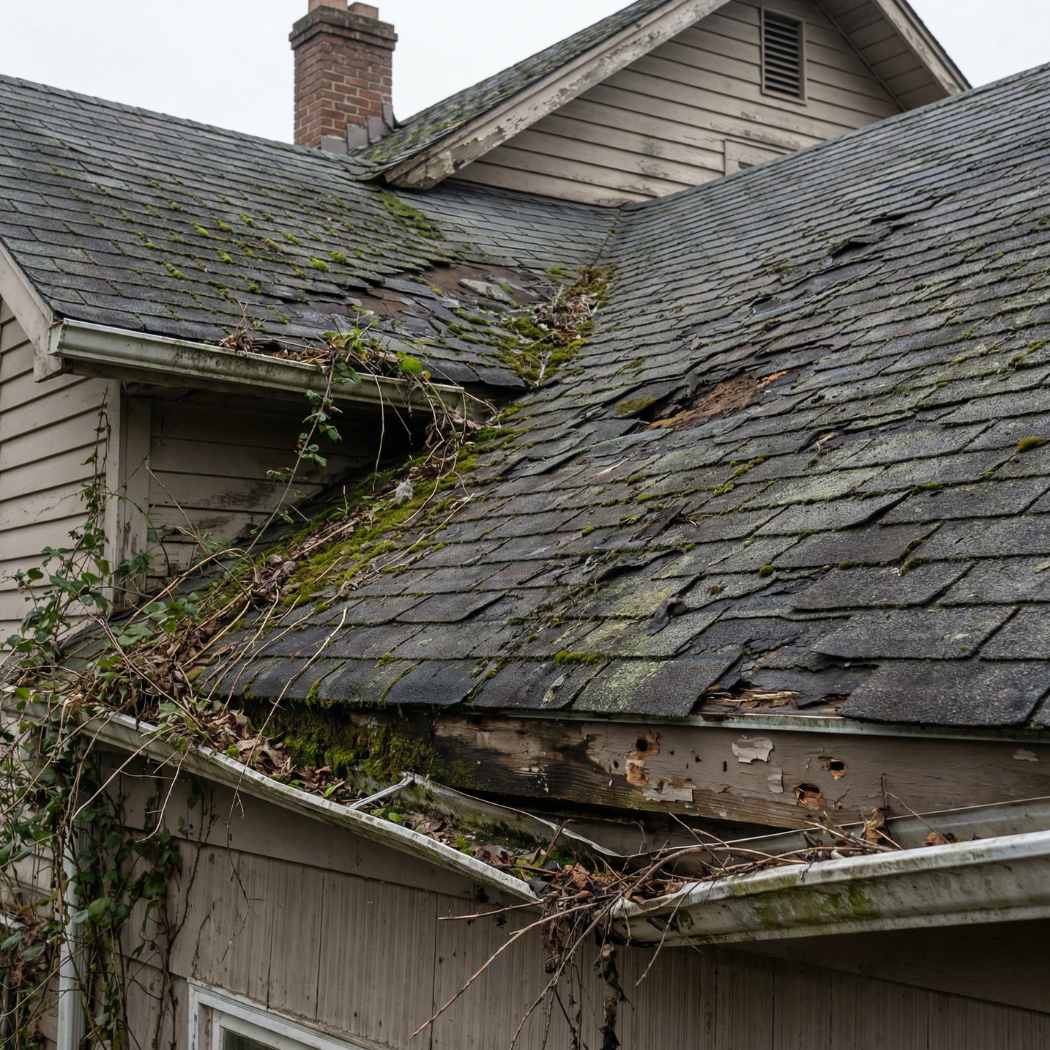
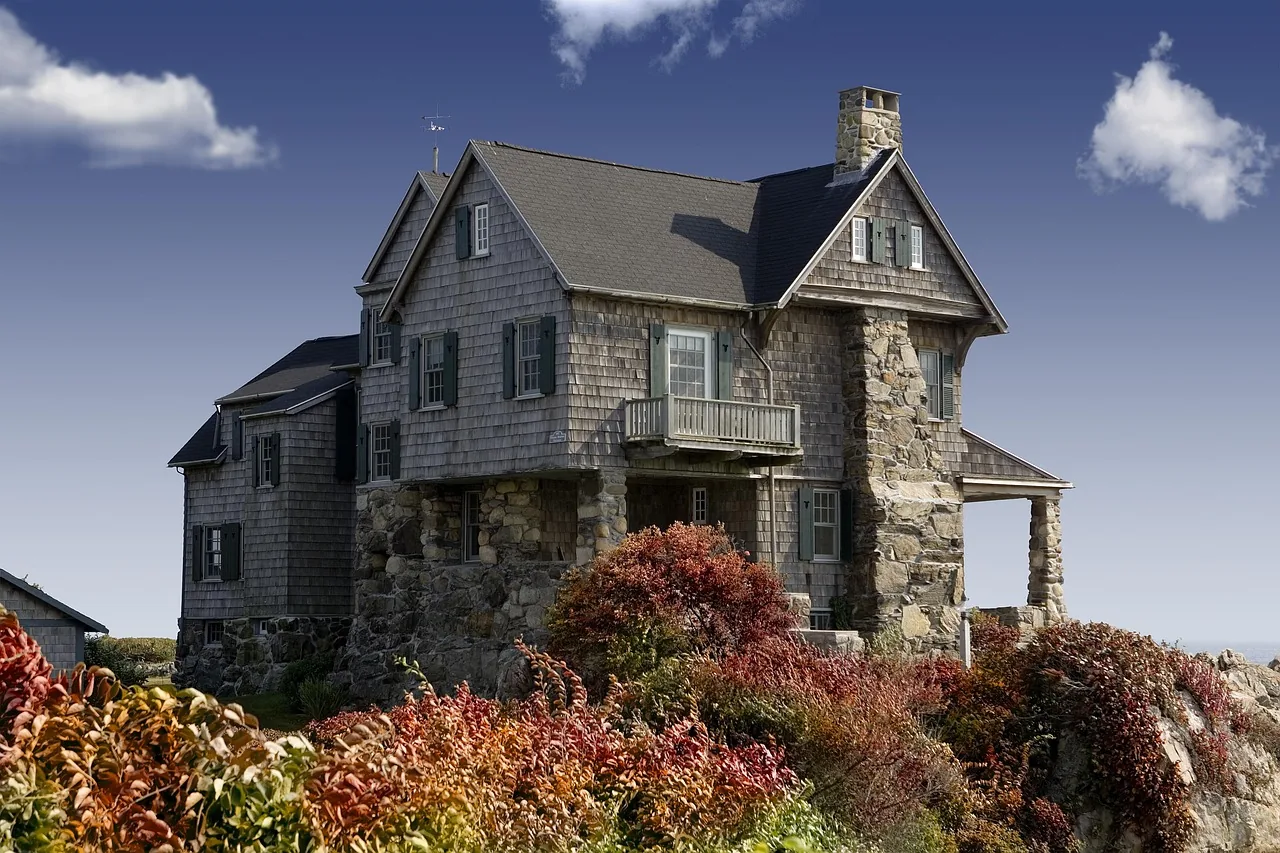
You own a piece of Southwest Missouri history. Whether it’s a Victorian in Springfield or a craftsman bungalow in Nixa, your older home has character that newer builds just can’t touch. But when it comes time to replace the roof, things get complicated fast. What materials are allowed? Do you need special approvals? What’s the best modern option that still looks right?
This guide gives you clear, practical answers. By the end, you’ll know how to match your historic home’s roofing materials, which codes and commissions you may need to work with, and how Roov can help you get it done right.
TLDR: Historic homes in Southwest Missouri often require matching original roofing materials or using approved modern alternatives. Local preservation commissions may need to sign off before work begins. Synthetic options like composite slate or shake can match the look of original materials while meeting modern code. Read on to learn exactly how the process works and how to avoid costly mistakes.
Owning a historic home means protecting what makes it special. The roof is the crown of your property. Change it wrong, and you can lose charm, value, and even historic designation. Change it right, and your home looks and performs better than ever.
Many homeowners in Springfield and Ozark don’t realize that older homes come with a unique set of rules for roofing. These aren’t just building codes. They include design guidelines, commission reviews, and material restrictions. Skip a step, and you could face fines or be forced to redo the work.
The good news? With the right information and the right contractor, the process doesn’t have to be stressful. Let’s walk through everything you need to know.
Why Historic Homes Need Special Roofing Consideration
Historic homes are different from standard builds, and not just because of their age. Their roofs were often constructed with materials and techniques that simply don’t exist in modern construction anymore. That matters for a few big reasons.
Three fast facts about historic home roofing:
- Most homes built before 1920 had wood-shingled roofs, often covered over multiple times with newer materials
- Slate, clay tile, and standing seam metal are among the most durable historic materials, some lasting well over 100 years
- Removing original historic roofing material can actually lower your home’s appraised value and affect eligibility for tax credits
Historic homes also tend to have unique structural considerations. Older framing, skip sheathing (boards with gaps instead of solid decking), and minimal roof decking are common. A contractor who doesn’t know what to look for can miss these issues entirely, creating bigger problems down the road.
Real example: A homeowner in Marshfield purchases a 1910 craftsman bungalow. During a routine roof inspection, the contractor discovers the home still has its original skip sheathing and that a previous re-roof added weight beyond what the framing was designed to handle. Catching this early saves thousands in structural repair costs.
Important: Before any roofing project on a home built before 1980, always test for asbestos. Many materials installed before that period contain asbestos and require special handling and disposal. This is non-negotiable and not optional.
Know Your Home’s Architectural Style
The first step in any historic roof project is understanding what style of home you own. Each architectural period came with its own roofing materials and design details. Putting the wrong material on the wrong style home looks out of place and can trigger preservation commission concerns.
| Architectural Style | Time Period | Original Roofing Material | Notes |
|---|---|---|---|
| Colonial / Early American | Pre-1800 | Wood shingles (white cedar, oak) | Wide variation by region |
| Victorian | 1860-1900 | Slate, decorative wood shingles | Features turrets, dormers, ornate trim |
| Spanish Revival | 1880-1930 | Clay tile (reddish, curved) | Characteristic of Spanish design influence |
| Craftsman / Bungalow | 1900-1940 | Wood shakes, asphalt (post-1915) | Simpler lines, wide overhangs |
| French / Colonial Revival | 1910-1940 | Steep slope, wood shingles | Dark roof contrasts with warm exterior |
| Dutch Colonial | 1900-1940 | Slate or wood, gambrel roof | Distinctive barn-like shape with dormers |
If you’re not sure what style your home is, start with old photographs. Check city records, original blueprints, and historical archives. The Sanborn Fire Insurance Maps are one of the most reliable tools for identifying original construction materials on older homes.
Tip: Contact your local library or historical society. In Southwest Missouri, the Springfield-Greene County Library has historical records that can help identify what materials were originally used on your home.
Common Historic Roofing Materials and Modern Alternatives
Once you know your home’s style and original material, you can explore your options. In many cases, you have a choice between using original materials or selecting a high-quality modern alternative that matches the appearance.
Slate
Slate was used extensively from the 18th century onward and is one of the most durable roofing materials ever made. Slate roofs are often called “hundred-year roofs” because of how long they last. The drawback? Natural slate is extremely heavy. Older homes may not have the structural strength to support it without costly reinforcement.
Modern alternative: Synthetic slate tiles made from rubber, plastic, or advanced polymers can replicate the look and texture of natural slate at a fraction of the weight. These are also impact-resistant and often Class 4 rated, which can lower your insurance premiums.
Tip: If your historic home already has slate, do not remove it. Repair first. Removing original slate can lower your home’s value and eliminate eligibility for historic tax credits.
Wood Shingles and Cedar Shakes
Wood was the most common roofing material from the colonial era through the early 20th century. Cedar shakes provide natural beauty, excellent insulation, and a texture that is hard to replicate. However, wood roofing carries fire risk and is actually banned in some fire-prone communities across the U.S.
Modern alternative: Synthetic shakes made from composite materials like Class 4 impact-resistant polymers look nearly identical to real cedar, weigh far less (as low as 170 lbs per square compared to much heavier natural options), and carry a standalone Class A fire rating. These make excellent choices for historic homes where original wood shake approval may be difficult to obtain.
Real example: A family in Rogersville restores a 1920s craftsman bungalow. The original wood shakes are beyond repair. The preservation commission approves synthetic cedar shake in a color and profile that matches the home’s original appearance exactly. The family gets the historic look with modern fire safety and warranty protection.
Clay Tile
Clay tile has been used since the 17th century, primarily in areas with Spanish architectural influence. These roofs are heavy, long-lasting, and visually distinctive. True clay tile replacements are available but expensive. Concrete tile alternatives that mimic the appearance are widely used and often accepted by preservation commissions.
Tip: When replacing clay tile, always try to source tiles from the same manufacturer or region if your home has a historic designation. Slight color and texture differences can be grounds for commission rejection.
Metal Roofing
Standing seam metal and metal tiles were used on homes well before the 20th century, particularly on commercial buildings and some residential properties with Victorian or Craftsman influence. Metal roofing is extremely durable, energy-efficient, and fire resistant. Modern metal roofing in standing seam profiles or stone-coated steel is a strong choice for many historic homes and is often approvable under preservation guidelines.
Asphalt Shingles
Asphalt shingles weren’t widely available until after 1915. If your home predates that era, asphalt was never its original material. That said, asphalt architectural shingles are sometimes approved for historic homes as a replacement for non-original roofing if the profile and color closely match the original appearance. High-definition architectural shingles from brands like GAF, CertainTeed, and Owens Corning can do an impressive job of mimicking the look of slate or wood.
| Material | Weight | Lifespan | Fire Rating | Cost Range | Historic Approval Difficulty |
|---|---|---|---|---|---|
| Natural Slate | Very Heavy | 75-150 years | Class A | High | Low (original material) |
| Synthetic Slate | Light | 40-50 years | Class A | Moderate | Low-Moderate |
| Real Cedar Shake | Moderate | 20-30 years | Class B-C (with treatment) | Moderate-High | Moderate (varies by district) |
| Synthetic Shake | Light | 40-50 years | Class A | Moderate | Low-Moderate |
| Clay Tile | Heavy | 50-100 years | Class A | High | Low (original material) |
| Standing Seam Metal | Moderate | 40-70 years | Class A | Moderate-High | Moderate |
| Architectural Asphalt | Light | 25-40 years | Class A | Low-Moderate | Moderate-High |
Historic Preservation Codes: What Applies to Your Home
This is where most homeowners get surprised. Historic preservation rules are not just one set of codes. They come from multiple layers of authority, and each one can affect your roofing project differently.
National Level: Secretary of the Interior’s Standards
The National Park Service sets the national framework through the Secretary of the Interior’s Standards for the Treatment of Historic Properties. The core principle is simple: preserve what’s original whenever possible. When replacement is necessary, use materials that match the original in appearance, texture, and scale. Modern substitute materials are acceptable when they closely match the look of the original.
Tip: If your home receives any federal grant money or historic tax credits, you must follow these federal guidelines. Violating them can mean repaying the credits.
State Level: Missouri SHPO
The Missouri State Historic Preservation Office (SHPO) oversees the state historic preservation program. If your home is listed on the National Register of Historic Places, any work that might affect its historic character may require SHPO review. The SHPO also administers Missouri Historic Tax Credits, which can provide financial relief for qualifying restoration projects including roofing.
Real example: A homeowner in Bolivar owns a property listed on the National Register. Before replacing the roof, they contact Missouri SHPO and receive guidance on approved materials. They qualify for historic tax credits that cover a portion of the project cost, bringing their out-of-pocket expense in line with a standard roof replacement.
Local Level: Historic Preservation Commissions
Many communities in Southwest Missouri have their own Historic Preservation Commissions (HPCs) that govern changes to designated historic properties. In areas like Springfield, if your home is in a locally designated historic district, you may need commission approval before replacing your roof, especially if you are changing the material type or color.
For example, the Parkview Historic District in St. Louis specifically requires commission review when “replacement material is of a different type or color than that of the existing roof.” Local districts across Missouri follow similar principles.
Tip: Always contact your city’s building and planning department before starting a roofing project on a historic home. Ask specifically about historic district designations and HPC requirements. This one step can save you months of delays and thousands of dollars.
Springfield, MO: Permit Requirements
In Springfield, roof replacements are generally considered repair and maintenance activities and do not require a permit on their own. However, a permit is required if any structural element is altered, or if more than 32 square feet of deck sheathing is replaced. If your home is in a historic district, additional review by the HPC may be required regardless of the permit requirement.
Missouri Code Compliance: What the IRC Requires
Beyond preservation rules, all roofing work in Missouri must comply with building codes. Missouri has adopted the 2018 International Residential Code (IRC) as its baseline for residential construction, though local jurisdictions may add their own amendments. The National Roofing Contractors Association (NRCA) is a helpful resource for understanding how national roofing standards apply to your specific project.
Key Code Considerations for Historic Home Re-Roofs
| Code Area | What It Means for Historic Homes |
|---|---|
| Wind Resistance | Missouri is in a tornado-prone region; some areas require roof design for winds up to 115 mph |
| Fire Rating | Replacement materials must meet Class A, B, or C fire ratings per IRC Chapter 9 |
| Energy Code | Missouri adopted the 2018 IECC; Climate Zone 4 requires minimum R-49 ceiling insulation in new installs |
| Structural Load | New materials must not exceed what the existing structure can bear, especially for heavy materials like slate |
| Permit Requirements | Full tear-offs, structural changes, and material type changes typically require a permit in Missouri |
Tip: Always hire a contractor who pulls permits and follows local code. It protects you legally, financially, and when it comes time to sell your home. At Roov, we pull permits on every project and make sure all work meets Missouri code standards.
Real example: A homeowner in Willard replaces the roof on a 1930s home and decides to save money by not pulling a permit. When they sell the home two years later, the buyer’s inspector flags the unpermitted work. The homeowner is forced to hire a contractor to have the roof inspected, documented, and brought into compliance before the sale can close. The “savings” cost far more in the end.
How to Navigate the Historic Home Roofing Process
Whether your home has an official historic designation or you simply want to restore it with period-appropriate materials, follow these steps.
- Test for asbestos first. Any home built before 1980 should be tested before roofing work begins. This determines your project scope and disposal requirements.
- Research your home’s original roofing material. Check old photos, blueprints, city records, and Sanborn Maps. Knowing the original material guides all future decisions.
- Determine your home’s designation status. Is it on the National Register? In a local historic district? Contact your city’s planning department and Missouri SHPO to find out.
- Contact your Historic Preservation Commission early. If HPC review is required, start that process before you do anything else. Commission review can add 30 to 60 days to your timeline.
- Get a professional roof inspection. A licensed contractor with historic home experience needs to assess the actual condition of your roof, decking, framing, and ventilation before any materials are selected. Schedule a free roof inspection with Roov to get an honest assessment with no pressure.
- Choose your materials. Work with your contractor and the HPC (if required) to select materials that meet preservation standards and modern code requirements.
- Secure permits. Your contractor should handle this, but confirm it happens.
- Document everything. Photograph the existing roof before any work begins. Keep all inspection reports, permits, and approval letters.
Pro tip: If your home qualifies for Missouri Historic Tax Credits through SHPO, the savings can be substantial. Ask Roov about connecting you with the right resources to explore this option.
Southwest Missouri: What Historic Homeowners Here Need to Know
Southwest Missouri has a surprising number of older homes with real historic character. From Victorian-era homes in downtown Springfield to early 20th century craftsman builds throughout Christian County, the region has a rich architectural heritage worth preserving.
Missouri adopted the 2018 International Residential Code and the 2018 International Energy Conservation Code as its baseline standards. Historic structures in the state fall under an additional layer of oversight from Missouri SHPO and local preservation commissions, which operate parallel to, and sometimes in tension with, standard building codes.
Local weather adds another layer of complexity. Southwest Missouri sits in a region known for severe storms, hail, high winds, and tornado risk. Any roofing material you choose for a historic home must perform under those conditions. That’s why Class 4 impact-resistant options and standing seam metal are worth serious consideration, even on historic properties. Many of these materials can be approved by preservation commissions when the visual match to the original is close.
Real example: A homeowner in Republic owns a 1908 home in a locally recognized historic area. After a severe hailstorm, the existing wood-look asphalt shingles are damaged beyond repair. Roov helps the homeowner document the storm damage, select a Class 4 impact-resistant architectural shingle in a profile and color approved by the local historic review board, and file an insurance claim. The homeowner pays only their deductible for a full roof replacement that meets both historic and modern code standards.
Tip: In Southwest Missouri, storm-related damage is common enough that many historic home roofing projects are covered in full or in part by homeowners insurance. If a storm caused or contributed to your roof’s condition, always get a professional inspection before assuming you’ll pay out of pocket. Roov’s team knows exactly what insurance companies need to approve claims. Learn more about roof insurance claim assistance and how Roov handles the process from start to finish.
Roofing Grants and Financial Help for Missouri Historic Homeowners
The cost of a historically appropriate roof can be higher than a standard replacement, but financial help is available.
- Missouri SHPO Grants support preservation of historic properties, including roof repairs, for qualifying properties
- National Trust Preservation Funds offer grant programs for restoration projects that preserve historic character
- Certified Local Government (CLG) Program provides funding to local governments in Missouri to support historic preservation activities
- Federal Historic Tax Credits may offset a percentage of qualified rehabilitation costs for income-producing historic properties
- Homeowners Insurance often covers storm-related damage regardless of historic status. Roov helps you navigate claims from start to finish
Tip: The key to qualifying for grants and tax credits is documentation. The more thoroughly you document the existing condition, original materials, and scope of work, the stronger your application will be.
FAQ: Historic Home Roofing in Southwest Missouri
Q: Do I always need Historic Preservation Commission approval to replace my roof? A: Not always. If your home is in a locally designated historic district or has a formal historic landmark designation, you likely need HPC review before changing roof materials or colors. If your home is simply old but not formally designated, standard building codes apply. Contact your city’s planning department to find out your home’s exact status. In Springfield, check with the city’s Building Development Services division.
Q: Can I use asphalt shingles on my historic home? A: It depends on your home’s designation and the style of asphalt shingle. Many preservation commissions will approve architectural asphalt shingles if they closely match the original material’s profile and color. A commission will generally not approve standard 3-tab shingles on a Victorian home that originally had slate. Always check with your local HPC first.
Q: What if the original roofing material is no longer available? A: This is a common situation. When exact material matches aren’t available, preservation guidelines allow for modern substitutes that closely match the original in appearance, scale, and texture. Synthetic slate, composite shake, and stone-coated metal are all widely accepted alternatives. Your contractor and the HPC can guide you toward the best approved option.
Q: Does insurance cover roof damage on historic homes? A: Yes, homeowners insurance typically covers storm damage regardless of whether your home is historic. The process for documenting and filing a claim is the same. Roov’s team is experienced in handling insurance claims for older homes, including those with non-standard materials. Most homeowners we work with pay only their deductible for a full replacement.
Q: How do I find out if my home is in a historic district? A: Start with your city’s planning or zoning department. You can also search the National Register of Historic Places database through the National Park Service. Missouri SHPO maintains records of state and nationally designated properties. Your local historical society may also have this information.
Q: Will a historic-appropriate roof cost more? A: It can, especially if you choose natural slate or clay tile. However, modern synthetic alternatives often come close to the cost of premium asphalt shingles while delivering better impact resistance and longer warranties. Historic tax credits and grants can also offset costs significantly. Roov provides free, detailed estimates so you know exactly what you’re looking at before committing.
Key Takeaways
- Know your designation status before any work begins. National Register listing, state designation, or local historic district status each carry different requirements.
- Match original materials whenever possible. When you can’t, use approved modern alternatives that closely match in appearance and scale.
- Synthetic options are strong choices. Composite slate, synthetic shake, and stone-coated metal can match historic aesthetics while meeting modern fire, wind, and impact standards.
- Historic Preservation Commissions review material changes. Commission approval can add 30 to 60 days to your project timeline, so start early.
- Missouri follows the 2018 IRC and IECC. Historic homes require compliance with these standards plus potential SHPO and local HPC review.
- Asbestos testing is mandatory on homes built before 1980.
- Permits matter. Even if not always required for a simple re-roof in Springfield, they are required for structural changes and protect your investment long-term.
- Storm damage on historic homes is insurable. Roov handles the documentation and claims process from start to finish.
Ready to Protect Your Historic Home?
You understand the stakes now. A historic home roof isn’t just a maintenance item. It’s a preservation decision that affects your home’s value, character, and legal standing. Getting it right requires experience with both historic materials and Southwest Missouri building codes.
Roov has helped hundreds of homeowners across Southwest Missouri protect their homes with honest assessments, quality materials, and expert installation. “Roofing with a Purpose” means we care about getting it right, not just getting it done.
Here’s what we bring to every historic home project:
- Free, no-pressure Roof Condition Reports
- Experience with Class 4 impact-resistant, synthetic, and standard architectural systems
- GAF Master Elite, CertainTeed Shingle Master, and Owens Corning Preferred certification
- Expert insurance claim assistance so you pay only your deductible
- Permit-pulling and code compliance on every project
- Local crews who know Southwest Missouri weather and building requirements
Ready to get started?
Call or text: 417-370-1259 Email: [email protected]
We serve Nixa, Springfield, Ozark, Branson, Bolivar, Marshfield, Lebanon, Aurora, and all surrounding communities across Southwest Missouri. Schedule your free inspection today and let’s protect the home you’ve worked hard to preserve.
Roov | Roofing with a Purpose | Serving Southwest Missouri