
How to Choose the Best Roofing Material for Energy Efficiency in Southwest Missouri This Fall
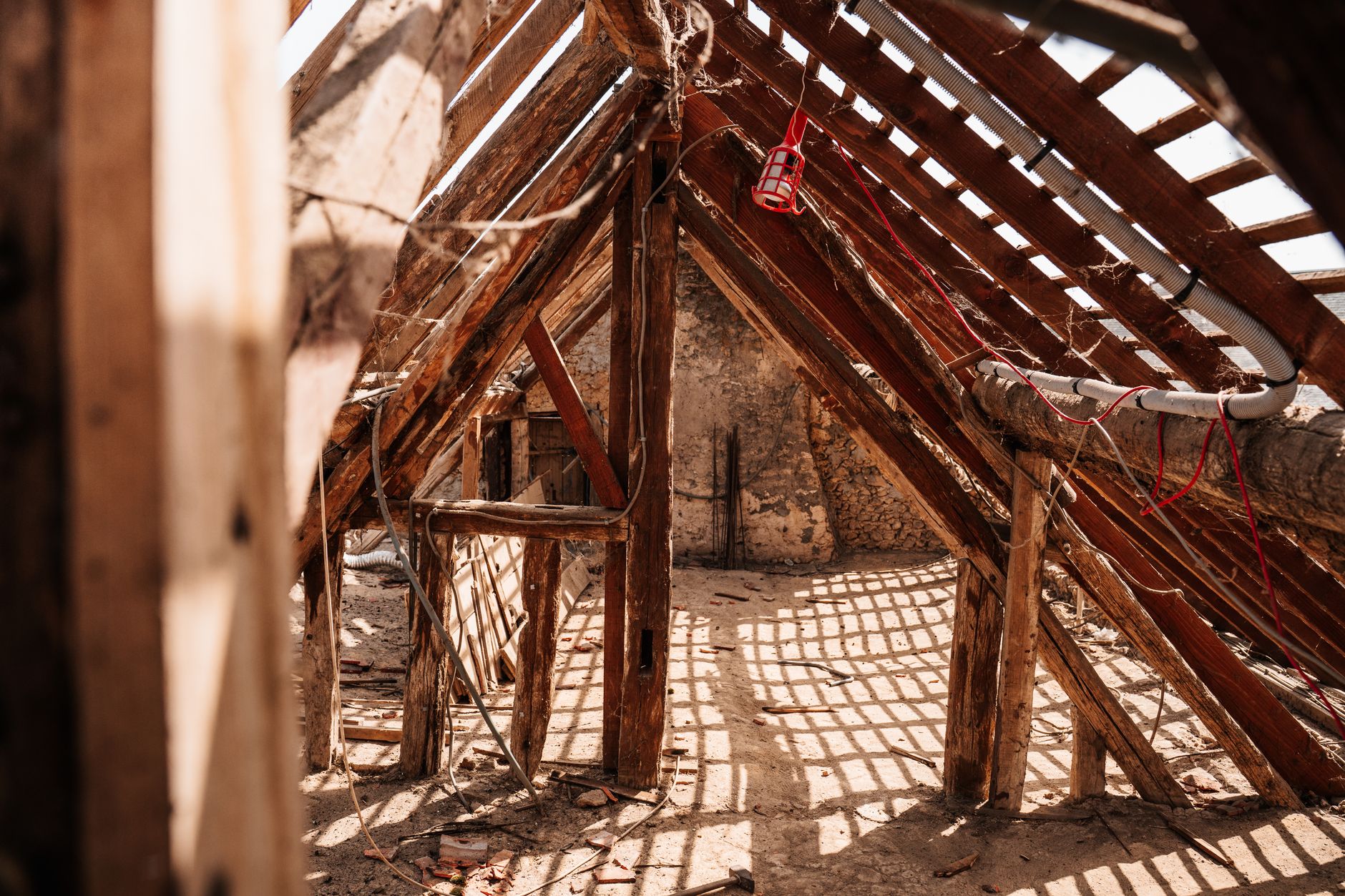
The best roofing material for energy efficiency in Missouri this fall is one that balances insulation properties with durability against local weather patterns.
What Characteristics Make a Roofing Material Energy Efficient?
In Southwest Missouri, where cities like Nixa, Springfield, and Ozark experience a blend of cooler fall temperatures and moderate humidity, selecting a roofing material with excellent insulation properties can significantly impact your energy bills. The U.S. Department of Energy affirms that heat loss through the roof can account for up to 25% of total heat loss in homes, making energy-efficient roofing crucial.
Energy-efficient roofing materials reflect more sunlight and absorb less heat. This characteristic, known as “solar reflectance,” is key in choosing the right material. Moreover, thermal emittance or the ability of a material to release absorbed heat is vital. The combination of these two properties helps maintain a stable indoor temperature, reducing the need for heating systems to work overtime.
Which Roofing Materials Are Optimal for Missouri’s Fall Climate?
-
Metal Roofing: Known for its high solar reflectance and durability, metal roofing is an optimal choice in Nixa and surrounding areas. According to the Metal Roofing Alliance, metal roofs can reflect solar radiant heat, reducing cooling costs by 10-25%.
-
Asphalt Shingles: While not traditionally known for energy efficiency, specialized “cool roof” shingles coated with reflective granules can now improve heat dissipation. As you plan your winter readiness in counties like Christian and Greene, opting for these newer asphalt shingle varieties can help balance initial costs with performance.
-
Slate and Tile: With excellent thermal resistance, these materials are suited for homes in higher humidity areas like Branson and Taney County. Their natural density makes them highly effective for insulation, although they might come with a higher upfront investment.
How to Assess the Long-term Energy Benefits?
Understanding the long-term energy benefits of roofing materials involves comparing installation costs versus savings on energy bills. The Oak Ridge National Laboratory suggests that cool roofs can improve a home’s energy efficiency significantly, saving up to a 15% reduction in air conditioning energy costs. However, in Missouri’s fall, the focus shifts more toward heat retention.
Steps to Evaluate Long-term Savings:
-
Determine Your Roof’s Exposure: Analyze which part of your roof gets the most sun and heat. In locations like Mount Vernon or Bolivar, homes with roofs facing southwest will benefit more from reflective materials.
-
Consider Roof Insulation: Even with the best materials, poor insulation can negate energy efficiency. Ensure your attic and roofing underlayment are adequately insulated.
-
Calculate Return on Investment: Look at the total costs and predicted savings on energy bills over ten years. For example, if a metal roof can save you 25% on heating, calculate these savings against the upfront costs.
How Do Missouri’s Weather Patterns Affect Your Choice?
Missouri’s weather patterns, characterized by its climate variability, necessitate careful consideration in material selection. With winter temperatures averaging 30°F in Springfield and frequent rainfall, your roofing must be adept at handling moisture while maintaining heat retention.
Missouri does receive approximately 43 inches of rain annually, impacting shingle durability and performance. Asphalt shingles, when treated for reflectivity, can withstand these conditions adequately. On the flip side, metal roofs, being impervious to moisture, offer long-lasting resilience, but may require additional noise dampening treatments due to rain’s sound.
In the heart of fall, as temperatures start to plummet in Polk County, the focus shifts to reducing heating costs. Energy-efficient roofing ensures your home retains heat, providing comfort without reliance on expensive heating solutions. Moreover, the resilience of your roofing during winter storms or icy conditions should be a priority. Counties like Webster and Douglas frequently confront icy conditions, highlighting the significance of a durable and frictionless roofing layer that minimizes ice dam formation.
What are the Costs Vs. Benefits?
Before you invest, considering costs vs. benefits is key. Energy-efficient roofing materials, although potentially more expensive upfront, may offer financial benefits over time through reduced utility bills.
Consider the Following for a Better Investment:
-
Initial Cost: Typically, metal roofing has a higher upfront cost but can last for over 50 years (GAF report), whereas asphalt shingles are cheaper but may require more frequent replacements.
-
Energy Savings: Calculate your expected yearly energy savings. In Republic City, where temperature fluctuations are significant, a reflective roof could dwarf its initial cost in savings over the roof’s lifespan.
-
Maintenance Requirements: Evaluate the ease and cost of maintenance. Metal roofs, for instance, demand less upkeep compared to other materials, potentially offsetting the higher purchase price over time.
How to Choose the Right Contractor?
Selecting the right contractor is as crucial as choosing the material itself. A certified and experienced contractor in Missouri, familiar with local climates, can ensure your roofing is installed correctly to maximize energy efficiency.
-
Check Certifications: Ensure the contractor is certified by reputable bodies such as GAF and Owens Corning. At Roov, we hold both Master Elite and Platinum Preferred certifications, guaranteeing top-tier expertise.
-
Ask for Local References: A contractor with experience in Southwest Missouri will understand the unique climatic challenges and can provide suitable recommendations based on previous projects in cities like Ava or Lebanon.
-
Evaluate Experience with Energy-efficient Projects: Not all roofing companies have experience with energy-efficient installations. Ask about their previous projects and any energy savings they have detailed in past customer testimonials.
By considering these factors, you can choose a contractor who will not only install your roof but maximize its potential to keep your home energy-efficient this fall and winter.
FAQs About Energy-efficient Roofing in Missouri
Why is energy efficiency important for my roof in Missouri?
Energy efficiency reduces heating and cooling costs by improving your home’s ability to retain heat or reflect sunlight, crucial for Missouri’s varied climate.
What is the most cost-effective energy-efficient roofing material?
While metal roofs offer significant energy savings, asphalt shingles specifically coated for reflectivity provide a more budget-friendly option.
How does winter weather in Missouri affect roofing material choices?
Missouri winters can be harsh, requiring roofing materials that can withstand cold, moisture, and potential ice damage, emphasizing durability and proper insulation.
Are there any incentives for installing energy-efficient roofs in Missouri?
Yes, certain areas may offer local rebates or incentives for energy-efficient home improvements, which you can check with local government programs or your utility provider.
With winter approaching in cities like Springfield and Nixa, ensuring your home is equipped with the best roofing material for energy efficiency is vital. As energy costs rise, a properly chosen and installed roof can not only protect your household from the elements but appreciably lower your monthly heating expenses. Start securing your home now with a free, no-obligation roof inspection from Roov, and explore how we can help enhance your home’s efficiency and value roof inspections.