
How to Choose the Right Roof Repair Plan This Fall for Your Missouri Home
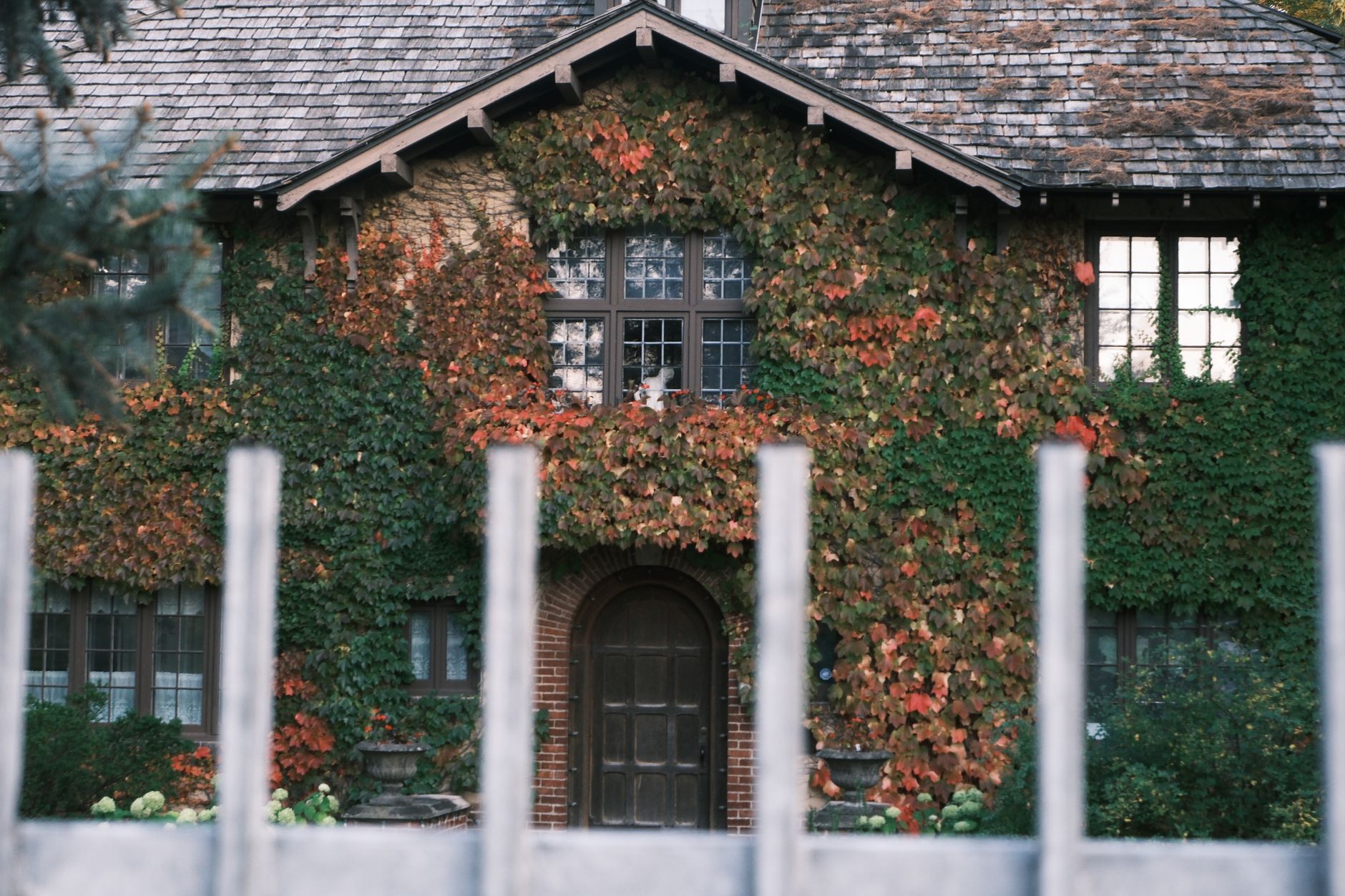
Selecting the right roof repair plan in Missouri this fall involves evaluating your roof’s current condition, understanding local weather patterns, and choosing a plan that aligns with your needs and budget.
Why is Fall an Ideal Time for Roof Repairs in Missouri?
Fall offers prime conditions for roof repair in Missouri due to milder temperatures and less humidity.
Missouri’s fall weather, particularly in areas like Nixa and Springfield, presents an excellent window for roof repairs. The National Oceanic and Atmospheric Administration (NOAA) reports that October and November average temperatures range from 55°F to 65°F across Southwest Missouri. These conditions are ideal for roofing work, as materials can properly adhere without the extreme summer heat or frigid winter cold. Additionally, fall sees fewer rainfall days compared to the spring, based on local weather data, minimizing the risk of water intrusion during roof repairs.
Choosing to tackle roof issues before winter can prevent further damage caused by heavy snowfall or icy conditions. According to the Insurance Information Institute, winter weather-related damages account for about 51% of all insured losses annually, emphasizing the importance of proactive maintenance.
How to Assess Your Roof’s Condition This Fall
Understanding your roof’s current condition is the first step in selecting the right repair plan.
-
Perform a Visual Inspection: Check for visible damage like missing shingles, sagging areas, or granules in gutters. Cities like Ozark and Branson often experience wind events that can dislodge shingles, so pay extra attention if you’ve noticed strong winds.
-
Look for Interior Signs: Assess your home’s interior for signs of roof damage such as water stains or mildew growth, which can indicate underlying issues.
-
Seek Professional Assessment: Engage a certified roofing expert in Missouri for a thorough inspection. Professionals familiar with local conditions can provide insights that laypeople might miss. For example, in Greene County, common issues include thermal shock from the fluctuating temperatures, which a pro can identify.
-
Evaluate Repair Needs: Based on your findings and professional advice, determine if you need minor repairs, a more extensive overhaul, or even a replacement.
What are the Key Components of a Roof Repair Plan?
A comprehensive repair plan addresses both immediate needs and long-term roofing health.
-
Immediate Repairs: Focus on any urgent issues identified during the inspection. This could include replacing missing or damaged shingles or sealing leaks.
-
Maintenance Schedule: Develop a timeline for regular maintenance activities like cleaning gutters and trimming nearby tree branches that might interact with your roof structure, common in wooded areas like those in Webster County.
-
Budget Considerations: Weigh the immediate cost against potential long-term savings. Sometimes a complete replacement could be more cost-effective than continuous minor repairs, given the fast-changing weather patterns impacting counties like Christian and Taney.
-
Material Selection: Choose materials that suit local climate conditions. Missouri weather can be unpredictable — opting for durable materials like CertainTeed or Owens Corning can offer better resistance against common regional challenges like hailstorms.
What Types of Roof Repair Plans Fit Missouri Homes?
Choosing the right plan involves balancing cost, material needs, and potential weather impacts.
-
Basic Repair Plan: Ideal for newer roofs or those with minimal damage, providing prompt fixes to small issues. This is a common choice in Springfield where moderate conditions keep roof damage levels generally low.
-
Preventive Maintenance Plan: Includes regular inspections and minor repairs throughout the year. Considering the climate in places like Laclede County, where temperature swings can occur, this plan helps prolong roof life.
-
Comprehensive Repair and Upgrade Plan: Best for older homes or roofs with significant damage, possibly involving a mixture of repairs and upgrades. For example, aging houses in Lebanon might benefit from this plan due to past severe weather impacts.
Why Your Location in Missouri Matters for Roof Repairs
Regional specifics influence what roof repair works best for your home.
Missouri’s diverse climate zones mean that a one-size-fits-all approach doesn’t apply. For instance, homes in Rolla may see different stress points on roofs than those in Marshfield due to varying local climate conditions. In rural areas, wind uplift might be more of a concern, while urban settings may face challenges like roof aging due to air pollution and thermal exposure.
Additionally, Missouri’s location in Tornado Alley adds a layer of urgency to repairs. The Missouri Emergency Management Agency notes that spring and summer are peak tornado seasons, so fall repairs prepare your roof to withstand potential storms.
How to Choose the Right Contractor for Roof Repairs in Missouri
The right contractor will have expertise, proper credentials, and a deep understanding of local weather impacts.
-
Check Credentials: Verify that the contractor is certified, such as a GAF Master Elite roofer like Roov, which ensures compliance with best practices and quality standards.
-
Local Experience: Opt for contractors with proven experience in counties like Polk or Douglas. Familiarity with local weather patterns and typical roofing issues is crucial for effective repairs.
-
Transparent Proposals: A good contractor will provide clear, detailed proposals outlining work scope, costs, and timelines.
-
Check References and Reviews: Look for feedback from past customers, especially those who had repairs in similar regional climates.
FAQs About Choosing a Roof Repair Plan in Missouri
What is the most common type of roof repair needed in Missouri?
Shingle replacement and leak fixes are the most common repairs needed, especially after windstorms common to our area.
How often should I inspect my roof in Missouri?
Twice a year is recommended, ideally before and after winter, to ensure readiness for upcoming seasonal changes and to catch winter damage.
Can small repairs wait until after winter?
It’s advisable to complete small repairs before winter to prevent them from escalating into larger issues due to ice or snow load.
Is it worth investing in a preventive maintenance plan?
Yes, particularly in Missouri where weather conditions can be unpredictable, a preventive plan can extend your roof’s lifecycle and reduce unforeseen costs.
Selecting and executing the right roof repair plan this fall is essential for protecting your Missouri home against future weather challenges. Should you need a professional assessment or tailored advice, consider scheduling a free roof inspection with us today. Our team’s deep understanding of local conditions ensures that your roof receives the care it deserves. roof inspections service areas