
How to Handle Heat-Related Roof Damage: A Comprehensive Guide for Missouri Homeowners
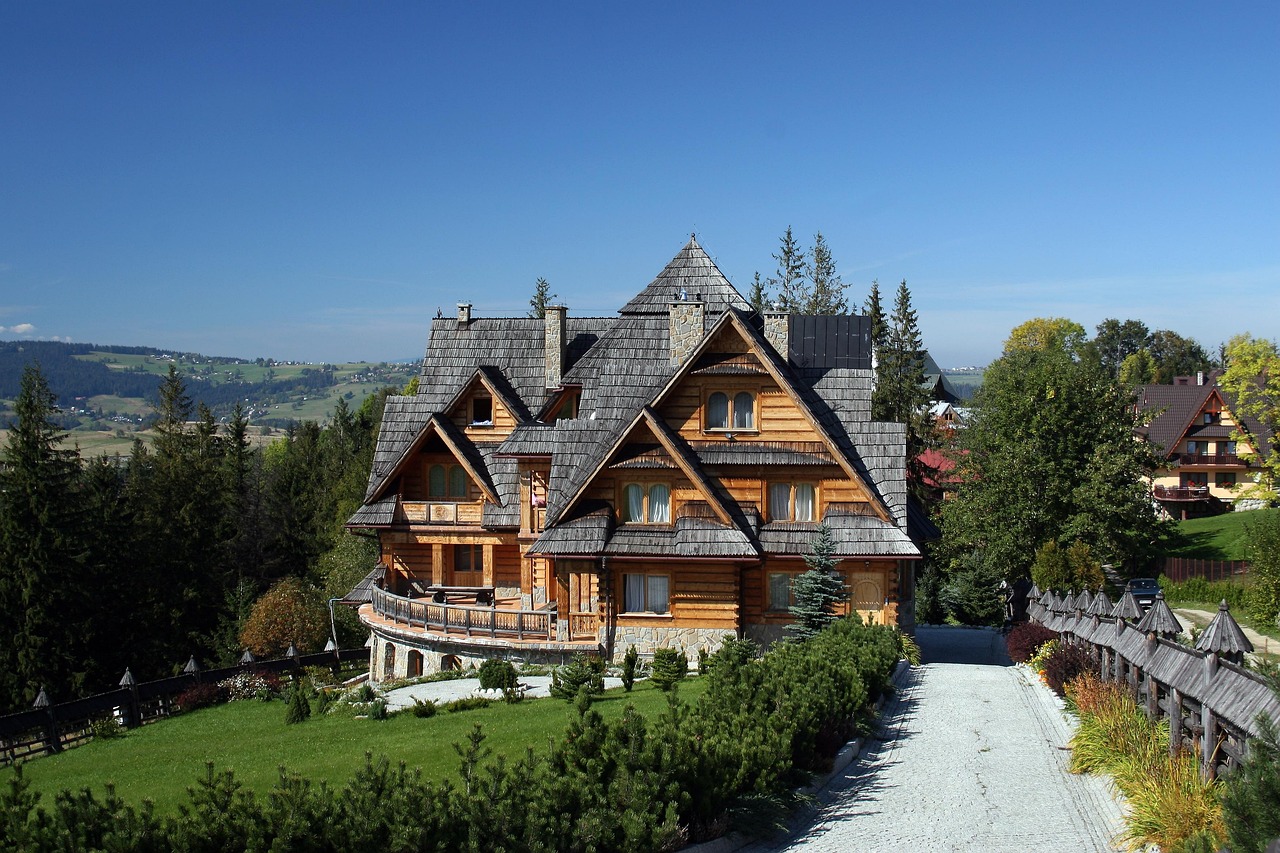
Heat can cause serious damage to roofs in Missouri, but you can prevent costly repairs with the right knowledge and timely action.
How Does Heat Affect Roofs in Missouri?
In Missouri, summer temperatures can often reach as high as 95°F (NOAA), making it essential for homeowners to understand how such heat impacts roofing materials. Extreme heat causes roofing materials to expand and contract, which can lead to cracks and physical damage. Asphalt shingles, common in Missouri, can become brittle and lose granules, significantly reducing their lifespan. Infrared radiation from the sun also contributes to the degradation of roof materials over time.
Roofs in cities like Springfield, Branson, and Nixa face the additional challenge of high humidity which can exacerbate heat damage. According to local meteorological reports, these cities experience an average of 80% humidity in the summer months, accelerating material breakdown. Heat and humidity together can also lead to mold growth and moisture problems inside attics and on roof surfaces.
Proper attic ventilation is crucial to mitigate these effects. It helps in maintaining the internal temperature of your roof, reducing the heat stress on roofing materials. Homes in areas like Ozark or Clever might experience even more pronounced effects due to their elevation and local climate nuances.
What Are the Signs of Heat-Related Roof Damage?
Identifying heat-related damage early can save Missouri homeowners from extensive repairs. Here are some key indicators to watch for:
-
Curling or Buckling Shingles: This is a common sign of heat damage. When shingles are exposed to excessive heat, they can start to curl or buckle, losing their ability to protect your roof effectively.
-
Cracked Shingles: Prolonged exposure to high temperatures can cause shingles to crack, opening pathways for water infiltration.
-
Loose Granules: Check your gutters for granule accumulation. If your asphalt shingles are losing granules, they are degrading more rapidly than expected.
-
Increased Energy Bills: A less obvious sign of heat damage could be your cooling bills. If your roof is compromised, it can allow more heat into your home, increasing cooling costs.
-
Visible Sagging or Spots of Discoloration: These can be signs of moisture issues related to heat, especially on the roof deck.
-
Interior Signs: Mold or mildew in your attic suggests poor ventilation and possible heat-related moisture issues.
Homeowners in Missouri cities like Republic, and Strafford might notice these signs as local climatic conditions—high sunlight exposure and humidity—accelerate roof degradation.
How Can You Prevent Heat-Related Roof Damage?
Preventive measures are key to protecting your roof from heat damage. Here’s a step-by-step guide to help you safeguard your home:
-
Schedule Regular Inspections: Regular roof inspections can help spot heat-related issues early. Aim for a bi-annual check or after severe heat waves.
-
Upgrade Ventilation: Ensure your attic has adequate ventilation. Consider installing ridge vents or gable vents to promote airflow and maintain cooler roof temperatures.
-
Install Reflective Shingles: GAF’s Energy Star-rated shingles can reflect more sunlight and reduce heat absorption by up to 15% (GAF), which is particularly effective in hot Missouri summers.
-
Consider Insulation Enhancements: Improving attic insulation not only conserves energy but also helps in reducing heat damage to roofing materials.
-
Trim Overhanging Branches: This can reduce direct sunlight exposure and allow better air circulation over your roof surface.
-
Check Flashings and Sealants: Ensure that all flashing, sealants, and roof components are intact and properly sealed to prevent heat-induced slippage and water ingress.
In regions like Lebanon and Marshfield, where summer storms can follow heat waves, these steps can help prevent combined heat and storm damage.
What Should You Do If You Find Heat Damage?
Addressing damage promptly can save you from extensive repairs. Here’s how you can tackle any heat-related roof issues:
-
Conduct a Thorough Inspection: Before engaging professionals, perform a preliminary check. Look for the signs listed above, particularly after a heat wave.
-
Engage Professional Services: Contact a certified roofing contractor, like Roov, to provide a detailed assessment and recommend appropriate repair solutions. Our technicians are trained to handle these specific issues and ensure quality repairs.
-
File Insurance Claims if Applicable: Heat damage, if severe, may be covered under roof damage provisions. Consult with your insurance to explore your options and potentially offset repair costs.
-
Implement Recommended Repairs: Follow through on your contractor’s recommendations, whether it’s replacing shingles, improving ventilation, or repairing structural components.
In cities like Bolivar or Hollister, where heat damage might coincide with storm repair, a proactive approach is critical for roof resilience.
How Can Heat-Related Roof Damage Affect Your Home’s Value?
Roof integrity is directly linked to property value. In the competitive real estate markets like Branson and Ozark, a compromised roof due to heat damage can significantly affect home evaluations and sale prices. Properties with well-maintained roofs not only sell faster but often fetch better prices.
Heat damage, if left unaddressed, can lead to structural issues like roof leakage and could potentially travel inward, causing mold growth—factors known to deter potential buyers. According to home selling data, roof issues can reduce property value by up to 3% (Insurance Industry Reports).
What Are the Long-Term Effects of Ignoring Heat Damage?
Ignoring heat-related damage can have several long-term consequences:
-
Decreased Roof Lifespan: Continuous heat exposure without adequate preventive measures reduces the effective lifespan of roofing materials, leading to premature roof replacement.
-
Structural Damage: Heat can accelerate deterioration not only of roofing materials but also the underlying structures, potentially leading to costly structural repairs.
-
Increased Utility Bills: Lack of proper insulation and ventilation due to roof damage translates to higher heating and cooling costs.
-
Mold and Mildew Growth: Persistent moisture issues associated with heat-damaged roofs promote unhealthy mold growth.
Homes in Missouri that ignore these signs can face compounded repair bills, making it crucial for Springfield and Nixa residents to consider immediate action.
FAQs
How often should I inspect my roof for heat damage in Missouri?
It’s recommended to inspect your roof twice a year—in early spring and late fall. Additional checks are necessary after severe heat waves.
What are the best roofing materials for resisting heat in Missouri?
Reflective asphalt shingles and metal roofing are excellent choices. They offer durability against heat and can reflect solar energy effectively.
Can heat-related roof damage be covered by home insurance?
This depends on your policy. Many home insurance policies cover sudden and accidental damage but may not cover wear and tear from prolonged heat exposure.
How does Missouri weather influence roof longevity?
Missouri’s hot summers and cold winters contribute to material stress and degradation, shortening roof lifespan by as much as 20% without proper maintenance and materials.
For Missouri homeowners concerned about the impacts of summer heat on their roofs, a free roof inspection offers peace of mind and a detailed overview of any existing issues. At Roov, we provide comprehensive assessments and solutions tailored to your specific needs. Visit roof inspections to learn more about how we can help safeguard your home in cities like Nixa, Springfield, and Ozark.