
How to Safeguard Your Roof Against Ice Dams This Winter: Essential Pre-Fall Strategies for Missouri Homeowners
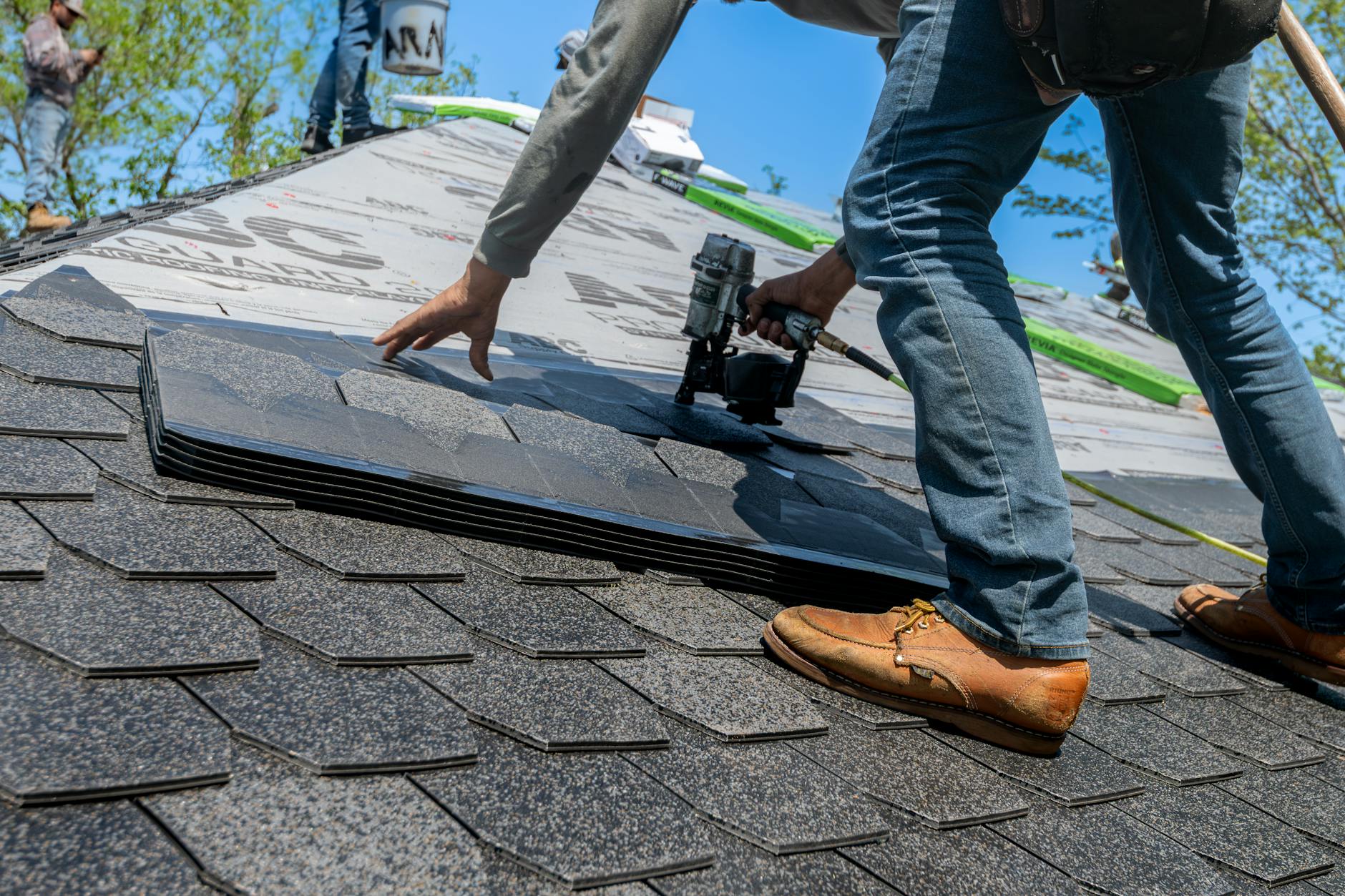
To protect your roof from ice dams this winter, start with effective pre-fall prevention strategies tailored for Missouri homes.
What Are Ice Dams and Why Are They a Problem in Missouri?
An ice dam is a ridge of ice that forms at the edge of a roof and prevents melting snow from draining off. In Missouri, with fluctuating temperatures and about 15 inches of snow on average in a typical year (NOAA), ice dams are an ongoing concern that can lead to significant damage if not managed properly. When snow melts and refreezes, the water backs up under the shingles and into the home, leading to leaks, mold, and structural damage.
Homeowners in cities like Nixa and Springfield, where winters can bring unpredictable snowfalls, need to be particularly vigilant. Ice dams often occur when attic heat melts the snow on the roof, a process exacerbated by poorly insulated homes and dynamic Missouri weather patterns.
How Can Insulation and Ventilation Prevent Ice Dams?
Proper insulation and ventilation are critical components in preventing ice dams, as they keep your roof’s surface cold and prevent snow from melting prematurely. This begins with ensuring your attic is up to code in terms of insulation.
-
Assess Your Insulation: Missouri roofs, like those in Greene County, benefit from proper attic insulation to maintain a stable surface temperature. According to the Department of Energy, most homes require R-49 to R-60 insulation, depending on regional conditions.
-
Ensure Adequate Ventilation: Moving air through your attic balances temperatures and reduces the risk of dam formation. A balanced ventilation system can prolong the life of your roof by up to 25% (GAF). Install ridge vents or soffit vents to facilitate this air movement.
-
Seal Air Leaks: In Nixa and neighboring areas, sealing gaps and cracks that let warm air rise into the attic is another crucial step. This can drastically reduce heat loss and subsequent ice dam risks.
How Do Weather Conditions in Missouri Affect Ice Dam Formation?
Missouri’s winter weather is a perfect recipe for ice dam development due to fluctuating temperatures. In areas like Taney County, the freeze-thaw cycle is common, which contributes to ice dam formation when daytime melting refreezes at night.
For example, in 2021, Springfield experienced temperatures transitioning from highs in the 40s to lows below freezing within days (NOAA). These conditions can quickly lead to water damage if ice dams are not controlled.
Prepare by monitoring weather forecasts and understanding the implications of these fluctuations. Rapid temperature swings mean homeowners need to be responsive and proactive in their maintenance routines.
What Maintenance Tasks Should Be Prioritized Before Winter?
Routine maintenance before winter hits Missouri can prevent ice dams from forming. The following checklist helps avert ice-related damage:
-
Clean Your Gutters: Clogged gutters can prevent proper drainage. In Christian County, ensure that your gutters and downspouts are clear of leaves and debris from autumn. This prevents water from pooling at the roof’s edge and refreezing.
-
Inspect Roof Flashing: Flashing areas such as valleys and penetrations (e.g., chimneys and vents) should be inspected for closures against leaks. Repairs should be made before heavy snowfalls, common in areas like Webster County.
-
Trim Overhanging Branches: Trees can deposit more snow on your roof, increasing the risk of ice dam formation. In Springfield, ensuring tree limbs do not overhang onto the roof is essential.
-
Schedule a Professional Roof Inspection: Before winter, get a professional inspection to identify potential weaknesses. At Roov, we provide comprehensive roof inspections across Southwest Missouri, identifying issues that could worsen snowy conditions roof inspections.
How Can You Monitor a Roof for Ice Dam Risk Throughout Winter?
Ongoing vigilance during the winter months helps mitigate ice dam risks. Here’s how:
-
Regularly Clear Snow: Use a roof rake to keep the roof clear of significant snow buildup, particularly after Nixa receives accumulations of more than 6 inches in one storm.
-
Inspect After Storms: After Missouri’s frequent winter storms, examine the roof and gutters for ice buildup. If you see icicles forming, this could indicate an ice dam beginning to form.
-
Monitor Indoor Conditions: Keep an eye on your home’s internal temperature and humidity. Condensation in the attic can be a sign of inadequate ventilation.
Frequently Asked Questions
How can I prevent ice dams if I don’t have proper attic ventilation?
If updating ventilation isn’t feasible before this winter, maintaining cold roof surfaces through regular snow removal and using heated ice dam cables can help minimize risks.
Do heated cables prevent ice dams in Missouri?
Heated cables can effectively prevent ice dams when installed correctly. They work best in areas with consistent ice dam problems, such as north-facing roofs in Springfield or Branson.
Can ice dams form even if my roof is new?
Yes, even new roofs in Missouri are susceptible to ice dams, especially in areas like Taney County with fluctuating temperatures. Proper insulation and ventilation remain key preventive measures roof replacement.
What should I do if I discover water damage from ice dams?
Contact a professional roofer immediately to assess and repair any damage. Structural integrity can be compromised by repeated ice damming, especially in older homes prevalent in communities like Nixa or Ozark.
For homeowners in areas from Greene to Douglas counties, taking these steps not only protects your investment but ensures your home’s integrity during winter. If you’re concerned about potential ice dam issues, consider scheduling a free inspection with Roov. Our certified professionals are here to help ensure that your home is prepared for whatever winter might bring. Visit our website or reach out to us directly to set up your appointment contact us.