
Navigating Roof Insurance Claims After Summer Storms: A Guide for Missouri Homeowners
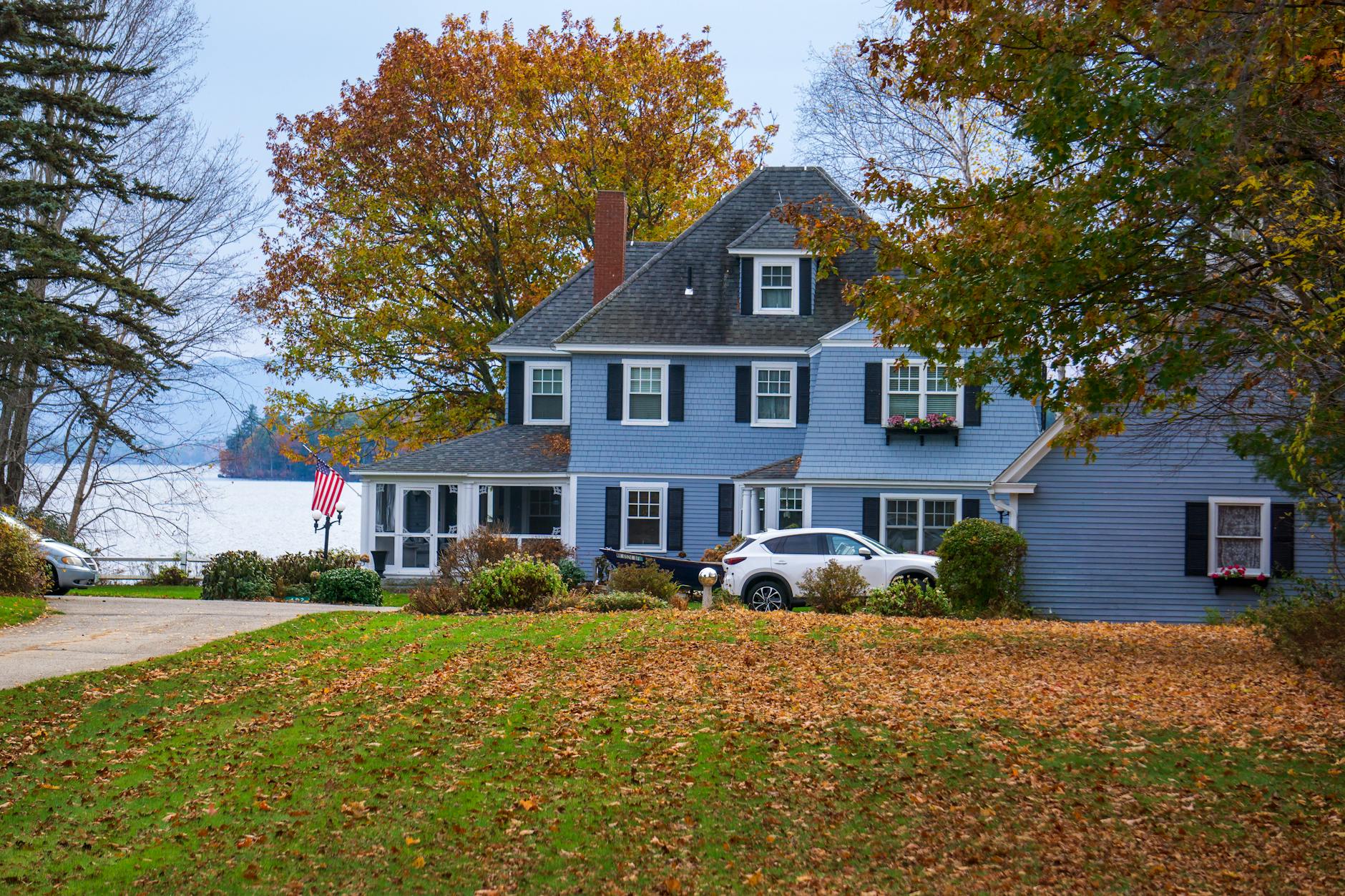
Navigating roof insurance claims in Missouri after summer storms requires understanding key steps to ensure you get necessary repairs without financial strain.
Why Are Summer Storms so Destructive in Missouri?
Missouri, particularly areas like Christian County and Greene County, is no stranger to intense summer storms. According to the National Oceanic and Atmospheric Administration (NOAA), the frequency and intensity of summer thunderstorms have increased by 20% over the past decade. These storms often bring severe winds, hail, and heavy rain, severely impacting rooftops. Understanding why these storms are so destructive can help homeowners anticipate both damage and the subsequent insurance process.
A combination of factors contributes to the damage. Greene County, for example, sees regular occurrences of 60 mph winds and golf ball-sized hail during peak storm season. These conditions wreak havoc on roofing structures, often leading to issues like shingle blow-off or significant water intrusion. In Springfield, homeowners often report seeing shingle damage after just one season, especially if previous repairs haven’t addressed vulnerabilities properly.
The importance of understanding Missouri’s storm patterns lies in preparing for potential claims by knowing the common types of damage that occur, which aids in documenting the need for insurance intervention effectively.
What Should You Do Immediately After a Storm?
In the immediate aftermath of a storm, Missouri homeowners should prioritize safety and documentation to ensure a smooth insurance claims process.
-
Ensure Safety First: Before inspecting your property, ensure the storm has completely passed. High winds can create falling debris hazards, and persistent rains may pose dangers like flooding in low areas such as those found in Taney County’s floodplains.
-
Document the Damage: Use your smartphone to capture clear images and videos of the roof and property damage. The Insurance Information Institute (III) underscores the importance of detailed documentation to expedite the claims process.
- Take wide-angle shots of entire roof sections, focusing on visible damage such as missing shingles, visible impact marks from hail, or damaged gutters.
- Capture multiple angles to provide your insurer with comprehensive visual evidence.
-
Temporary Repairs: If safe and feasible, perform temporary repairs to prevent further damage. This could include covering exposed areas with tarps. In Lebanon, where contractors might take time to arrive, these interim measures can save homeowners from exacerbated water damage.
-
Contact Your Insurer Promptly: Prompt notification is crucial. The sooner you inform your insurer, the quicker the claims adjuster can evaluate the situation and initiate the claim.
How Do You Communicate with Insurance Adjusters?
Effective communication with insurance adjusters is pivotal in navigating roof insurance claims. Claims adjusters are there to assess and validate the reported damage, so clarity and completeness of your information will help in fast-tracking the process. Here’s how you can effectively interact with them:
-
Be Prepared: Have all documentation ready—photos, receipts, and any notes on what happened during the storm.
-
Be Honest and Detailed: Provide an accurate and detailed description of the event. When adjusters from Joplin or Columbia assess widespread damage, they rely on detailed briefs to prioritize claims.
-
Request Clarifications: Don’t hesitate to ask questions about your policy coverage and the claims process. According to a study by the National Association of Insurance Commissioners (NAIC), over half of polled policyholders in Missouri hesitate to question adjusters, often leading to misunderstandings.
-
Follow Up Promptly: After an initial visit, follow up with your insurer to ensure all necessary paperwork and steps are being completed. Maintain a log of all communications for future reference.
What Timelines Should You Be Aware Of?
Timelines are critical in the claims process, influencing how quickly you receive compensation for roof repairs. Here’s what you need to know:
-
Initial Reporting: Most Missouri insurance policies require storm damage to be reported promptly, often within 24 to 48 hours. This is crucial for policies that cover dynamic weather patterns like Springfield’s frequent fast-moving systems.
-
Inspection Scheduling: As insurance companies work through numerous claims post-storm, in places like Nixa, scheduling an adjuster’s inspection may take time. Typically, inspections occur within a week of filing your claim, but high-demand periods might extend this.
-
Claim Processing: Once an adjuster inspects the damage and confirms it aligns with your policy’s coverage, processing usually takes about 30 days, though this can vary based on complexity and the insurer’s existing workload.
-
Repair Timelines: Once you receive the green light, arrange for repairs promptly. Delaying repairs, especially in storm-prone counties like Laclede, can lead to denial of coverage for subsequent damage due to neglect.
Why Is Proper Documentation Critical?
Proper documentation forms the backbone of a successful roof insurance claim in Missouri. Complete, organized documentation simplifies evaluation by providing insurers with the information needed to validate claims efficiently and avoid disputes.
Detailed records allow for clarity when multiple storms hit, such as during Missouri’s late summer storm cycles. Documentation acts as a timeline, depicting the progression of damage and repairs—a useful tool for both initial claims and any potential disputes or follow-up claims.
For homeowners in counties like Webster and Polk, where storm patterns can cause recurring damage, maintaining a comprehensive file of all interactions and receipts streamlines the entire process, ensuring a quick claim resolution.
FAQ
What if my claim is denied?
If your claim is denied, review the denial explanation provided by your insurance company. Often, claims might be denied due to issues like insufficient documentation or damage not being covered under your policy terms. It’s advisable to compare notes with your policy and possibly seek assistance from a professional if the denial seems unfounded. You might reach out to a local expert roof inspections for a second opinion.
How much does my homeowner’s insurance policy cover for roof damage?
Coverage varies widely, so it’s vital to understand your current policy details. Most homeowner’s insurance policies cover roof damage caused by external elements like storms, but the specifics depend on your coverage type. Contact your insurer to clarify your policy’s details, especially after periods of increased storms like those in Stone County.
Can I still claim if I noticed the damage weeks later?
Typically, claims should be filed shortly after damage occurs. However, if you discover damages later, document your findings thoroughly and contact your insurer immediately to explain the situation. Proving that damage was caused by a specific storm may be challenging, but insurers often accommodate reasonable delays.
Will my insurance premium increase if I file a claim?
Filing a claim might affect your premium, particularly if you’ve filed claims frequently or there’s a pattern of severe weather incidents in your area, like Douglas County’s storm history. Premium adjustments depend on the insurer and individual circumstances.
If you’re dealing with storm damage and need peace of mind, Roov is here to help. Schedule a free roof inspection with our team to assess potential storm impact and discuss your insurance claim options. Our experts will provide honest advice tailored to your needs. contact us roof inspections
Remember, understanding how to navigate the complexities of roof insurance claims can safeguard your investment and ensure your home remains safe after Missouri’s relentless summer storms.