
How to Prepare Your Roof for the Summer Sun: Tips for Missouri Homeowners
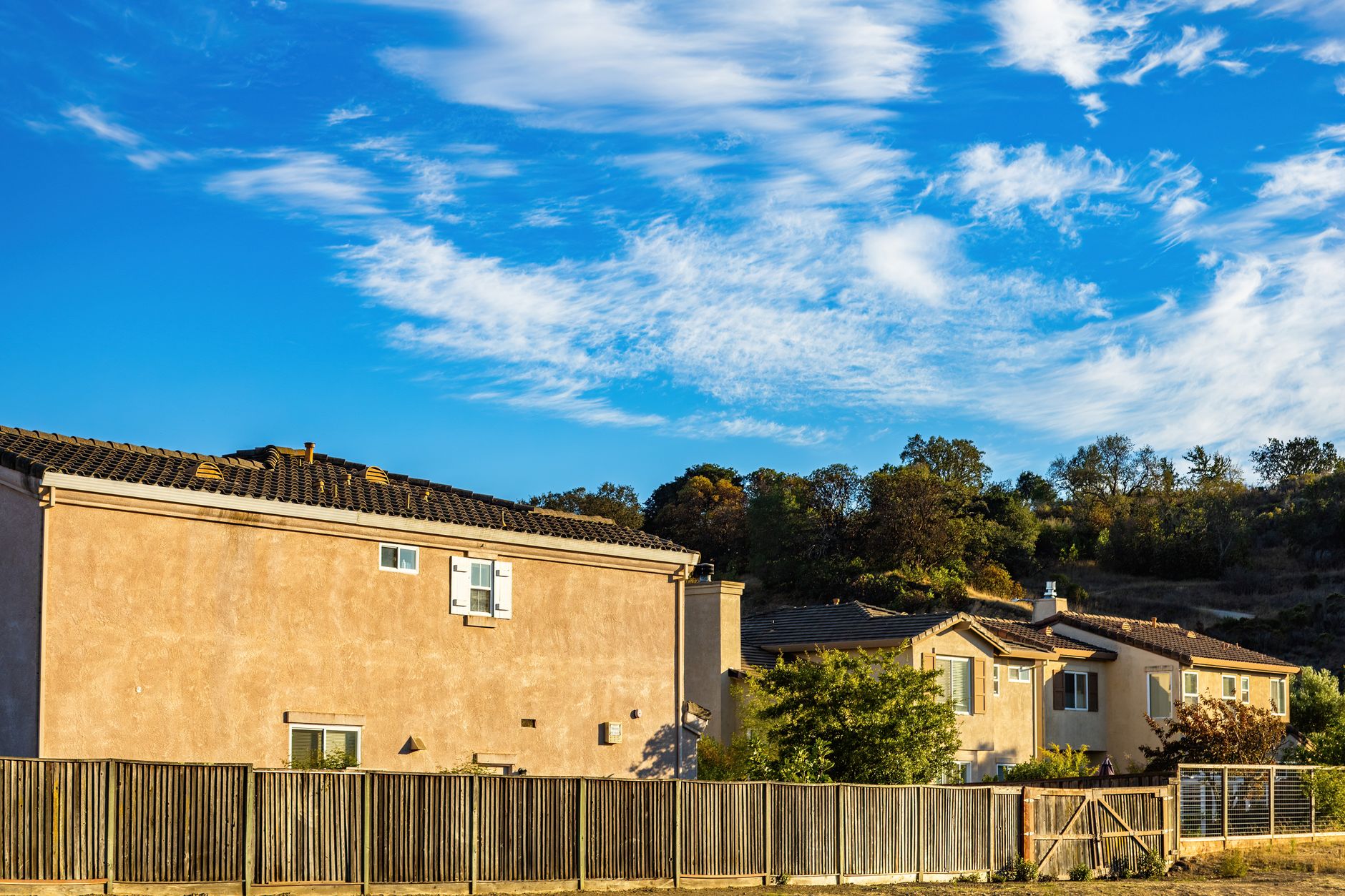
To protect your roof from Missouri’s summer heat, you should start with a thorough inspection and take preventive measures.
How does the summer sun affect roofs in Missouri?
The sweltering summer heat in Missouri, particularly in areas like Springfield and Branson, can be harsh on roofing materials. Prolonged exposure to high temperatures and intense UV rays can lead to the deterioration of shingles, causing them to become brittle and crack. According to the National Oceanic and Atmospheric Administration (NOAA), Missouri experiences an average of 60-70 high-temperature days annually, with temperatures often exceeding 90°F. These conditions can exacerbate wear on your roof, leading to early aging.
Missouri’s summer weather isn’t just about sunny days. Springfield and Nixa frequently experience high humidity levels that can compound the effects of heat, leading to moisture-related issues such as mildew and mold growth under poorly ventilated roofs. As the heat increases, thermal expansion and contraction can cause roofing materials to become unstuck or loosen over time, leading to costly repairs if not addressed promptly.
Why is roof ventilation important during summer?
Proper roof ventilation is crucial in maintaining a stable temperature within your attic space, which helps prolong the life of your roof. Without adequate ventilation, the attic can become unbearably hot, with temperatures soaring well above the outside air temperature. This heat buildup not only damages your roofing materials but can also increase energy costs by forcing your air conditioning system to work harder, a significant concern in regions such as Nixa and Ozark.
The Missouri Department of Natural Resources highlights that effective roof ventilation can reduce cooling costs by up to 15%, making it a financially wise choice. Roof vents, ridge vents, and attic fans are practical ways to improve ventilation, allowing hot air to escape and cooler air to circulate effectively. Additionally, well-ventilated roofs help prevent the growth of mold and mildew by reducing moisture buildup, a common issue given Missouri’s seasonal humidity peaks.
What are the best roofing materials for summer heat?
Selecting the right roofing material is a vital part of preparing your roof for the summer heat. Materials like asphalt shingles, popular in areas such as Christian and Greene counties, offer affordability and ease of installation but may not provide the best heat resistance. Instead, consider materials with higher reflectivity or those treated with reflective coatings that can deflect UV rays.
For example, CertainTeed’s Cool Roof Collection shingles reflect significantly more sunlight and absorb less heat [Source: CertainTeed], a practical choice for Missouri’s sun-intensive summers. Metal roofing is another excellent option, reflecting heat effectively and maintaining durability. In fact, metal roofs can lower cooling costs by 10-25% as they reflect solar radiant heat [Source: U.S. Department of Energy].
How to inspect your roof for summer readiness
A thorough inspection is the first step to ensure your roof’s durability against the summer heat. Here’s how to conduct a simple rooftop check:
-
Visual Roof Inspection: Begin with a visual inspection from the ground, using binoculars to spot missing or damaged shingles, sagging areas, and rust spots on flashing.
-
Gutter Check: Ensure gutters are clean and free of debris to prevent water backup which can damage roofing materials.
-
Interior Check: Examine your attic for signs of leaks, mold, or faulty insulation, which could indicate roofing issues.
-
Professional Inspection: Schedule a professional roof inspection roof inspections to assess for potential problems that are less visible.
By regularly inspecting your roof, particularly before the height of the summer season, you can identify and rectify potential issues early, saving on extensive repairs.
How can homeowners protect their roofs from UV damage?
Protecting your roof from UV damage is essential for maintaining its structural integrity. Here’s how you can shield your roof:
-
Apply Reflective Coating: Use a reflective roof coating to reduce thermal shock and temperature fluctuations. These coatings can lower roof surface temperatures by up to 100°F, prolonging the life of roofing materials [Source: GAF].
-
Install Roof Awnings: For homes in cities like Branson, adding awnings can provide shade and reduce direct sun exposure on vulnerable areas.
-
Regular Maintenance: Frequent cleaning to remove moss, algae, and debris helps prevent water retention and consequential damage.
-
Tree Trimming: Trim overhanging branches that provide cover to avoid debris buildup while maintaining some shading to reduce heat absorption.
Missouri homeowners looking to protect their roofs should implement these measures for maximum longevity and performance.
When should you consider professional roofing assistance?
Knowing when to call in a professional can save you from future hassles and expenses. If you notice significant signs of wear such as curling shingles, extensive granule loss, or you have an older roof nearing the end of its lifespan, it’s time to consult with professionals. Regular roof inspections, particularly in high-temperature areas like the Missouri Ozarks, can help spot damage early and prevent costly repairs.
Additionally, professional installers can provide advice and implementation of advanced materials and technologies tailored specifically to the unique climate challenges you face in Missouri, ensuring your roof remains in peak condition throughout the summer season.
FAQs
How often should I inspect my roof in Missouri?
You should inspect your roof at least twice a year, ideally in spring and fall, to catch any seasonal damage early on. However, in Missouri, additional inspections before and after the hot summer months are advisable.
Can a reflective roof coating really make a difference?
Yes, a reflective roof coating significantly lowers your roof’s surface temperature, reducing heat absorption and cooling costs, enhancing the longevity of your roofing materials by mitigating thermal stress.
What can I do if I notice signs of roof damage?
If you see signs of damage, such as missing shingles or leaks, contact a professional roofing contractor immediately for an assessment and necessary repairs roof repair.
How does Missouri’s climate impact roof lifespan?
Missouri’s hot summers and cold winters can compromise roof integrity over time, accelerating wear due to thermal expansion and contraction. This can lead to a reduced lifespan and increased need for maintenance.
Preparing your roof for the summer not only safeguards your home but also prolongs the lifespan of your roofing materials. At Roov, we provide comprehensive inspections and expert guidance tailored to Missouri’s unique climate. Schedule your free inspection today to ensure your roof is ready to face the summer sun contact us.