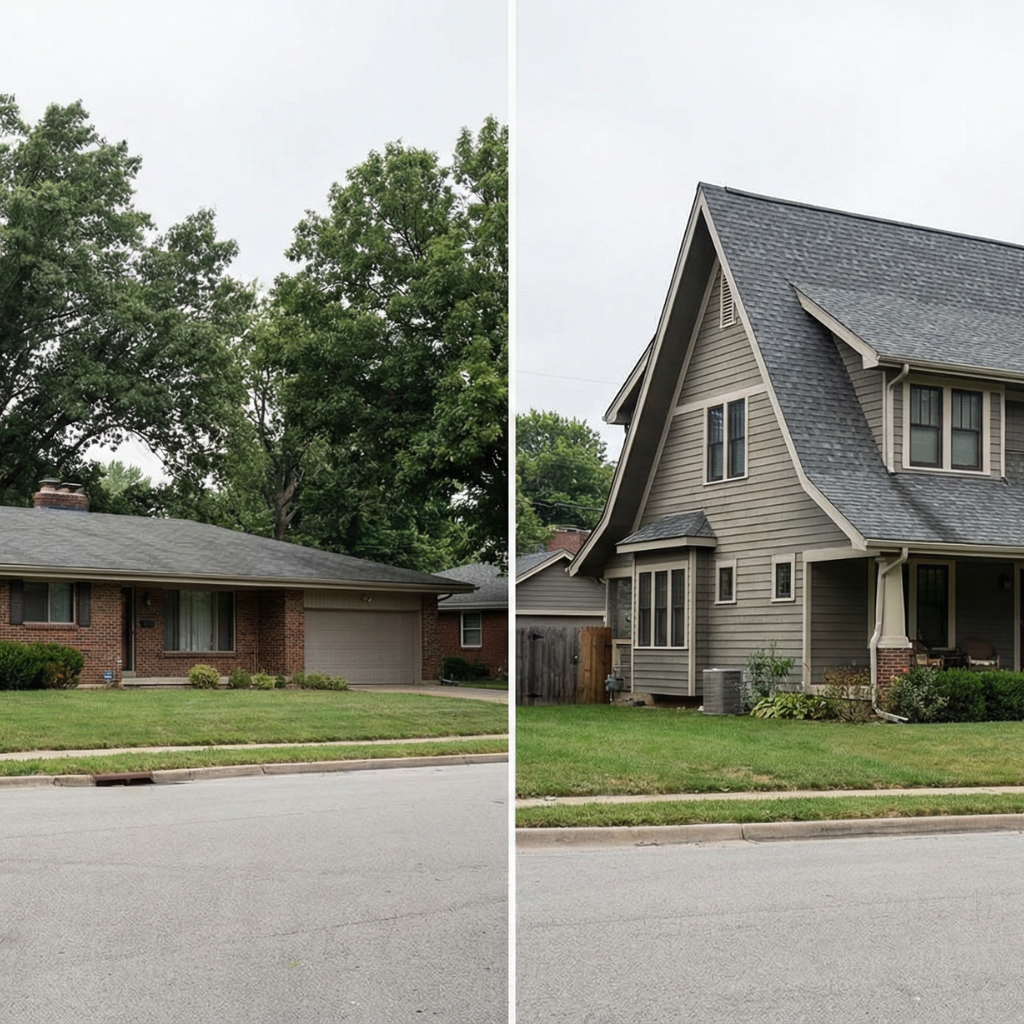

Spring storms in Southwest Missouri bring intense hail from March through May. This guide helps Springfield homeowners spot hidden hail damage before small problems become expensive repairs.
TLDR: Hail damage often hides in plain sight. Look for soft spots on shingles, granules in your gutters, dented metal components, and interior water stains. Schedule a free roof inspection within 48 hours of a storm for the best results.
You hear ice hitting your roof during a spring thunderstorm. You check your car for dents and assume your roof is fine. Here’s the problem: most hail damage is invisible to the untrained eye. A roof can look normal while hiding damage that causes leaks and costly repairs. Hail and wind damage account for nearly 45% of all homeowners insurance claims in Missouri.
Why Spring Storms Hit Southwest Missouri Hard
Warm Gulf air collides with cold northern fronts over our region, creating intense thunderstorms. According to the National Weather Service Greene County Hazard Assessment, the region experiences 50-70 thunderstorm days annually, with April, May, and June seeing the greatest number of significant hail reports. Communities like Nixa, Ozark, and Battlefield experience the same storm systems.
Pro tip: Save weather alerts on your phone. Knowing when hail hits helps document timing for insurance claims.
| Hail Size | Common Name | Roof Damage Risk |
|---|---|---|
| 1″ diameter | Quarter | Insurance threshold |
| 1.25″ | Half dollar | Moderate shingle damage |
| 1.5″ | Walnut | Significant damage likely |
| 1.75″+ | Golf ball | Severe damage expected |
Quarter-sized hail (1 inch diameter) is the industry standard for when roof damage becomes likely. Most insurance policies use this as their threshold for claims.
Sign 1: Soft Spots and Shingle Bruising
This is the most missed sign. When hail strikes asphalt shingles, it can fracture the fiberglass mat underneath without breaking the surface. The shingle looks fine but feels soft when pressed.
Think of it like a bruised apple – the skin looks normal, but the flesh underneath is damaged. These soft spots deteriorate faster and can crack and leak within 5-7 years.
Sign 2: Granule Loss in Gutters
Check your gutters after spring storms. Those sand-like particles are granules from your shingles. Some loss is normal on new roofs, but heavy accumulation signals damage. Granules protect asphalt from UV rays – significant loss can reduce roof lifespan by 70%.
Real example: A Springfield homeowner in Galloway cleaned his gutters after a May storm and found nearly two cups of granules at each downspout. His roof looked fine from the street, but inspection revealed widespread hail bruising on the south-facing slope.
Pro tip: Take photos of your gutters before and after storm season for insurance documentation.
Sign 3: Dented Metal Components
Your roof has metal flashing, vents, gutters, and chimney caps. These aluminum components dent more easily than shingles show damage. If your metal roof components are dented, your shingles almost certainly took the same impact.
| Component | Where to Look | What Damage Looks Like |
|---|---|---|
| Gutters | All edges of roof | Dents, dimples, dings |
| Roof vents | Near ridge line | Crushed or bent metal |
| Flashing | Around chimney, valleys | Bent edges, holes |
Walk around your home and examine metal surfaces at roof level. Dented gutters are your most reliable ground-level indicator.
Sign 4: Cracked Shingles and Exposed Underlayment
Larger hail can crack shingles outright, creating direct paths for water. According to Owens Corning, cracked shingles are a key indicator your roof needs attention. When shingles crack completely, you may see black underlayment beneath – this is urgent.
Real example: A Republic family noticed a small crack after an April storm but waited until fall. Water damage caused $4,200 in deck repairs on top of the roof replacement.
Sign 5: Interior Water Stains and Moisture
Sometimes the first sign appears inside your home. Brown or yellow ceiling stains often trace back to roof problems. After spring storms, check your attic for daylight through the deck, wet insulation, and musty odors.
Real example: A Branson family noticed a musty smell in their upstairs bedroom three weeks after a spring storm. Attic inspection revealed wet insulation under hail-damaged shingles. Insurance covered the full roof replacement plus mold remediation.
| Interior Sign | What It Means | Urgency Level |
|---|---|---|
| Yellow/brown ceiling stains | Active or past leak | High |
| Musty smell in attic | Moisture/mold present | High |
| Wet insulation | Active leak | Urgent |
What to Do After a Spring Hail Storm
The 48 hours after a storm matter most:
- Document the storm – Note date, time, and hail size.
- Photograph your property – Capture your roof from multiple angles.
- Call a professional roofer first – Get damage documented before contacting insurance.
- File your claim – You may qualify for a full roof replacement for just your deductible.
- Get a written estimate – Compare against your insurance settlement.
FAQs About Spring Hail Damage
Does my insurance cover hail damage? Most Missouri homeowners policies cover hail damage. Coverage depends on your policy type and roof age.
How soon after a storm should I get an inspection? Within 48 hours is ideal. Roov offers insurance claim assistance to help navigate the process.
What size hail causes roof damage? Quarter-sized hail (1 inch) is the industry threshold for potential damage. Larger hail causes more severe damage.
Can I inspect my own roof? You can spot obvious signs like granules in gutters or dented metal. However, assessing shingle damage requires walking the roof – best left to professionals.
What if my roof looks fine from the ground? Most hail damage is invisible from ground level. The National Roofing Contractors Association recommends professional inspections as quickly as possible after storms because trained contractors identify damage that building owners often miss.
Can hail damage get worse over time? Yes. Small cracks expand with freeze-thaw cycles, and granule loss accelerates UV damage. Minor issues today can become major leaks within a few years.
How long do I have to file a claim? Missouri has no statewide deadline, but policies vary from 30 days to 2 years. Act promptly.
Will filing a claim raise my rates? Hail claims are “acts of nature” and typically won’t raise your base premium. However, many Missouri insurers use separate wind/hail deductibles (often 1-2% of home value), so check your policy.
Key Takeaways
- Hidden damage is common: Hail damage often goes undetected for months
- Check metal first: Dented gutters and vents indicate shingle damage
- Document everything: Photos and dates strengthen insurance claims
- Act within 48 hours: Early inspection catches damage while evidence is fresh
- Insurance usually covers it: Most Missouri policies pay for hail damage repairs
Protect Your Home This Spring
Spring storm season is here. If your home has been through recent hail, a professional inspection gives you answers.
Roov provides free, no-pressure roof inspections throughout Southwest Missouri. Our GAF Master Elite certified team documents every detail and helps you understand your options.
Ready to get your roof checked?
Call: 417-370-1259
Email: [email protected]
Visit: roovmo.com
We serve Springfield, Nixa, Ozark, Branson, Republic, and all surrounding communities.
Roov | Roofing with a Purpose | Serving Southwest Missouri