
Ice dams cause serious damage to Southwest Missouri homes every winter. If you live in Springfield, Nixa, or Ozark, you know how quickly our freeze-thaw cycles turn small problems into major water damage. This guide covers ice dam formation causes and proven prevention techniques.
TLDR: Ice dams form when poor attic insulation lets heat escape, melting snow that refreezes at your roof’s edge. Ice dam prevention starts with upgrading to R-38 insulation, ensuring soffit and ridge vents work together, and keeping gutters clean. These steps reduce ice dam formation by 70-80%.
You’ve seen them. Thick ridges of ice hanging from roof edges. Massive icicles that look dramatic but signal a serious problem. That frozen buildup means water is backing up under your shingles right now.
This damage causes leaks, mold, rotted wood, and expensive repairs. The good news? Prevention is achievable with the right approach.
What Are Ice Dams and Why Do They Form?
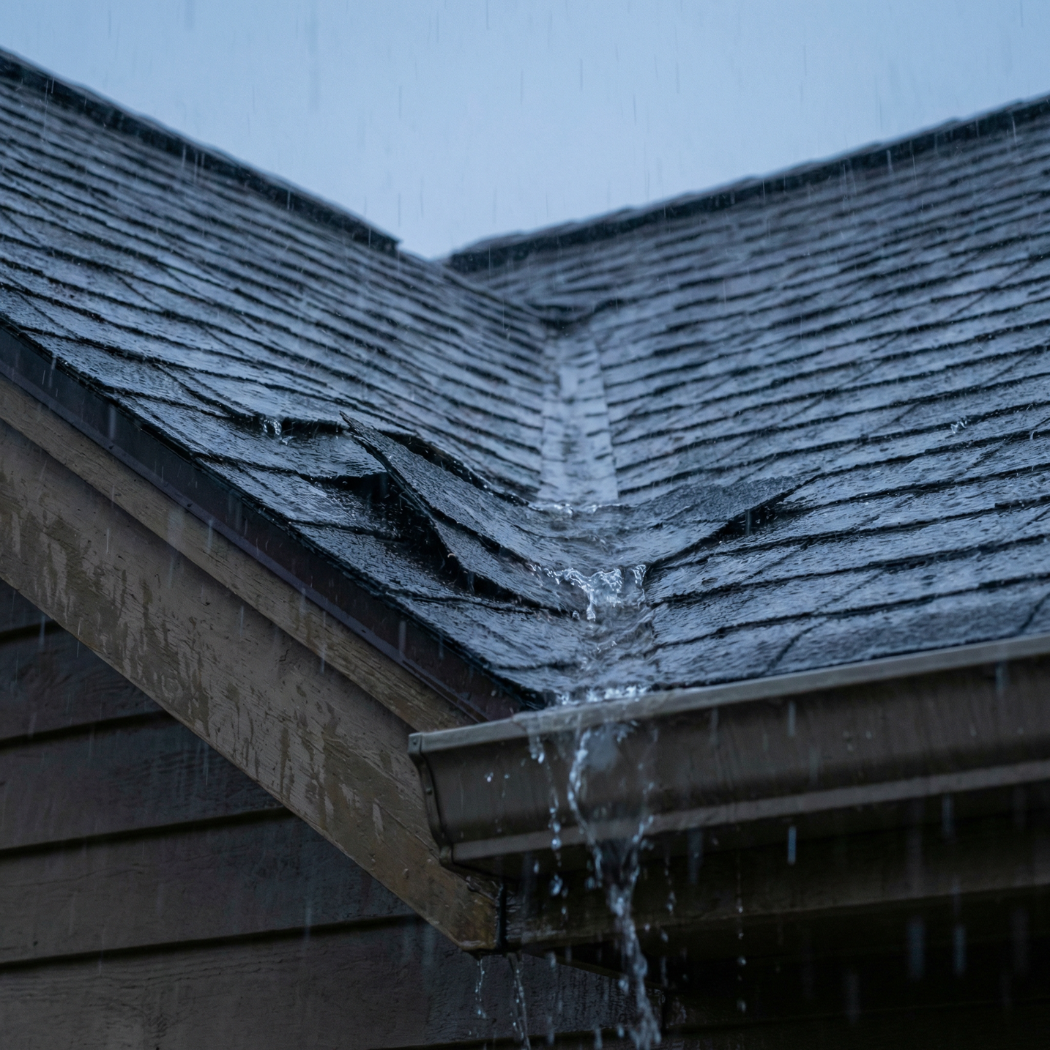
Ice dams happen when heat escapes from your attic and warms your roof. Snow melts on the warm upper roof, runs toward the cold eaves, and refreezes at the edge. This creates a dam that traps water forcing under your shingles.
The Role of Attic Insulation in Ice Dam Prevention
Most older homes in Springfield have R-11 to R-19 attic insulation. Modern code requires R-38 to R-49. Heat pours through thin insulation, warming your roof from below and causing ice dam formation.
Real example: The Rodriguez family in Ozark noticed frozen ridge problems every January in their 1975 home. After upgrading from R-11 to R-38, issues dropped 85%.
| Stage | What’s Happening | Danger Level |
|---|---|---|
| Attic heat loss | Warm air enters attic | Low |
| Upper roof melt | Snow melts on warm surface | Moderate |
| Eave freezing | Water refreezes at overhang | High |
| Water backup | Water forces under shingles | Severe |
Pro tip: If your attic exceeds outside temperature by more than 10°F, you have heat loss that will cause ice dam formation.
Why Southwest Missouri Homes Need Ice Dam Prevention
Missouri sees 30-50 freeze-thaw cycles per winter. Warm December days melt snow. Cold snaps refreeze meltwater at eaves. This pattern makes ice dam prevention essential for local homeowners.
| Factor | How It Contributes | Prevention Solution |
|---|---|---|
| Attic insulation | Heat escapes, warms roof | Upgrade to R-38+ |
| Ventilation design | Warm air trapped | Soffit + ridge vents |
| Freeze-thaw cycles | Repeated melt-refreeze | Proper insulation |
| Air sealing | Warm air leaks in | Seal penetrations |
Attic Insulation: The #1 Ice Dam Prevention Method
Upgrading attic insulation is the single most effective ice dam prevention technique. Proper insulation (R-38 to R-49) keeps your roof cold so snow stays frozen in place.
| Insulation Level | Home Age | Ice Dam Risk | Action |
|---|---|---|---|
| R-11 or less | Pre-1980 | Very High | Upgrade now |
| R-19 | 1980-2000 | High | Upgrade recommended |
| R-38 | 2000-2015 | Low | Monitor |
| R-49+ | 2015+ | Very Low | Maintain |
Real example: The Thompson family in Nixa had R-19 insulation and blocked soffit vents. After upgrading to R-38 and clearing vents, ice dam problems dropped 90%.
Pro tip: Insulation upgrades cost $2,000-$4,000 but reduce heating costs 20-30% annually. ROI is typically 3-5 years.
Attic Ventilation: Essential for Prevention
Even with great insulation, proper ventilation matters. Soffit vents draw cold air in at eaves. Ridge vents exhaust warm air at the peak. This airflow keeps your attic cold.
| Ventilation Type | Effectiveness | Common Problem |
|---|---|---|
| Gable vents only | Poor | Inadequate airflow |
| Soffit vents only | Fair | No exhaust path |
| Soffit + ridge | Excellent | May be blocked |
Pro tip: Check soffit vents before winter. Clear debris or insulation blocking them. Blocked vents guarantee frozen buildup at roof edges.
Air Sealing and Gutter Maintenance
Air leaks around attic hatches, pipes, and penetrations let warm air into your attic. Seal your attic hatch with weatherstripping. It takes 30 minutes and addresses the biggest air leak in most homes.
Clean gutters support prevention too. Debris prevents drainage. Standing water freezes and contributes to buildup. Clean gutters in October and December. This alone prevents 30-40% of winter roof problems.
Pro tip: If water enters your home from an ice dam, call immediately. Water damage spreads fast.
FAQ: Ice Dam Prevention for Missouri Roofs
Q: What exactly is an ice dam? A: An ice dam is frozen buildup at roof edges caused by snow melting on warm sections and refreezing at cold eaves. Water backs up under shingles causing leaks. Schedule a free roof inspection to assess risk.
Q: How do I know if I need prevention measures? A: If your home was built before 2000 and you’ve never upgraded insulation, you’re vulnerable.
Q: Will insulation really prevent ice dams? A: Yes. Upgrading to R-38+ reduces heat loss. Most homes see 70-80% fewer ice dams after upgrades.
Q: Can I prevent problems by just cleaning gutters? A: Gutter cleaning helps but isn’t enough. Poor insulation is the root cause.
Q: How much does prevention cost? A: Insulation upgrade: $2,000-$3,500. Ventilation improvements: $500-$1,500. This prevents $10,000+ in potential damage.
Q: What if an ice dam already formed and water is entering? A: Call immediately for emergency tarping. Then schedule professional inspection and plan permanent upgrades.
Q: When should I upgrade insulation? A: Summer or early fall is ideal. But any time beats never.
Q: Can I check my insulation myself? A: Yes. If you see joists through insulation, it’s inadequate. Professional assessment gives exact R-value.
Key Takeaways
- Ice dams mean active water damage: Water is entering your home and causing mold and structural damage right now.
- Poor attic insulation causes frozen buildup: R-11 to R-19 is inadequate for Missouri climate.
- Proper ventilation supports prevention: Soffit and ridge vents must work together.
- Prevention costs far less than repairs: $3,000-$5,000 in upgrades beats $20,000+ in damage.
Prevent Ice Dams Before They Damage Your Home
Ice dam prevention is achievable. Proactive homeowners avoid thousands in water damage every winter.
Roov helps Southwest Missouri homeowners identify risk and implement solutions:
- Free attic assessment to evaluate insulation and ventilation
- Roof repair services for existing damage
- Emergency tarping if problems develop
- Detailed prevention plans for your home
Call: 417-370-1259
Email: [email protected]
We serve Springfield, Nixa, Ozark, Branson, and all Southwest Missouri communities. Contact us today to schedule your pre-winter assessment.
Roov | Roofing with a Purpose | Serving Southwest Missouri