
A new roof is one of the largest investments you’ll make in your home. But here’s what most Nixa, Springfield, and Southwest Missouri homeowners don’t realize until it’s too late: your roof actually needs two separate warranties to be fully protected. One covers the materials. The other covers the installation. Miss either one, and you could face thousands in out-of-pocket costs when something goes wrong.
This guide breaks down everything you need to understand about roof warranties before your spring roof replacement. You’ll learn the critical differences between manufacturer and workmanship coverage, how to avoid the mistakes that void warranties, and why the contractor you choose determines your warranty options.
TLDR: Your roof needs both a manufacturer’s warranty (covers material defects) and a workmanship warranty (covers installation errors). Enhanced warranties through certified contractors like GAF Master Elite provide 50 years of non-prorated material coverage plus 25-30 years of workmanship protection. Registration within 45-60 days is mandatory. Spring installation means you’re fully protected before tornado and hail season.
The Two Warranties Every Roof Needs
Most homeowners assume “roof warranty” means one thing. In reality, you need two distinct types of protection working together.
Manufacturer Warranty: Materials Coverage
The manufacturer warranty comes from companies like GAF, Owens Corning, or CertainTeed. It covers defects in the roofing materials themselves.
What’s covered:
- Shingles that crack, curl, or deteriorate prematurely due to manufacturing defects
- Granule loss beyond normal wear
- Failure of the thermal seal strip
- Algae resistance (on products with that feature)
What’s NOT covered:
- Damage from storms, hail, or wind (that’s insurance)
- Problems caused by improper installation
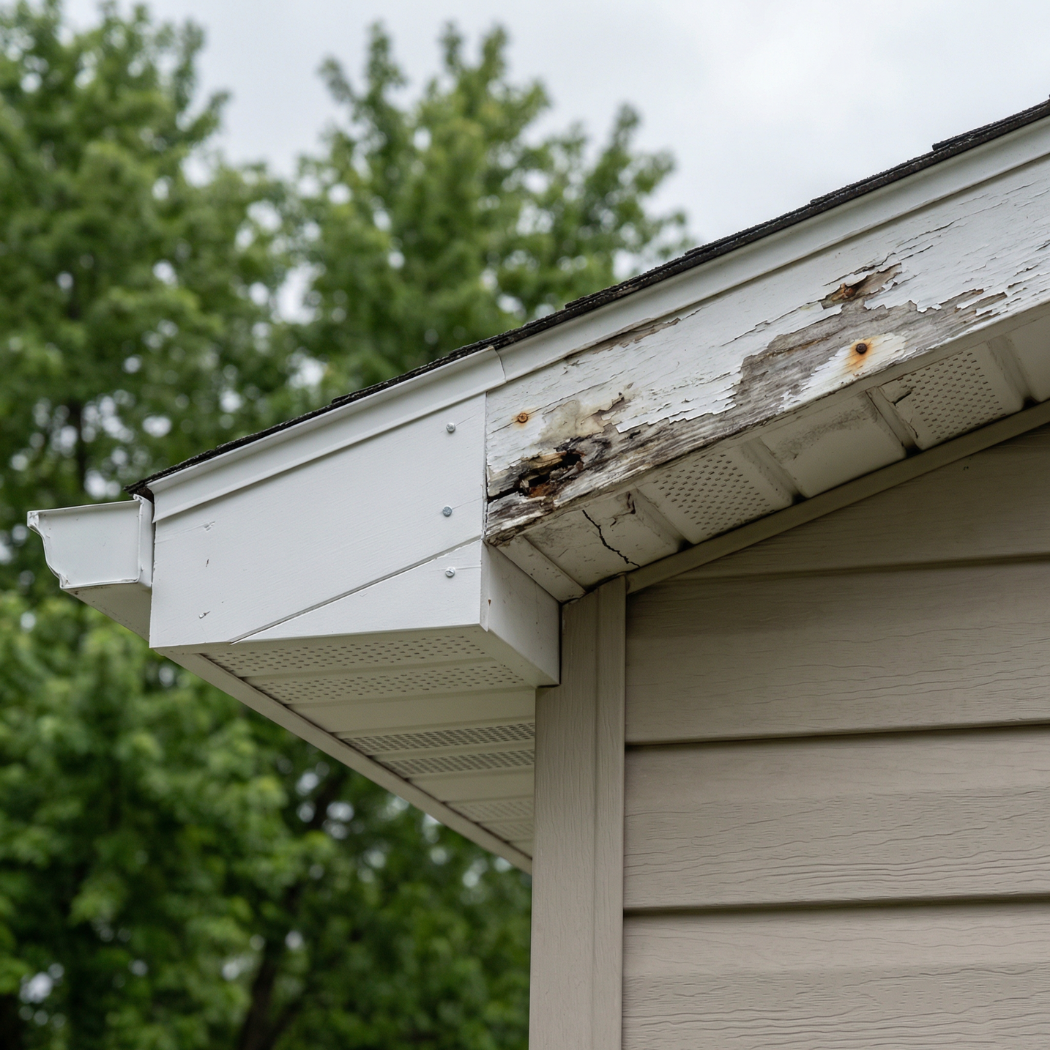
- Issues from lack of maintenance
- Normal wear and tear
According to Owens Corning’s warranty guide, most manufacturer warranties strictly cover the cost of defective materials, meaning you’re often responsible for labor charges to remove failed shingles and install replacements.
Workmanship Warranty: Installation Coverage
The workmanship warranty comes from your roofing contractor. It covers mistakes made during installation.
What’s covered:
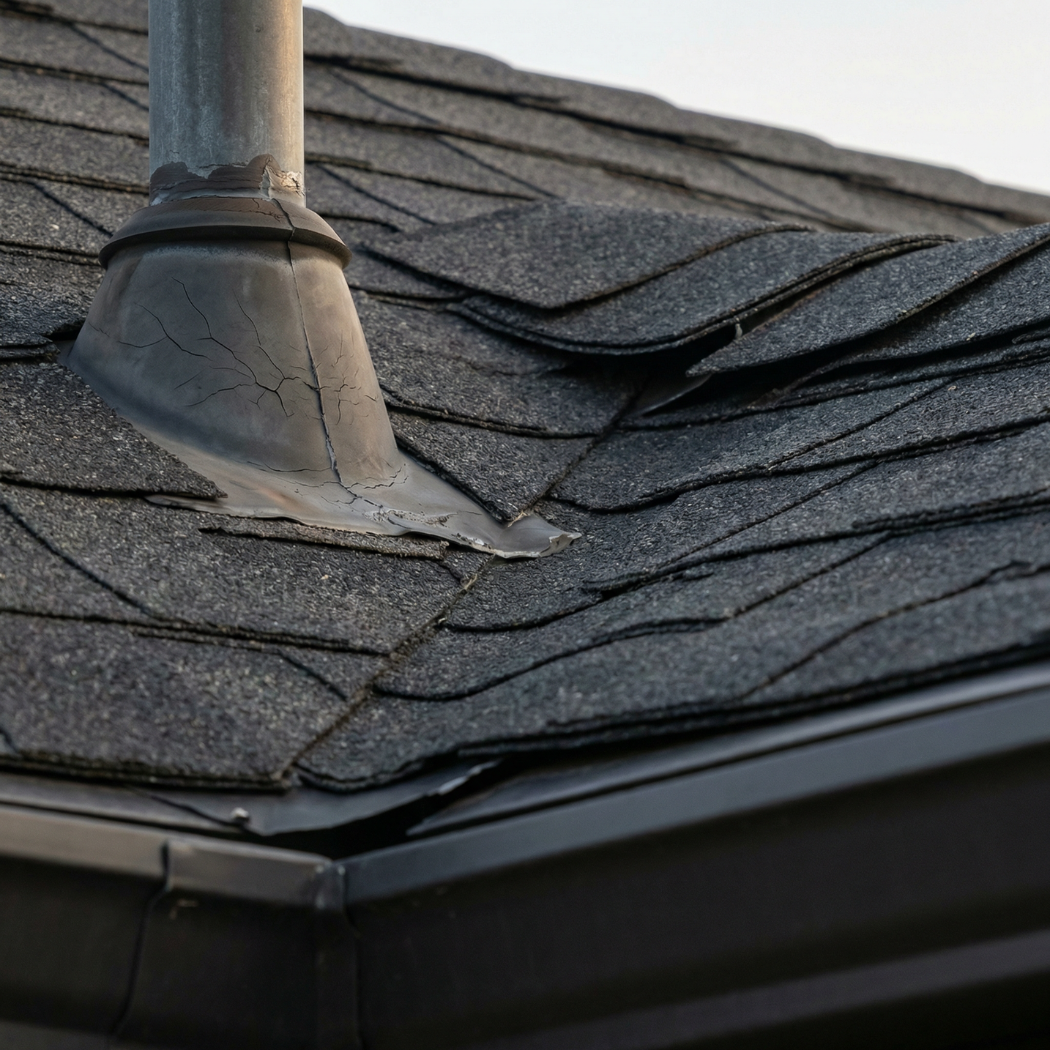
- Improperly installed flashing
- Incorrect nailing patterns
- Poor ventilation installation
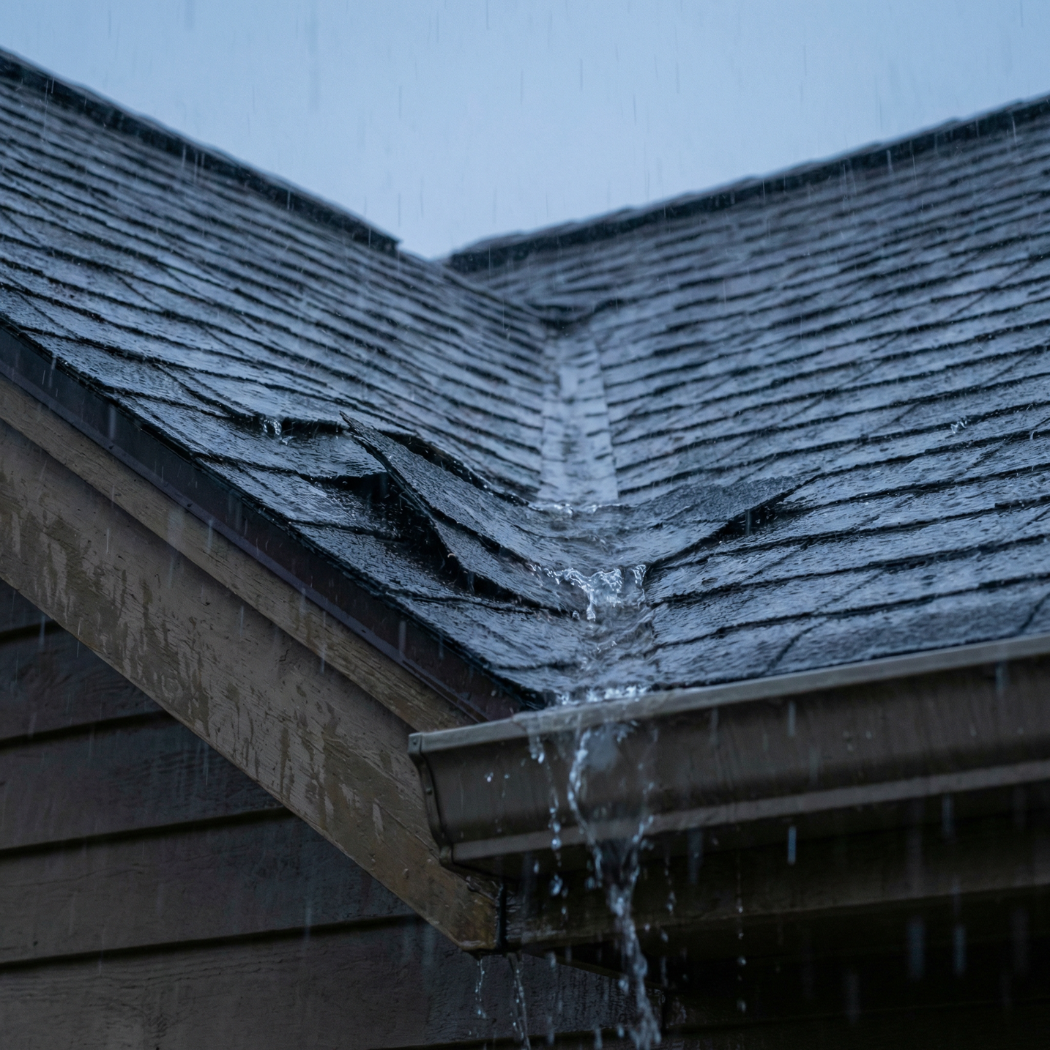
- Leaks caused by installation errors
- Improperly sealed penetrations
What’s NOT covered:
- Material defects (manufacturer’s responsibility)
- Storm damage
- Homeowner modifications
- Lack of maintenance
Critical point: Many contractors don’t offer meaningful workmanship warranties. Some offer nothing. Others offer 1-2 years that barely outlast the time it takes for installation problems to appear. This is why contractor selection matters so much.
| Warranty Type | Provider | Covers | Typical Length |
|---|---|---|---|
| Manufacturer (Standard) | GAF, Owens Corning, etc. | Material defects only | Lifetime (prorated after 10 years) |
| Manufacturer (Enhanced) | Same, through certified contractors | Materials + some labor | 50 years non-prorated |
| Workmanship (Basic) | Contractor | Installation errors | 1-5 years |
| Workmanship (Enhanced) | Manufacturer-backed through certified contractor | Installation errors | 10-30 years |
Prorated vs. Non-Prorated: The Hidden Difference
Two warranties can both say “Lifetime” and provide dramatically different protection. The difference is in the proration.
How Prorated Warranties Work
Prorated coverage decreases over time. You pay an increasing share of repair costs as your roof ages.
Example of prorated coverage:
- Year 5: Manufacturer covers 100%
- Year 10: Manufacturer covers 80%, you pay 20%
- Year 15: Manufacturer covers 50%, you pay 50%
- Year 25: Manufacturer covers 20%, you pay 80%
A “25-year prorated warranty” sounds good until you need it in year 20. By then, you’re paying 80% of the repair costs yourself.
How Non-Prorated Warranties Work
Non-prorated coverage stays the same throughout the coverage period. If your warranty has a 50-year non-prorated period, you get full coverage for all 50 years.
Example of non-prorated coverage:
- Year 5: Manufacturer covers 100%
- Year 25: Manufacturer covers 100%
- Year 50: Manufacturer covers 100%
This is why enhanced warranties through certified contractors are so valuable. GAF’s Golden Pledge warranty provides a 50-year non-prorated period against manufacturing defects, compared to just 10 years with the standard warranty.
| Coverage Type | Year 5 | Year 15 | Year 30 | Year 50 |
|---|---|---|---|---|
| Standard (prorated) | 100% | ~50% | ~20% | N/A |
| Enhanced (non-prorated) | 100% | 100% | 100% | 100% |
GAF Warranty Tiers Explained
GAF, North America’s largest roofing manufacturer, offers a tiered warranty system. The warranty you can access depends entirely on your contractor’s certification level.
Standard Warranty (Any Contractor)
- Lifetime limited warranty on materials
- 10-year non-prorated period
- NO workmanship coverage
- NO labor coverage
- Prorated after 10 years
System Plus (GAF Certified Contractors)
- Lifetime materials coverage
- 10-year non-prorated period
- Workmanship NOT included
- Labor coverage limited
- Requires GAF system components
Silver Pledge (GAF Certified Plus Contractors)
- Lifetime materials coverage
- Extended non-prorated period
- 10 years workmanship coverage
- Tear-off and disposal included if needed
- One-time transfer allowed
Golden Pledge (GAF Master Elite Only)
- Lifetime materials coverage
- 50 years non-prorated
- 25-30 years workmanship coverage
- Full tear-off and disposal included
- One-time transfer within first 20 years
- Covers misapplication even if contractor goes out of business
As GAF explains about enhanced warranties, the Golden Pledge provides coverage against the roofing contractor’s misapplication of GAF products and covered flashings, even if the roofing contractor is no longer in business. This manufacturer-backed protection is what separates enhanced warranties from basic contractor promises.
The Golden Pledge is available exclusively through GAF Master Elite contractors, which represents less than 2% of all roofing contractors nationwide. This certification requires proven experience, ongoing training, proper licensing and insurance, and a commitment to quality.
Why Contractor Certification Matters
Your contractor choice directly determines your warranty options. Here’s why certification levels exist and what they mean for you.
GAF Master Elite Requirements
To become GAF Master Elite, contractors must:
- Be properly licensed (where required by law)
- Carry adequate insurance ($1 million minimum)
- Have a proven track record of quality installations
- Complete ongoing factory training
- Maintain strong reputation and customer satisfaction
- Pass comprehensive review process
Only contractors meeting these standards can offer the Golden Pledge warranty. This protects you because:
- Verified competence: These contractors have demonstrated they know how to install roofs correctly
- Financial stability: Insurance requirements ensure they can back their work
- Manufacturer backing: Even if the contractor closes, GAF honors the workmanship coverage
- Quality incentive: Contractors must maintain standards to keep certification
The Real-World Impact
Consider two identical roof installations using the same GAF shingles:
Scenario A: Standard contractor
- Basic manufacturer warranty
- 10 years non-prorated, then decreasing coverage
- NO workmanship protection from manufacturer
- 1-2 year contractor warranty (if any)
- If contractor closes, workmanship warranty disappears
Scenario B: GAF Master Elite contractor
- Golden Pledge warranty
- 50 years non-prorated materials coverage
- 25-30 years workmanship coverage
- GAF honors warranty even if contractor closes
- One-time transfer to new owner
Same shingles, dramatically different protection.
The 45-60 Day Registration Deadline
Here’s where many homeowners lose their enhanced warranty protection without realizing it.
Registration Requirements
Enhanced warranties must be registered within 45-60 days of installation. GAF’s Golden Pledge warranty documents state: “It is your contractor’s responsibility to register your warranty within 45 days of installation. If you have not received your warranty from GAF within 60 days, you should contact GAF directly.”
Missing this deadline can mean:
- Reduced coverage (basic warranty instead of enhanced)
- Complete loss of workmanship protection
- No ability to appeal or recover coverage
Spring Timeline Example
Here’s why spring installation timing works perfectly:
- Mid-April: Roof installed
- Late April: Contractor registers warranty
- Mid-May: You receive warranty confirmation
- June-August: Tornado and hail season arrives
- Your status: Fully protected with verified coverage
If you wait until summer, contractor schedules fill up, installation gets pushed to late season, and registration may not complete before severe weather hits.
What to Do
- Ask your contractor about registration process before signing
- Get it in writing that they’ll register within 30 days
- Mark your calendar for 60 days post-installation
- Contact manufacturer if you haven’t received confirmation
- Save all documents including contract, receipts, and warranty papers
10+ Ways to Void Your Warranty
Understanding what voids coverage is just as important as understanding what’s covered. Approximately 60% of warranty claims are denied due to homeowner errors.
Installation Errors That Void Coverage
- Unlicensed contractor: Fastest way to void manufacturer warranties
- Improper underlayment: Wrong products or installation method
- Wrong fasteners: Using incorrect nails or staples
- Improper flashing: Especially around chimneys, vents, and valleys
- Roof overlays: Installing over existing shingles (many warranties require tear-off)
DIY Mistakes
- DIY roofing cement patches: Using improper sealants damages shingles
- Pressure washing: Strips protective granules, damages shingle surface
- Walking on shingles: Especially in hot weather, causes granule loss and cracking
- Improper snow/ice removal: Using metal tools damages shingles
Unauthorized Modifications
- Solar panels without approval: Roof penetrations must follow manufacturer guidelines
- Satellite dishes: Same issue with penetrations
- Any roof penetration: HVAC, vents, skylights without proper installation
Environmental Neglect
- Attic temperatures exceeding 140°F: Indicates ventilation problems
- Clogged gutters: Causes water backup and ice damming
- Water pooling over 48 hours: Indicates drainage issues
- Debris accumulation: Leaves, branches, moss cause moisture retention
Maintenance Failures
This is the most common reason for claim denials. Warranties require:
- Regular inspections (typically annual)
- Prompt repair of minor issues
- Gutter cleaning and maintenance
- Documentation of maintenance activities
Pro tip: Keep a maintenance log with dates, what was inspected, and any repairs made. This documentation protects you if you ever need to file a claim.
Maintenance Requirements to Keep Coverage Valid
Your warranty isn’t a “set it and forget it” protection. Active maintenance is required.
Twice-Yearly Inspections (Spring and Fall)
- Visual inspection from ground level
- Check for visible damage, missing shingles, debris
- Clean gutters and downspouts
- Remove debris from roof surface
- Inspect flashing around penetrations
Annual Professional Inspection
Consider an annual professional roof inspection that includes:
- Comprehensive shingle assessment
- Flashing and penetration inspection
- Ventilation system check
- Moisture testing in attic
- Written report documenting condition
This written report serves as proof of maintenance if you ever need to file a warranty claim.
Filing a Warranty Claim
Understanding the claim process before you need it helps ensure smooth resolution.
When Something Goes Wrong
- Document everything: Photos, videos, dates, descriptions
- Determine warranty type: Manufacturing defect vs. installation error
- Contact appropriate party: Manufacturer for materials, contractor for workmanship
- Submit claim promptly: Don’t wait, as delays can complicate claims
- Keep all communication records: Emails, letters, call logs
Common Denial Reasons
- Lack of maintenance documentation: No proof you maintained the roof
- Pre-existing damage: Problem existed before warranty period
- Improper installation: Contractor didn’t follow manufacturer specs
- Not registered: Warranty never properly registered
- Unauthorized modifications: Solar, satellites, or other penetrations
- Filed too late: Exceeded claim deadline
Appeal Process
If your claim is denied:
- Request denial in writing with specific reasons
- Review warranty documents to understand exact coverage
- Gather counter-documentation: Maintenance records, photos, professional opinions
- Submit written appeal addressing each denial reason
- Escalate if necessary: Request claims manager review or dispute resolution
Transferability: Protecting Your Investment When Selling
A strong transferable warranty adds significant value when selling your home.
Transfer Rules
Most enhanced warranties allow one-time transfer to the new owner, but with conditions:
- Timing: Must transfer within 30-60 days of closing
- Process: Specific forms and documentation required
- Fees: Some warranties charge transfer fees
- Coverage reduction: Some warranties reduce coverage for subsequent owners
Value Impact
A transferable roof warranty can add $10,000-$15,000 to your home’s perceived value. Buyers appreciate:
- Known protection against future problems
- Reduced risk in the purchase
- Less concern about unexpected repair costs
- “Move-in ready” confidence
When selling, provide the buyer with:
- Original warranty documents
- Registration confirmation
- Maintenance records
- Transfer instructions
Why Spring Timing Matters for Warranties
Spring roof replacement creates the optimal warranty timeline.
Installation Conditions
Spring temperatures (45-75°F) allow shingles to seal properly. This matters for warranty because:
- Proper sealing is required for wind warranty validity
- Installation in extreme temps can void coverage
- Materials perform as designed when installed correctly
Registration Timeline
Spring installation gives you time to:
- Complete installation before contractor rush
- Register warranty within deadline
- Receive confirmation before storm season
- Address any registration issues promptly
Protection Before Severe Weather
Missouri’s severe weather peaks in late spring and summer. A spring-installed roof with properly registered warranty means:
- Full coverage when you need it most
- No gaps in protection during high-risk months
- Peace of mind during tornado and hail season
Frequently Asked Questions
What happens if my contractor goes out of business? With standard contractor warranties, you lose workmanship protection. With enhanced manufacturer warranties like GAF Golden Pledge, the manufacturer honors workmanship coverage even if the contractor closes.
Can I do my own roof maintenance without voiding the warranty? Basic maintenance like gutter cleaning is fine. But repairs, modifications, or work involving shingles and flashing should be done by qualified professionals to avoid voiding coverage.
How do I know if my warranty was registered? Contact the manufacturer directly. For GAF, you should receive warranty documents within 60 days of installation. If not, call their customer service immediately.
Does homeowner’s insurance replace my warranty? No. Insurance covers sudden damage from storms and accidents. Warranties cover manufacturing defects and installation errors. They’re complementary, not interchangeable.
Is a longer warranty always better? Not necessarily. A 50-year prorated warranty provides less protection than a 30-year non-prorated warranty. Focus on the non-prorated period and what’s actually covered.
Key Takeaways
- You need two warranties: Manufacturer (materials) and workmanship (installation) work together for complete protection.
- Non-prorated beats prorated. A 50-year non-prorated warranty provides full coverage throughout; a prorated warranty decreases over time.
- Contractor certification determines warranty access. GAF Master Elite contractors (top 2%) can offer Golden Pledge with 50 years materials and 25-30 years workmanship coverage.
- Registration deadlines are strict. Miss the 45-60 day window and you may lose enhanced coverage entirely.
- Maintenance is mandatory. Document inspections and repairs to protect your warranty rights.
- Spring installation timing ensures full protection before severe weather season and adequate time for proper registration.
Ready to Get the Best Warranty Protection?
Your roof warranty shouldn’t be an afterthought. The coverage you receive depends entirely on the contractor you choose and the warranty you select.
Roov is a GAF Master Elite contractor, putting us in the top 2% nationwide. This certification means we can offer you GAF’s best warranty options, including the Golden Pledge with 50 years of non-prorated materials coverage and up to 30 years of workmanship protection.
What you get with Roov:
- GAF Master Elite warranty options (Golden Pledge available)
- Proper warranty registration within 30 days
- Documentation you can trust
- Coverage that protects you even if we’re not around
- Free, no-pressure roof inspections
???? Call: 417-370-1259 ✉️ Email: [email protected] ???? Visit: roovmo.com
We serve Nixa, Ozark, Springfield, Branson, Republic, Bolivar, and all surrounding communities. Schedule your free inspection today and let’s discuss the warranty protection that’s right for your home.
Roov | Roofing with a Purpose | Serving Southwest Missouri