
You noticed a few shingles in the yard after last week’s storm. There’s a water stain spreading across the bedroom ceiling. Maybe your energy bills have been creeping up for no obvious reason. These warning signs leave most Southwest Missouri homeowners asking the same question: Do I need a repair, or is it time for a full replacement?
The answer matters. A simple repair might cost a few hundred dollars. A full replacement runs thousands. But here’s what most homeowners get wrong: waiting too long to replace a failing roof often costs more than acting sooner. Spring is the ideal time to assess your roof’s condition, address winter damage, and make decisions before severe weather season hits.
This guide walks you through every warning sign, explains exactly when repair makes sense versus replacement, and gives you a clear decision framework you can trust.
TLDR: Roof age over 20 years, damage covering more than 25-30% of the roof, multiple leak locations, or repair costs exceeding 30% of replacement cost all point toward replacement. Spring inspections catch winter damage early and allow repairs or replacement before tornado and hail season. A professional inspection provides the clearest answer.
Why Spring Roof Assessments Matter in Missouri
Spring is the critical window for roof decisions in Southwest Missouri. Here’s why timing matters so much.
Winter takes a toll on every roof. Freeze-thaw cycles stress shingles and flashing. Ice dams can lift shingle edges and damage underlayment. Snow weight tests structural integrity. By March and April, any winter damage has fully developed and become visible.
More importantly, Missouri’s severe weather season peaks from late spring through summer. Tornadoes, hail storms, and high winds are most common during these months. A roof that’s borderline now could fail catastrophically during a May thunderstorm.
Getting ahead of storm season means you can make thoughtful decisions rather than emergency ones. You’ll have time to get multiple estimates, compare options, and schedule work when contractors aren’t overwhelmed with storm damage calls.
Pro tip: The National Roofing Contractors Association recommends professional roof inspections twice a year, once in spring and once in fall, to catch problems before they become expensive emergencies.
Exterior Warning Signs: What to Look For
Start your assessment from the ground. Many serious problems are visible without climbing on the roof.
Missing, Cracked, or Damaged Shingles
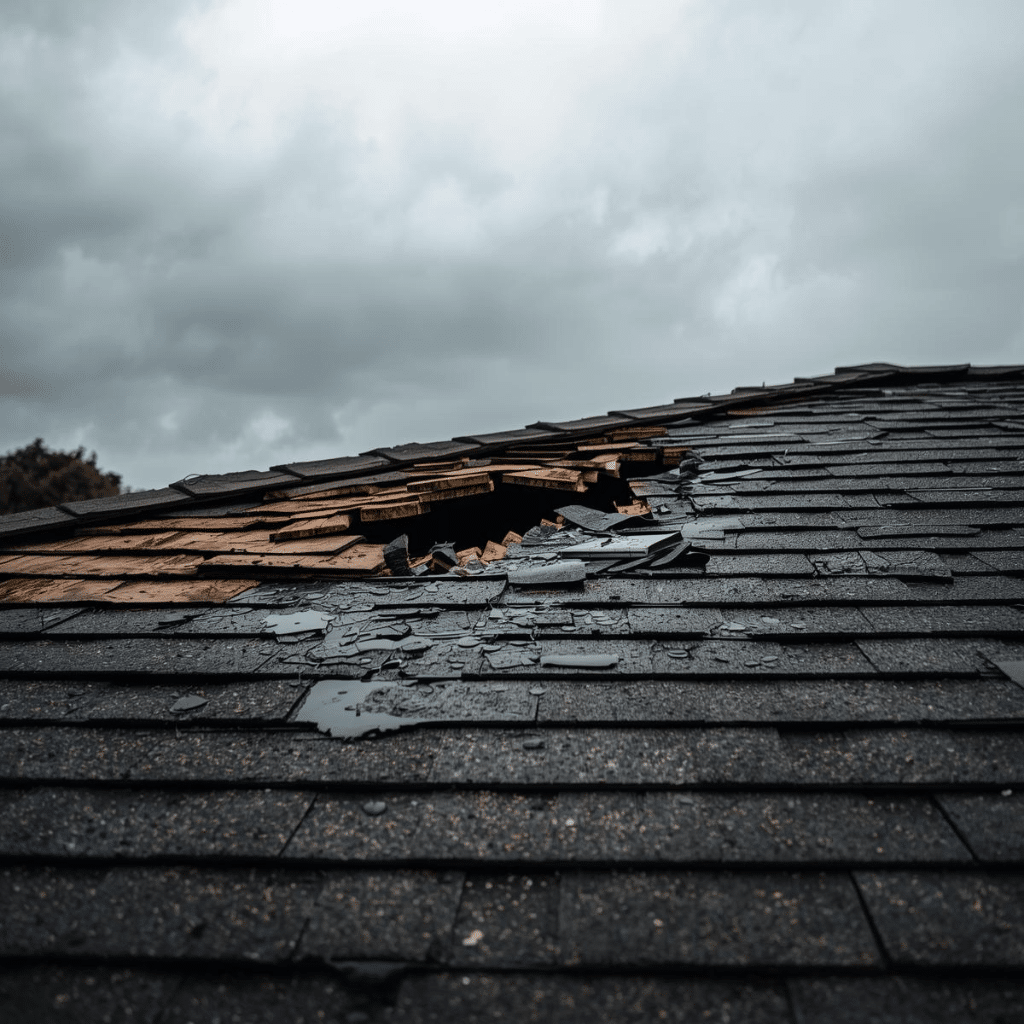
Missing shingles expose the underlayment and decking to water damage. According to GAF’s roof damage guide, if your roof isn’t very old and you spot a few loose or damaged shingles, you may be able to just replace them. But for broader or more extensive damage, it may be time for a new roof.
Look for shingles in your yard after storms, visible gaps in the roof surface, and cracked or broken pieces still attached but clearly damaged.
Curling and Buckling Shingles
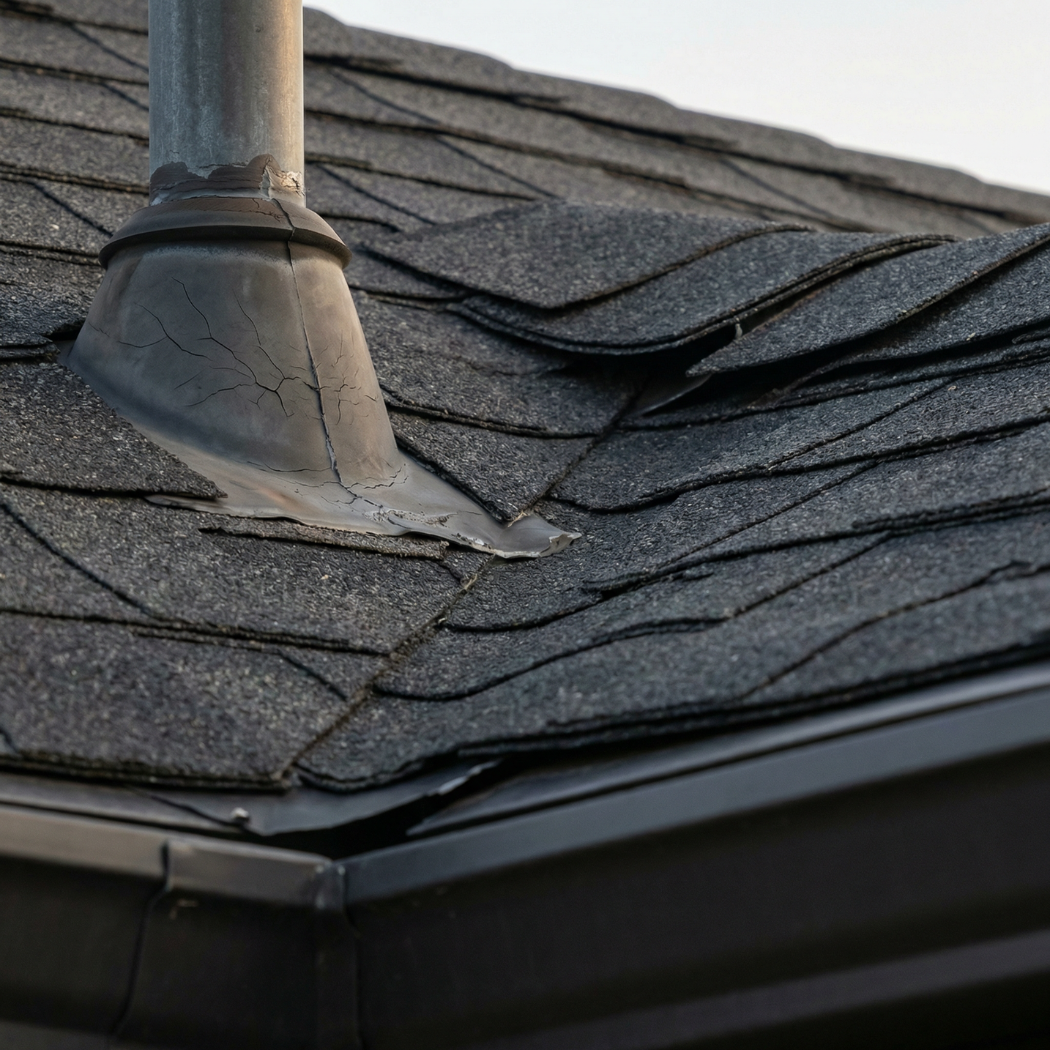
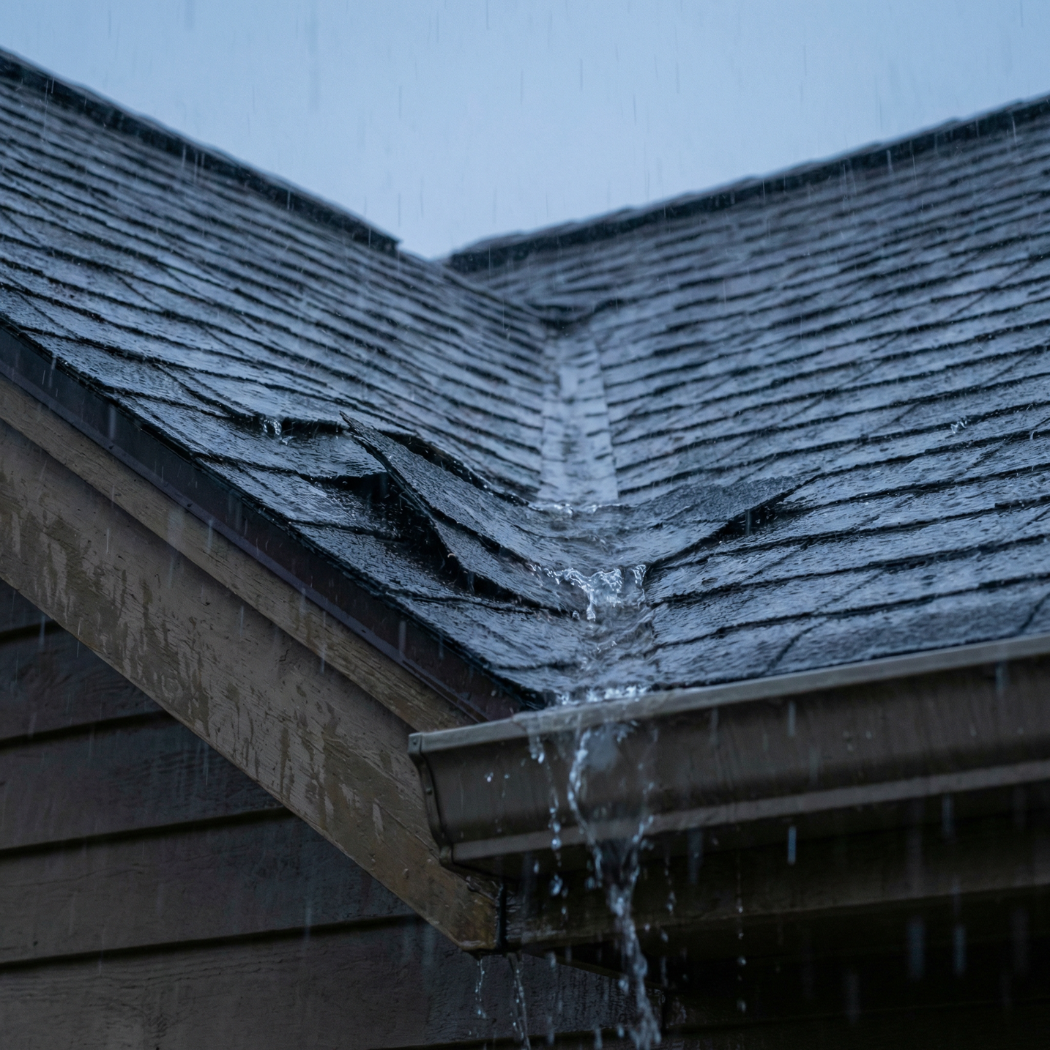
Curling happens when shingle edges turn upward. Buckling creates a wavy, distorted appearance where shingles push up in the middle. Both indicate the shingles are past their useful life.
Cupped shingles with concave centers, wavy surfaces, and ragged or curled shingle edges are warning signs your roof needs replacement. These shingles can’t properly seal against wind and rain.
Granule Loss
Shingles are coated with protective granules that block UV rays and provide fire resistance. Some granule loss is normal, especially on new roofs. But excessive loss indicates serious aging.
Check your gutters and downspouts. A few granules are normal. Large piles of granules, or visible bald spots on shingles where the dark asphalt mat shows through, mean the shingles have lost their protective coating and are deteriorating rapidly.
Sagging Roof Deck
A sagging roofline is an emergency. This indicates structural problems with the decking or framing, possibly from long-term water damage, rot, or inadequate support.
If you notice any visible sag or dip in your roofline, contact a professional immediately. This isn’t a repair situation. It’s a safety concern that requires prompt attention.
Damaged Flashing
Flashing seals the joints around chimneys, vents, skylights, and where different roof planes meet. Damaged, rusted, or missing flashing is a common leak source.
Look for lifted edges, rust stains, gaps, or missing sections. Flashing repairs are relatively inexpensive, but ignored flashing damage leads to water infiltration and much costlier problems.
| Exterior Sign | Severity | Typical Action |
|---|---|---|
| Few missing shingles | Minor | Repair |
| Widespread shingle damage | Major | Likely replace |
| Curling/buckling throughout | Major | Replace |
| Heavy granule loss | Moderate to Major | Professional assessment |
| Sagging roofline | Emergency | Immediate professional inspection |
| Damaged flashing | Minor to Moderate | Repair (unless widespread) |
Interior Warning Signs: Check Your Attic
Your attic tells the story of your roof’s condition. Many problems show up inside before they’re visible outside.
Water Stains and Active Leaks
Brown spots or rings on ceilings and walls indicate water intrusion. Fresh stains mean active leaks. Old stains might indicate past problems that were fixed, but they could also signal ongoing issues.
As catching roof leaks early is critical, unresolved roof leaks can lead to moisture damage, mold, and eventually structural damage, potentially even requiring a total roof replacement. The average cost for a roof repair or replacement will typically be lower the sooner you identify and resolve the problem.
Daylight Through Roof Boards
Go into your attic during the day. Turn off any lights and let your eyes adjust. If you can see daylight coming through the roof boards, you have gaps that are letting in water.
Small pinpoints of light around nails are less concerning than larger gaps or areas where you can see actual holes in the decking.
Damp or Wet Insulation
Feel your attic insulation. Wet or damp insulation indicates roof leaks. Compressed or matted insulation has lost its effectiveness and may indicate long-term moisture problems.
Water-damaged insulation should be replaced even after the roof is fixed, as it loses its insulating properties and can harbor mold.
Mold, Mildew, and Musty Odors
Musty smells in your attic suggest moisture problems and potential mold growth. Dark staining on wood surfaces, fuzzy growth, or visible mold all require immediate attention.
Mold is both a health hazard and an indicator of ongoing water intrusion. Fix the roof problem first, then address the mold.
Excessive Attic Heat
If your attic reaches 150°F or higher on summer days, you have ventilation problems. Poor ventilation accelerates shingle aging from underneath and can void manufacturer warranties.
Proper attic ventilation can reduce cooling costs by 10-15% and significantly extend roof life.
The Age Factor: When Time Alone Calls for Replacement
Roof age is the single most important factor in the repair vs. replace decision.
| Shingle Type | Expected Lifespan | Replace Window |
|---|---|---|
| 3-Tab Shingles | 15-20 years | 12-18 years |
| Architectural Shingles | 25-30 years | 20-25 years |
| Premium Architectural | 30-40 years | 25-35 years |
| Metal Roofing | 40-70 years | 35-60 years |
If your roof is under 10-12 years old and has isolated damage, repair almost always makes sense. Between 12-20 years, the decision depends on the extent of damage and overall condition. Over 20 years with any significant issues, replacement is usually the better investment.
Missouri’s extreme weather, with hot summers, cold winters, hail, and high winds, puts additional stress on roofing materials. Roofs in our region often don’t reach the top end of manufacturer lifespan estimates.
The 25-30% Rule: A Clear Decision Framework
Roofing professionals use a simple guideline: if damage affects more than 25-30% of your roof’s surface, replacement is typically more cost-effective than repair.
Why This Threshold Matters
Repairing more than a quarter of your roof creates several problems. Matching old and new shingles is difficult because colors fade over time. Multiple repair areas mean multiple potential failure points. And you’re investing significant money in a roof that may need replacement within a few years anyway.
The Cost Comparison Test
Apply this formula to any repair estimate:
- Repair cost less than 30% of replacement cost: Repair makes sense
- Repair cost 30-50% of replacement cost: Consider replacement
- Repair cost more than 50% of replacement cost: Replace
For example, if a full replacement would cost $12,000 and the repair estimate is $2,000, repair makes sense. But if the repair estimate is $5,000 or more, you’re better off investing in a new roof with a fresh warranty and full remaining lifespan.
Multiple Leaks: The Replacement Signal
A single leak often indicates a localized problem that’s easily repaired. Multiple leaks tell a different story.
If you have leaks in three or more separate areas of your roof, you’re dealing with systemic failure, not isolated damage. The underlayment may be degraded throughout. The decking could have widespread moisture damage. The shingles have likely reached the end of their useful life.
Spot-repairing multiple leaks rarely solves the underlying problem. Within months or years, new leaks typically appear in different locations. Full replacement addresses the root cause.
Repair Frequency: The Warning Pattern
How often have you had repairs in the past few years?
If this is your first repair in many years and the damage is isolated, repair is reasonable. But if you’ve had the roofer out multiple times, or you’re calling about new problems every year or two, your roof is telling you something.
Frequent repairs indicate a roof that’s systematically failing. Each repair buys less time than the last. At some point, the cumulative repair costs exceed what replacement would have cost, and you still end up needing a new roof.
What Professional Inspectors Find That You Can’t
A thorough roof assessment from a qualified contractor reveals problems invisible to homeowners.
Hidden Damage Assessment
Professional inspectors safely access your roof and examine areas you can’t see from the ground:
- Condition of underlayment beneath shingles
- Deck integrity and moisture damage
- Flashing condition at all penetrations
- Nail pops and fastener failures
- Ventilation adequacy
Specialized Tools
Professionals use equipment that provides objective data:
- Infrared thermal imaging detects temperature variations that indicate trapped moisture
- Moisture meters identify water intrusion in decking and framing
- Drones capture detailed images of hard-to-reach areas
Code and Warranty Considerations
Inspectors understand current building codes and manufacturer warranty requirements. They can identify issues that might void warranties or require correction during any repair or replacement work.
Cost Comparison: Repair vs. Replace
Understanding typical costs helps frame your decision.
| Service | Typical Cost Range |
|---|---|
| Minor repair (few shingles) | $150-$400 |
| Moderate repair (section) | $400-$1,500 |
| Major repair (extensive) | $1,500-$3,000+ |
| Full replacement (2,000 sq ft) | $8,000-$15,000 |
| Premium replacement | $15,000-$25,000+ |
Additional costs that might apply to replacement:
- Tear-off of existing roof: $1-$3 per square foot
- Decking replacement: $2-$5 per square foot where needed
- Permit fees: Varies by location
The ROI Perspective
A new roof isn’t just an expense. It’s an investment with measurable returns.
Roof replacement typically delivers 60-85% return on investment at resale. New roofs add $10,000 or more to home value. Energy savings from modern materials and proper ventilation help offset the cost over time.
Consider also the avoided costs: no more repair bills, no emergency tarp situations, no water damage to interiors, and no stress about whether your roof will survive the next storm.
Making Your Spring Decision
Here’s your action plan for spring roof assessment:
Step 1: Ground-level inspection. Walk around your home and look for visible damage, missing shingles, and debris in gutters.
Step 2: Attic check. Look for water stains, daylight, damp insulation, and signs of mold or excessive heat.
Step 3: Review history. Consider your roof’s age, recent repair frequency, and any known storm damage.
Step 4: Apply the decision framework.
- Isolated damage + roof under 15 years = Repair
- Damage over 25-30% of roof = Replace
- Multiple leak locations = Replace
- Repair cost over 30% of replacement = Consider replacement
- Roof over 20 years with any significant issues = Replace
Step 5: Get professional assessment. A qualified inspector provides the definitive answer with details you can’t see yourself.
Frequently Asked Questions
How long can I wait to fix a minor roof problem? Address any roof issue within a few weeks, especially during spring when rain is common. Small problems grow quickly. Missing shingles can lead to water damage within one or two heavy rains.
Will my insurance cover roof replacement? Insurance typically covers damage from sudden events like storms, hail, and wind. It doesn’t cover normal wear and aging. Document storm damage promptly and file claims within your policy’s deadline, typically 60 days for most Missouri policies.
Can I just repair part of my roof and replace the rest later? Yes, but this creates color-matching challenges and may not be the most cost-effective approach. Get estimates for both options and compare the long-term value.
Should I get a second opinion on repair vs. replace recommendations? Absolutely. Reputable contractors welcome second opinions. If one contractor recommends replacement and another suggests repair, ask each to explain their reasoning. The details of their assessment often reveal who’s giving you better advice.
Is spring really the best time for roof work? Spring offers ideal conditions: moderate temperatures for proper shingle sealing, time before severe weather season, and good contractor availability. Late summer and fall are also excellent. Avoid winter replacements in Missouri if possible.
Key Takeaways
- Age matters most. Roofs over 20 years with any significant issues typically need replacement, not repair.
- Apply the 25-30% rule. Damage covering more than a quarter of your roof usually means replacement is more cost-effective.
- Multiple leaks signal systemic failure. Three or more leak locations indicate problems that spot repairs won’t solve.
- Compare costs carefully. If repair costs exceed 30% of replacement cost, you’re better off investing in a new roof.
- Spring timing is strategic. Assess and address roof issues now, before Missouri’s severe weather season peaks.
- Professional inspection provides clarity. When in doubt, an expert assessment reveals hidden problems and gives you confident answers.
Ready for a Professional Assessment?
You’ve seen the warning signs. You understand the decision framework. Now you need a clear answer for your specific situation.
Roov provides free, no-obligation roof evaluations that give you the complete picture. We’ll assess your roof’s condition, identify any damage, and provide honest recommendations. If repair makes sense, we’ll tell you. If replacement is the better investment, we’ll explain exactly why.
What you get with Roov:
- Comprehensive inspection with detailed findings
- Honest assessment: repair recommendation when appropriate
- Clear explanation of options and costs
- GAF Master Elite warranty options (top 2% of contractors nationwide)
- Help navigating insurance claims if storm damage is involved
???? Call: 417-370-1259 ✉️ Email: [email protected] ???? Visit: roovmo.com
We serve Nixa, Ozark, Springfield, Branson, Republic, Bolivar, and all of Southwest Missouri. Schedule your free spring inspection today and get the answers you need before storm season arrives.
Roov | Roofing with a Purpose | Serving Southwest Missouri