
Spring in Southwest Missouri brings more than blooming flowers. It is your home’s most important roof maintenance window. The months between winter’s end and summer’s storms give you a critical opportunity to catch small problems before they become expensive emergencies. This guide walks you through everything you need to protect your roof this spring.
TLDR: Spring maintenance costs $300 to $500 annually and can prevent $25,000 or more in emergency repairs. Focus on gutter cleaning, debris removal, and a professional inspection before April storm season arrives. March and early April offer the best weather and contractor availability in Southwest Missouri.
Your roof just survived another Missouri winter. Freeze-thaw cycles stressed the shingles. Ice may have formed dams at the edges. Snow weight tested every seam and seal. Now spring rains are coming, and any weakness winter created will show itself as a leak.
The question is not whether your roof needs attention after winter. The question is whether you find the problems now or discover them during a May thunderstorm when water pours through your ceiling.
Why Spring Is the Most Important Season for Your Roof
Missouri’s climate creates a unique maintenance timeline. Winter damages your roof. Summer storms test it. Spring is your only real window to prepare.
According to Missouri spring storm season data, Southwest Missouri experiences 50 to 70 thunderstorm days annually, with April through June bringing the most severe weather. Missouri typically experiences 35 to 45 tornadoes per year, with May being the peak month. This means homeowners in Marshfield, Hollister, and surrounding communities have roughly 8 to 10 weeks between winter’s end and storm season’s peak.
| Season | What Happens to Your Roof | Action Required |
|---|---|---|
| Winter | Freeze-thaw damage, ice dams, snow weight stress | Damage accumulates |
| Spring | Damage becomes visible, weather allows repairs | Critical maintenance window |
| Summer | Storms test every weakness, emergency repairs needed | React to problems |
| Fall | Prepare for winter, limited repair window | Secondary maintenance |
Spring maintenance is not optional in Missouri. It is the difference between a $400 inspection and a $15,000 emergency replacement.
The Post-Winter Assessment
Winter in the Ozarks creates specific roof problems:
Freeze-thaw cycles cause shingles to expand and contract repeatedly. This loosens nails, cracks brittle materials, and breaks seals between shingle layers.
Ice dams form when heat escapes through poorly insulated attics, melting snow that refreezes at the cold roof edge. The ice backs up under shingles and causes leaks that may not appear until spring rains.
Snow weight stresses the entire roof structure. A foot of wet snow can weigh 20 pounds per square foot. Older roofs or those with existing damage may develop sags or cracks.
Pro tip: Walk around your home in early March and look for shingles in the yard. Winter wind often tears away damaged shingles that were ready to fail.
The Cost of Waiting: Preventive vs. Emergency Repairs
The financial case for spring maintenance is overwhelming. Here is what the numbers show:
| Maintenance Approach | Annual Cost | Potential Emergency Cost | 10-Year Difference |
|---|---|---|---|
| Preventive (spring inspection + minor repairs) | $300-$500 | Avoided | $3,000-$5,000 total |
| Reactive (wait for problems) | $0 upfront | $5,000-$25,000+ per incident | $15,000-$50,000+ |
| Neglect (no maintenance) | $0 | Full replacement $15,000-$30,000 | Total roof loss |
A properly maintained roof lasts 25 to 30 years. A neglected roof may fail in 15 years or less. That is $15,000 to $30,000 in lost value from skipping $500 annual maintenance.
Real example: A Rogersville homeowner skipped inspections for three years. A small flashing leak went unnoticed until spring rains caused ceiling collapse in the master bedroom. The repair bill totaled $8,400 for the roof plus $4,200 for interior damage. A $350 inspection would have caught the flashing problem when it was a $200 repair.
Why Emergency Repairs Cost More
When your roof fails during a storm, you pay premium prices:
- Urgency markup: Contractors charge 1.5 to 3 times normal rates for emergency service
- Limited options: You cannot shop around when water is coming through the ceiling
- Secondary damage: Every hour of delay means more interior damage
- Temporary repairs: Emergency tarping adds cost without fixing the problem
- Insurance complications: Neglected maintenance can affect claim approval
Spring maintenance eliminates this entire cycle.
Your Complete Spring Roof Inspection Checklist
Use this checklist in March or early April before storm season begins:
Ground-Level Inspection (Do This Yourself)
Walk around your home and look up at the roof with binoculars:
- [ ] Missing, cracked, or curling shingles
- [ ] Shingles in the yard or flower beds
- [ ] Visible moss, algae, or dark streaks
- [ ] Sagging sections or uneven lines
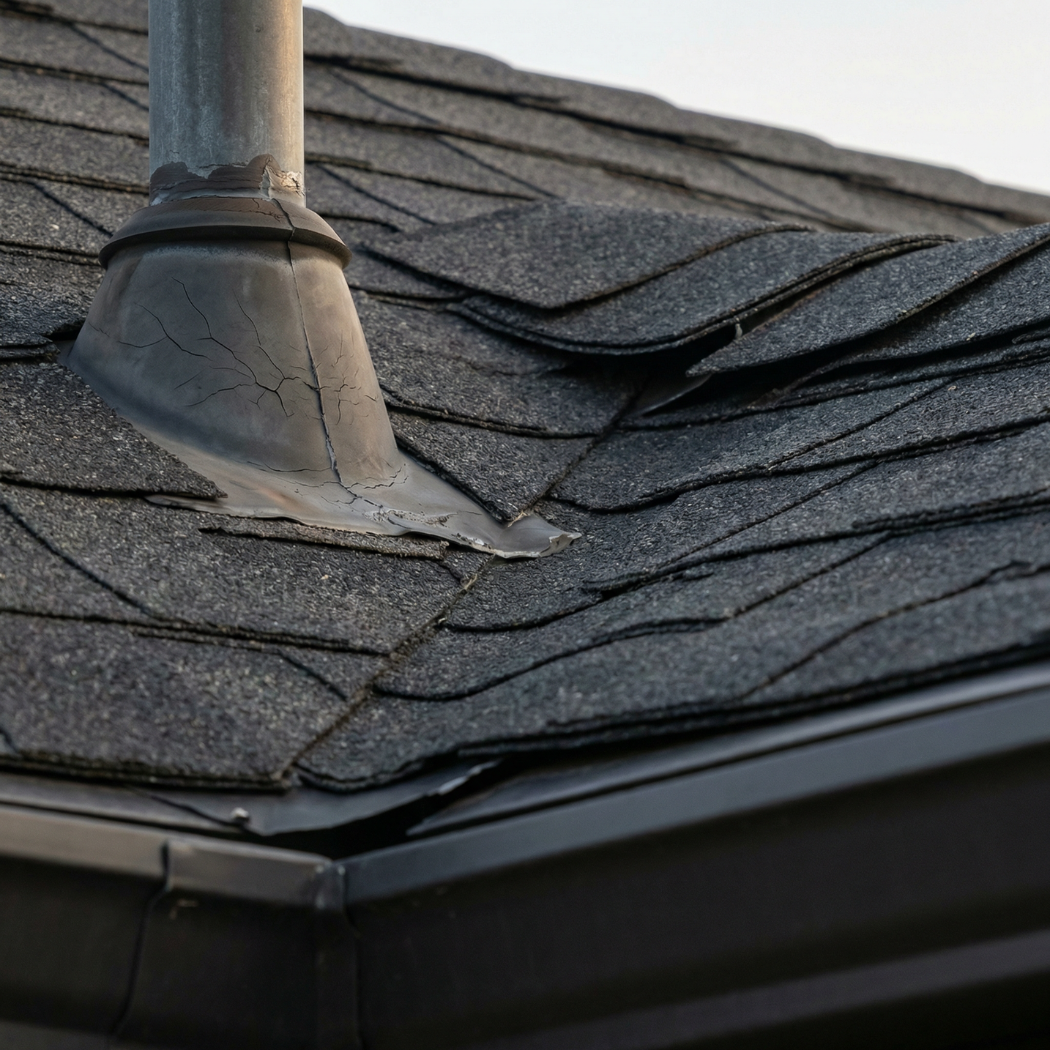
- [ ] Damaged or missing flashing around chimneys
- [ ] Rust or damage on metal vents and pipes
- [ ] Gutter condition (sagging, pulling away, visible damage)
Gutter and Drainage Check
- [ ] Gutters clear of leaves and debris
- [ ] Downspouts draining away from foundation
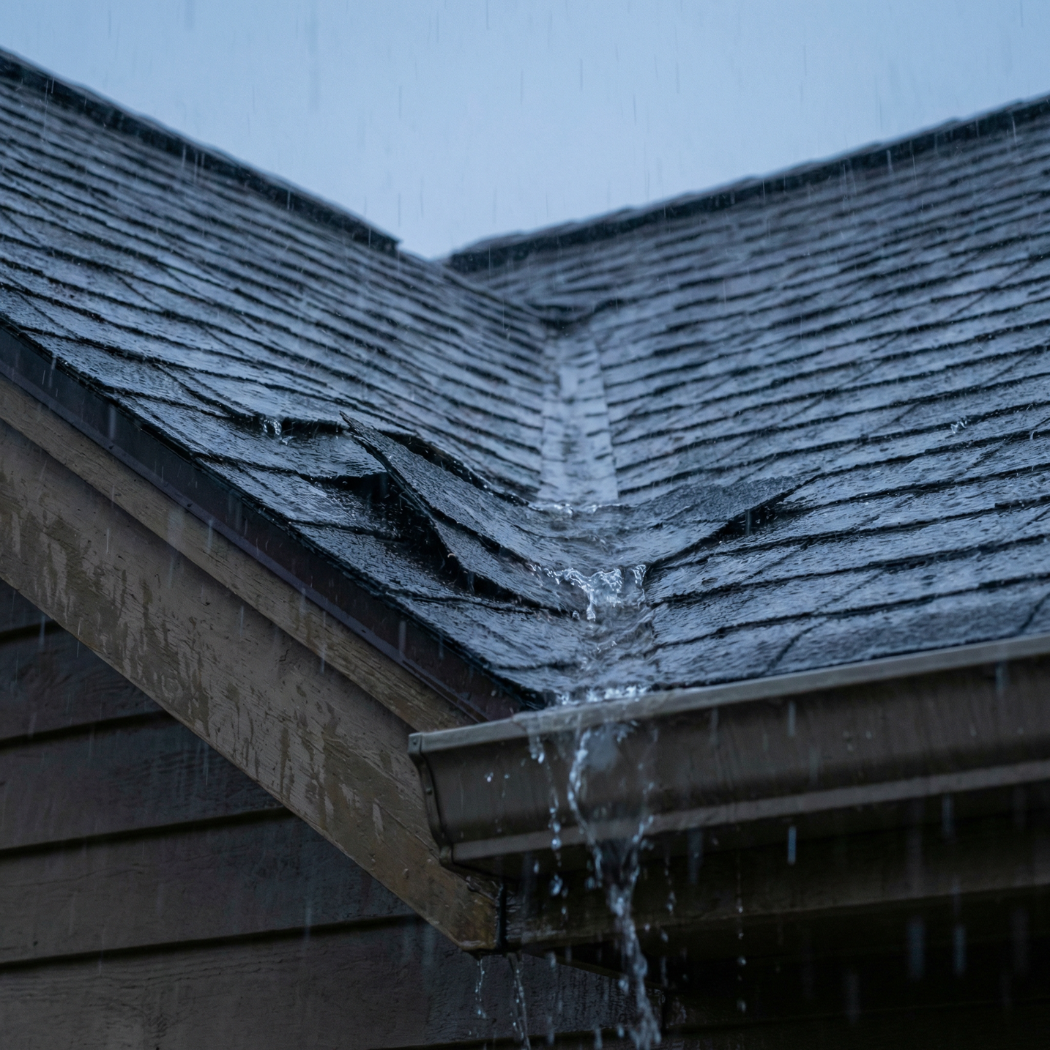
- [ ] No standing water in gutters after rain
- [ ] Gutter seams not leaking
- [ ] Splash blocks in place at downspout exits
Attic Inspection (During Daylight)
Go into your attic on a sunny day:
- [ ] No daylight visible through roof boards
- [ ] No water stains on rafters or decking
- [ ] Insulation dry and evenly distributed
- [ ] No mold or mildew smell
- [ ] Ventilation clear and functioning
Interior Check
- [ ] No water stains on ceilings, especially near exterior walls
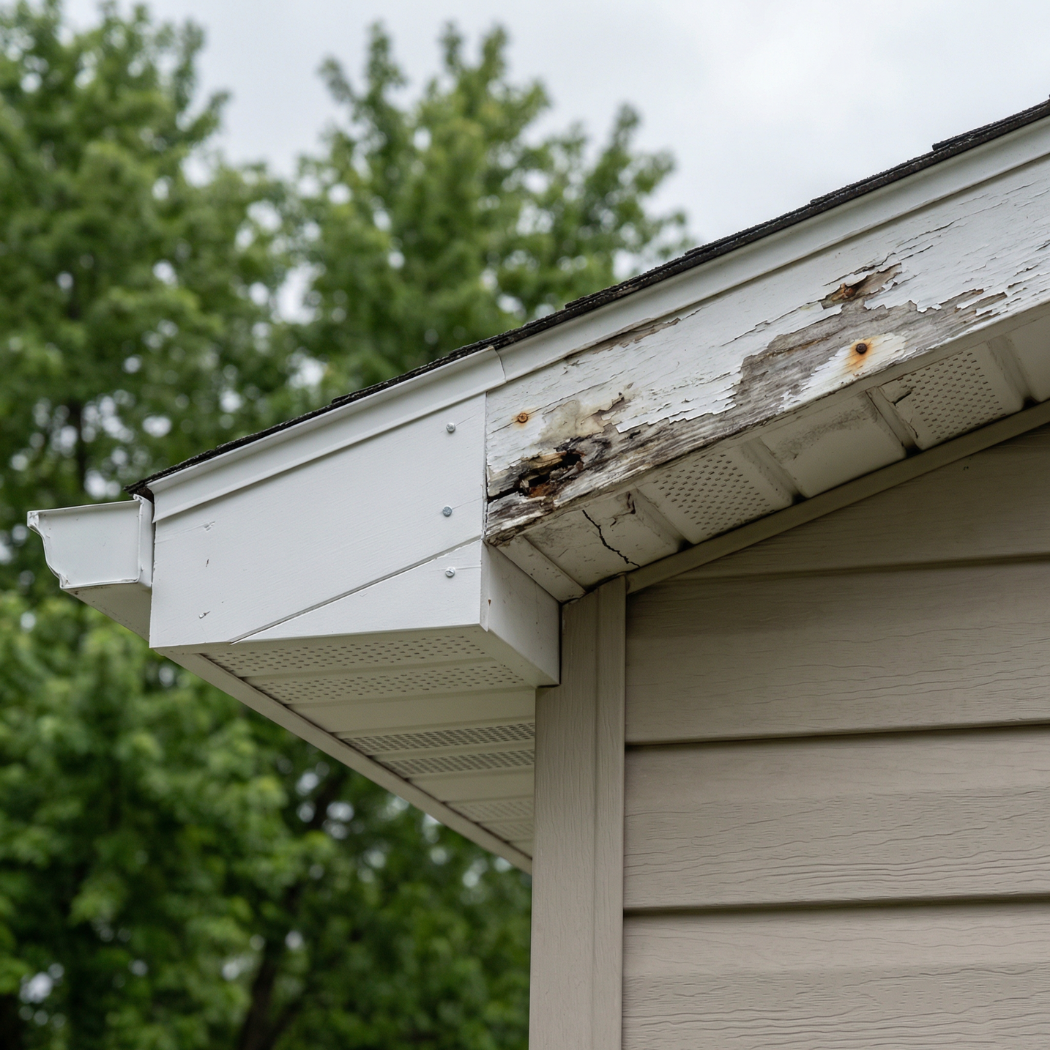
- [ ] No peeling paint near roofline
- [ ] No musty odors in upstairs rooms
- [ ] Bathroom and kitchen exhaust vents functioning
Pro tip: Take photos during your inspection and compare them to last year. Changes over time reveal developing problems.
DIY Spring Maintenance Tasks Every Homeowner Can Do
These eight tasks are safe for homeowners and make a real difference:
Task 1: Clean Your Gutters
Clogged gutters cause water to back up under shingles and rot fascia boards. Spring cleaning is essential.
How to do it:
- Set up a sturdy ladder on level ground
- Have someone hold the ladder base
- Wear work gloves
- Remove debris by hand into a bucket
- Flush gutters with a garden hose
- Check that downspouts flow freely
Task 2: Trim Overhanging Branches
Branches that touch your roof scratch shingles and drop debris. They also give squirrels and raccoons roof access.
How to do it:
- Maintain 3 feet minimum clearance from roof
- Use a pole saw for branches you can reach from ground
- Hire an arborist for large branches or trees near power lines
Task 3: Remove Roof Debris
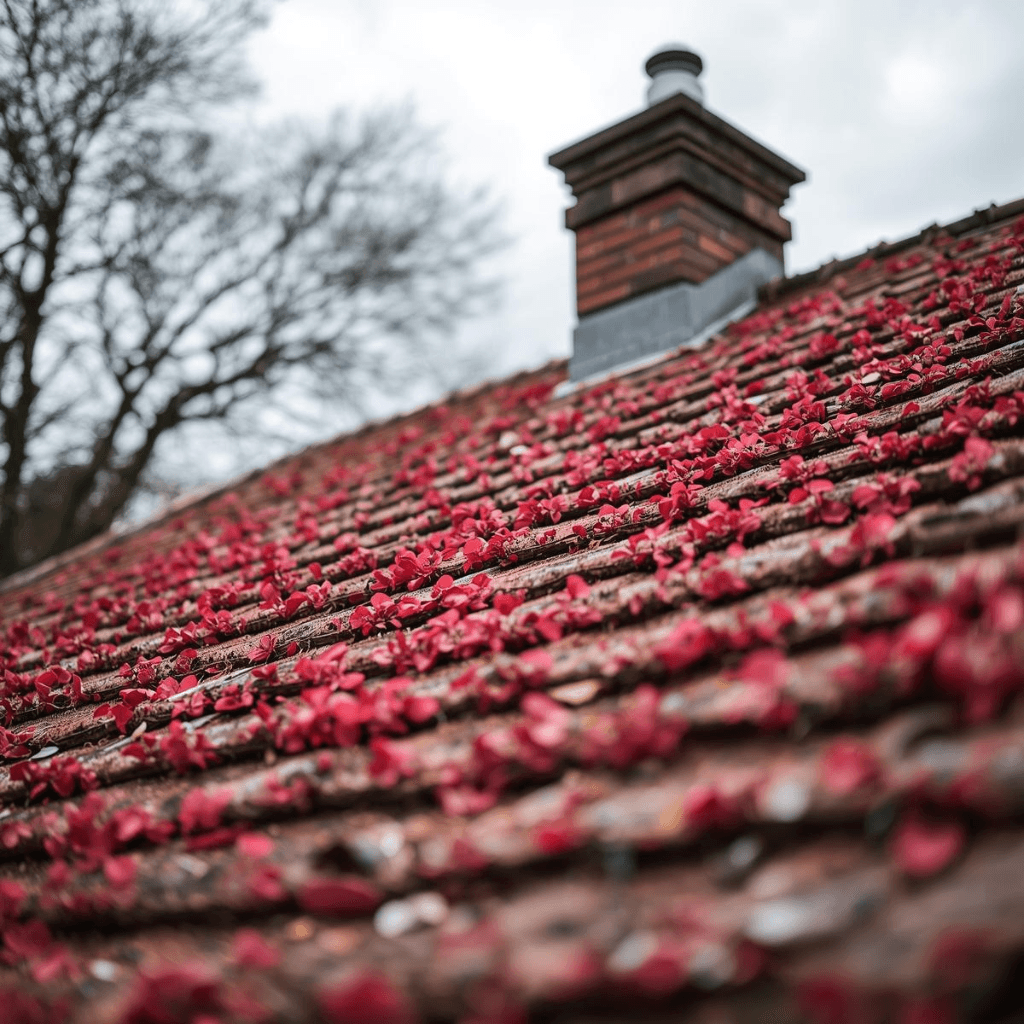
Leaves, sticks, and pine needles trap moisture against shingles.
How to do it:
- Use a leaf blower from the ground if possible
- For debris in valleys, use a soft push broom from a ladder
- Never use a pressure washer on your roof
- Work from top to bottom so debris falls away
Task 4: Clean Moss and Algae
Those dark streaks are algae. Green patches are moss. Both hold moisture and damage shingles over time.
How to do it:
- Mix equal parts water and white vinegar in a pump sprayer
- Apply to affected areas on a cloudy day
- Let sit for 30 minutes
- Rinse gently with garden hose
- Consider zinc strips at the ridge to prevent regrowth
Task 5: Inspect and Clean Dryer Vents
Dryer vents that exit through the roof can become clogged with lint, creating fire hazards and moisture problems.
How to do it:
- Disconnect dryer and clean the vent hose
- Check exterior vent cap for blockages
- Ensure flapper opens and closes freely
Task 6: Check Attic Ventilation
Proper ventilation prevents moisture buildup and ice dams. Federal attic ventilation guidelines recommend balanced intake and exhaust ventilation for optimal roof performance.
How to do it:
- Verify soffit vents are not blocked by insulation
- Check that ridge vents are clear
- Look for condensation on rafters (sign of poor ventilation)
Task 7: Inspect Visible Flashing
Flashing seals the gaps around chimneys, vents, and skylights.
How to do it:
- Use binoculars to examine flashing from the ground
- Look for rust, gaps, or lifted edges
- Note any caulk that appears cracked or missing
Task 8: Document Everything
Good records help with insurance claims and contractor conversations.
How to do it:
- Take dated photos of your entire roof
- Note any concerns or changes
- Keep receipts for all maintenance
- Store records with your homeowner’s insurance documents
When to Call a Professional Roofer
DIY maintenance handles routine care, but some situations require professional expertise:
| Situation | Why Professional Help Is Needed |
|---|---|
| Multiple missing shingles | Indicates underlying damage pattern |
| Sagging roof sections | Structural concern requiring assessment |
| Persistent leaks | Source may not be obvious location |
| Visible daylight in attic | Active breach in roof system |
| Roof older than 15 years | Professional assessment of remaining life |
| After any significant storm | Hidden damage detection |
| Before selling your home | Documentation for buyers |
Real example: A Lebanon homeowner noticed three missing shingles and planned to replace them himself. A professional roof assessment revealed the missing shingles were symptoms of widespread nail pops across the entire south slope. The underlying problem required professional repair, but catching it early saved thousands compared to waiting for leaks.
What a Professional Inspection Includes
A thorough spring inspection from a qualified contractor covers:
- Complete roof surface examination
- Flashing inspection at all penetrations
- Gutter and drainage assessment
- Attic ventilation evaluation
- Structural integrity check
- Detailed written report with photos
- Repair recommendations with estimates
- Remaining roof life assessment
Roov provides thorough property evaluations throughout Southwest Missouri with detailed documentation you can use for insurance purposes or home sale preparation.
Spring Storm Prep: Getting Ready for Missouri Weather
Once maintenance is complete, prepare for the storms ahead:
Pre-Storm Checklist
- [ ] Know your insurance deductible and coverage type
- [ ] Have your roofer’s contact information saved
- [ ] Document your roof’s current condition with photos
- [ ] Clear yard of items that could become projectiles
- [ ] Trim dead branches that could fall on roof
- [ ] Know where to find weather alerts
Emergency Supply Kit
Keep these items accessible:
- Tarps large enough to cover damaged sections
- Duct tape and roofing tape
- Flashlight and batteries
- Your roofer’s phone number
- Insurance policy information
- Ladder (stored safely)
Pro tip: Schedule your spring inspection for March. This gives time for any needed repairs before April storms arrive and ensures contractor availability before the busy season.
Common Spring Roofing Problems in Southwest Missouri
Our regional climate creates specific issues:
Ice Dam Aftermath
Ice dams that formed in winter may have pushed water under shingles. The damage often does not appear until spring rains find the compromised areas.
Signs: Water stains on exterior walls, peeling paint near roofline, wet insulation in attic edges.
Hail Damage Discovery
Winter storms sometimes include hail that goes unnoticed. Spring inspections often reveal bruised or cracked shingles from forgotten storms.
Signs: Circular marks on shingles, granules in gutters, dented metal vents or flashing.
Moss and Algae Growth
Missouri’s humidity encourages biological growth on north-facing roof slopes. Spring warmth accelerates the problem. According to roof moss removal guidelines, moss and algae can reduce shingle life by holding moisture against the surface.
Signs: Green patches (moss), dark streaks (algae), lifted shingle edges where moss has grown underneath.
Flashing Failures
Temperature swings stress the seals around chimneys, vents, and skylights. Spring is when these failures often become apparent.
Signs: Visible gaps, rust stains, cracked caulk, water stains near fireplaces or bathroom vents.
Real example: A Willard homeowner discovered algae covering much of the north roof slope during spring cleaning. Left untreated, the algae would have held moisture against shingles and shortened roof life by years. A zinc strip installation for $400 solved the problem permanently.
FAQs About Spring Roof Maintenance
When is the best time for spring roof maintenance in Missouri? March through early April offers ideal conditions. Weather is mild enough for repairs, and you complete work before storm season peaks in late April through June.
How much does a professional roof inspection cost? Reputable companies like Roov offer free inspections. Be cautious of companies charging high inspection fees, as this can signal a scam operation.
Can I walk on my roof to inspect it? Walking on your roof is dangerous and can damage shingles. Use binoculars from the ground and leave roof walking to professionals with proper safety equipment.
How often should gutters be cleaned? At minimum, clean gutters twice yearly: once in spring after trees finish dropping seeds and once in fall after leaves drop. Homes near many trees may need quarterly cleaning.
What causes those black streaks on my roof? Black streaks are algae (Gloeocapsa magma) that feed on limestone filler in asphalt shingles. While not immediately damaging, algae holds moisture and shortens roof life over time.
Should I repair or replace missing shingles myself? Replacing one or two shingles is manageable for handy homeowners. Multiple missing shingles often indicate underlying problems requiring professional assessment.
How do I know if my roof ventilation is adequate? Signs of poor ventilation include ice dams in winter, excessive attic heat in summer, moisture on rafters, and premature shingle aging. A professional can calculate whether your ventilation meets building codes.
What is the most important spring maintenance task? Gutter cleaning. Clogged gutters cause more preventable roof damage than any other single factor by allowing water to back up under shingles.
How long does a roof inspection take? A thorough professional inspection takes 45 minutes to an hour. Inspectors who spend only 15 minutes are not being thorough.
Will my insurance cover spring storm damage? Most Missouri homeowners policies cover wind and hail damage. Document your roof’s condition before storm season so you can demonstrate that damage occurred during a specific storm. Roov helps homeowners work through the insurance process after storm damage.
Key Takeaways
- Spring is your critical maintenance window between winter damage and summer storms
- Preventive maintenance costs $300-$500 versus $25,000 or more for emergency repairs
- March through early April offers the best weather and contractor availability
- Eight DIY tasks keep your roof healthy between professional inspections
- Professional inspection catches hidden problems that homeowners miss
- Document your roof’s condition before storm season for insurance purposes
- Clean gutters are the single most important maintenance task
Prepare Your Roof for Storm Season
Spring maintenance is an investment that pays for itself many times over. The small effort now prevents the expensive emergencies later. Missouri weather does not wait, and neither should you.
Roov provides free, no-pressure inspections throughout Southwest Missouri. Our GAF Master Elite certified team identifies winter damage, prepares your roof for storm season, and gives you honest recommendations. We help homeowners in Clever, Forsyth, Springfield, Nixa, and all surrounding communities.
Ready to get your roof inspected before storm season?
Call: 417-370-1259
Email: [email protected]
Visit: roovmo.com
Schedule your spring inspection now while contractor availability is high and weather cooperates.
Disclaimer: Some roof maintenance tasks involve working at heights or on ladders, which can be dangerous. Always prioritize safety. If you are uncomfortable with any task, lack proper equipment, or have a steep or multi-story roof, contact a professional roofer. Roov is not responsible for injuries resulting from DIY maintenance attempts.
Roov | Roofing with a Purpose | Serving Southwest Missouri