
Spring is here, and after a harsh Missouri winter, your home needs roof maintenance. Maybe you’ve spotted a few shingles in the yard. Perhaps there’s moss growing near the chimney. The urge to grab a ladder and handle it yourself is understandable. But before you climb up there, you need to understand something critical: roofing is one of the most dangerous DIY activities a homeowner can attempt.
Every year, thousands of homeowners are seriously injured or killed doing roof work they thought they could handle. Falls from ladders and roofs account for over 164,000 emergency room visits annually. Approximately 300 people die each year from ladder falls alone. And here’s the statistic that should give every DIY-minded homeowner pause: 97% of roofing-related accidents happen at residential properties, not commercial job sites.
This guide clearly separates what you can safely do yourself from what absolutely requires a professional. Following these guidelines protects your safety, your warranty, and your wallet.
TLDR: Homeowners can safely perform ground-level visual inspections, attic checks, gutter cleaning from safe positions, and debris removal from the ground. Never walk on wet, icy, or steep roofs. Never attempt shingle replacement, structural repairs, or any work requiring you to be on the roof surface. DIY roof repairs typically void manufacturer warranties and may invalidate insurance coverage.
Disclaimer: This information is for educational purposes only. Roofing work is dangerous and can cause serious injury or death. Always consult a licensed professional before attempting any roof-related work. Roov assumes no liability for injuries or damages from DIY roofing attempts.
The Real Dangers of DIY Roof Work
Before discussing what you can safely do, let’s be absolutely clear about the risks.
Fall Statistics Are Sobering
Falls are the leading cause of death in the construction industry, and residential roofs are where most non-professional falls occur. The Consumer Product Safety Commission reports that ladder-related injuries send someone to the emergency room every six minutes in the United States.
Most fatal falls occur from heights under 20 feet. Your single-story roof qualifies. The false sense of security from “it’s not that high” contributes to the casualty count.
Why Homeowners Get Hurt
Professional roofers have safety equipment most homeowners don’t own and training most homeowners haven’t received. OSHA requires fall protection systems for anyone working at heights over six feet. This includes harnesses, anchor points, guardrails, and safety nets.
Do you own a roof harness? Do you have properly installed anchor points on your roof? Do you know how to use fall arrest equipment correctly? If you answered no to any of these questions, you’re not equipped to safely work on your roof.
| Risk Factor | Why It’s Dangerous |
|---|---|
| Wet surfaces | Shingles become extremely slippery when wet |
| Steep pitch | Pitches over 4:12 require specialized equipment |
| Morning dew | Invisible moisture creates fall hazards |
| Loose granules | Create unstable footing even on dry days |
| Uneven surfaces | Damaged areas can collapse under weight |
| Ladder instability | Improper setup causes most ladder accidents |
What You CAN Safely Do: Ground-Level Tasks
Several important maintenance tasks can be performed safely without ever leaving the ground. These activities help you monitor your roof’s condition and catch problems early.
Visual Inspections from the Ground
GAF recommends conducting ground-level inspections as a safer alternative to climbing on your roof. Walk around your home’s perimeter and look up. Use binoculars for a closer view of problem areas.
What to look for:
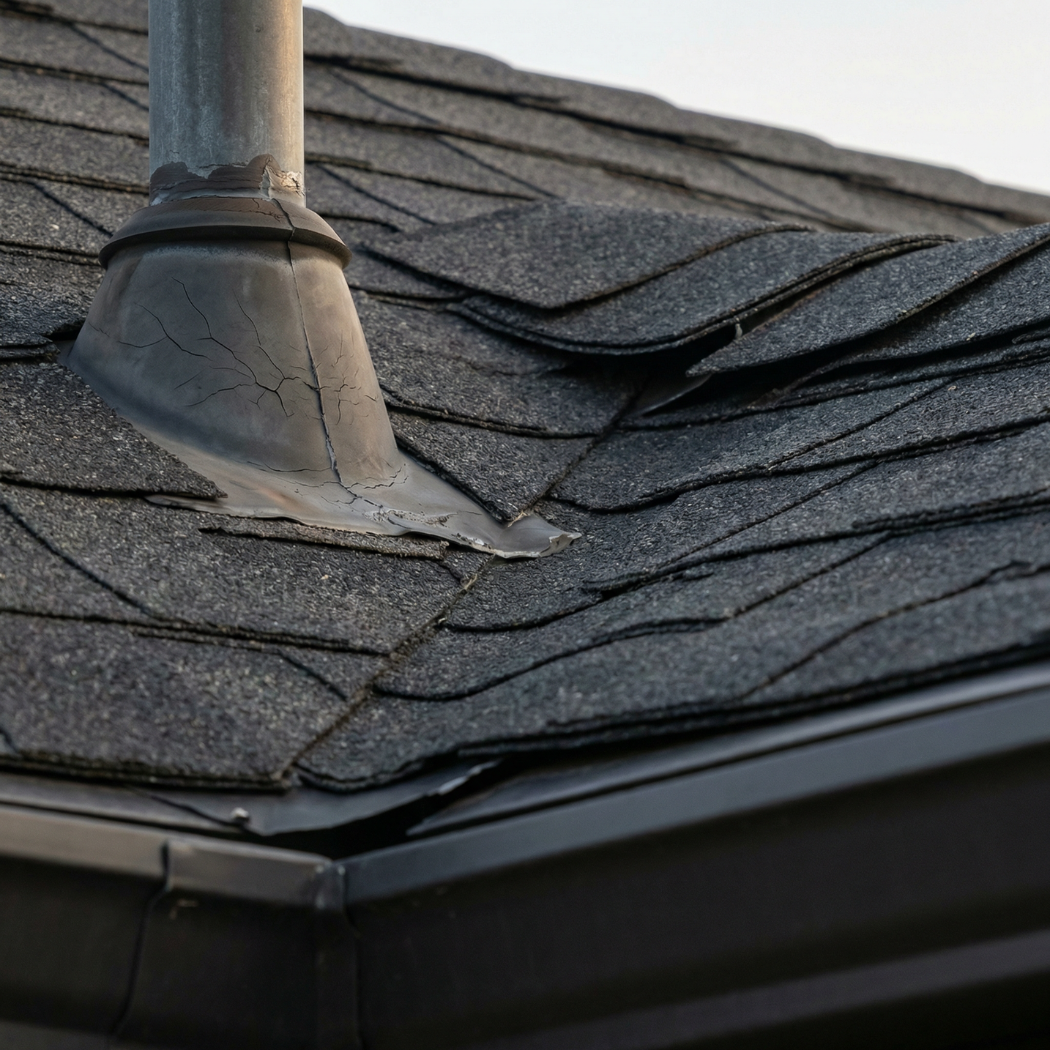
- Missing, cracked, or curling shingles
- Shingles in your yard after storms
- Visible moss, algae, or debris buildup
- Damaged or missing flashing around chimneys and vents
- Sagging areas in the roofline
- Clogged or sagging gutters
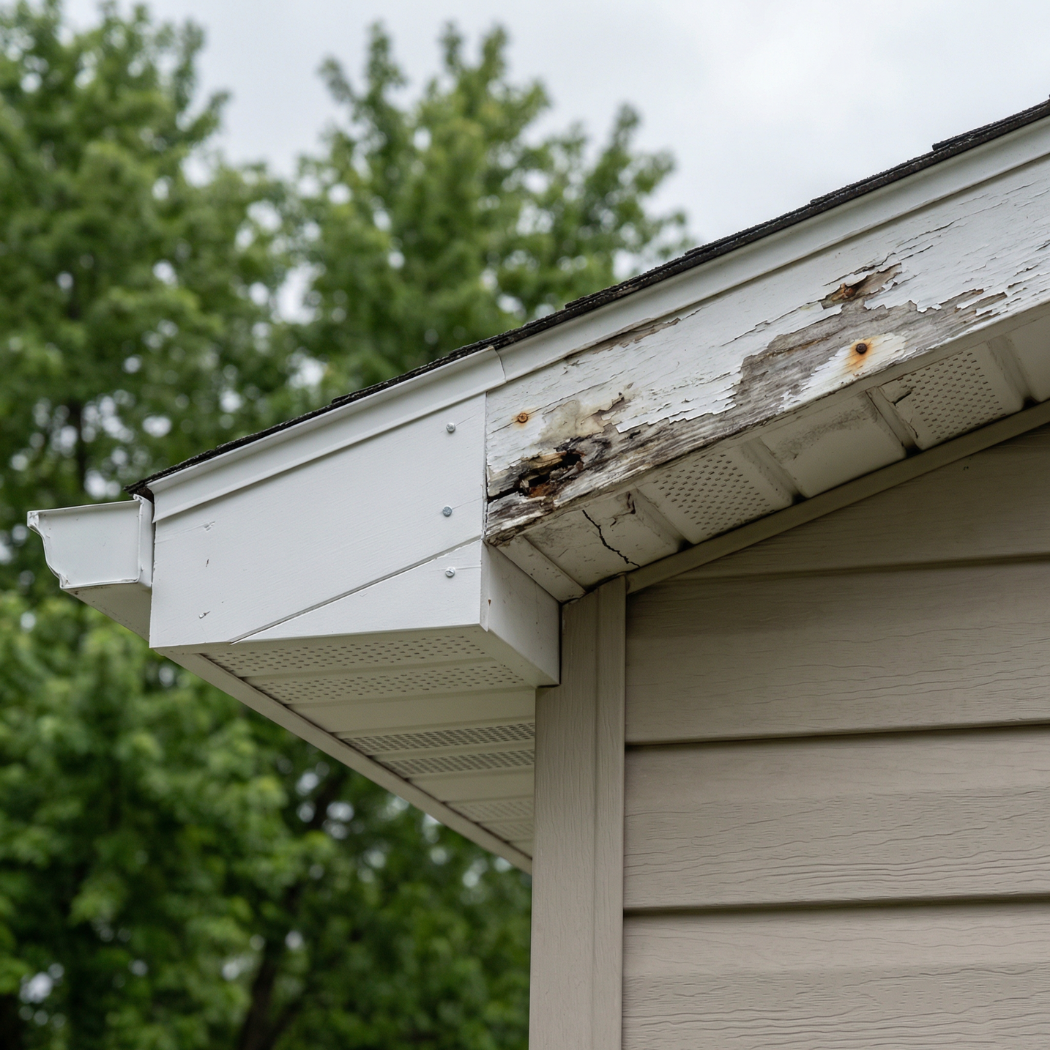
- Damaged soffit or fascia boards
Document what you see with photos. These records help when talking to contractors and filing insurance claims.
Pro tip: Inspect twice a year, once in spring after winter weather and once in fall before winter arrives. Also check after any significant storm.
Attic Inspections
Professional attic inspection is strongly recommended. Your attic tells the story of your roof’s health, but professional inspectors use tools and expertise that homeowners don’t have. Certified attic inspectors use thermal imaging cameras to detect hidden insulation gaps, moisture issues, and heat loss that are invisible to the naked eye. Most professional inspections take 45-60 minutes and include detailed reports with photos and recommendations.
Why professional attic inspections are worth the investment:
- Thermal imaging detects problems hidden behind walls and insulation
- Professional inspectors know building codes and identify code violations
- Inspectors are trained to safely spot hazards that homeowners miss
- Detailed written reports provide documentation for insurance and real estate purposes
- Average professional inspection cost: $200-$500 (often included free with roof inspections)
- Professional findings prevent expensive emergency repairs later
Attic hazards to be aware of (if you decide to do basic checks yourself):
- Falling through ceilings if you step off joists or walkways
- Exposed nails at head and foot level
- Fiberglass insulation irritation (wear long sleeves, gloves, mask, and eye protection)
- Extreme heat in warmer months (heat exhaustion risk)
- Low clearance causing head injuries
- Electrical wiring hazards
- Pests, rodents, or insects
- Mold and mildew health risks
Basic visual checks homeowners can do (ground level safety): If you choose to do only basic visual inspection from safe positions:
- Only step on joists or installed walkways, never on insulation or drywall
- Wear protective gear: mask, gloves, long sleeves, eye protection
- Use a headlamp to keep hands free
- Avoid attic inspections on hot days or when temperature extremes are present
- Never go alone
What to look for during basic checks:
- Water stains on rafters or sheathing
- Daylight visible through roof boards (indicates gaps)
- Damp or wet insulation
- Mold, mildew, or musty odors
- Proper ventilation airflow (should feel air movement near vents)
- Signs of animal intrusion (droppings, nesting materials)
Call a professional immediately if you discover:
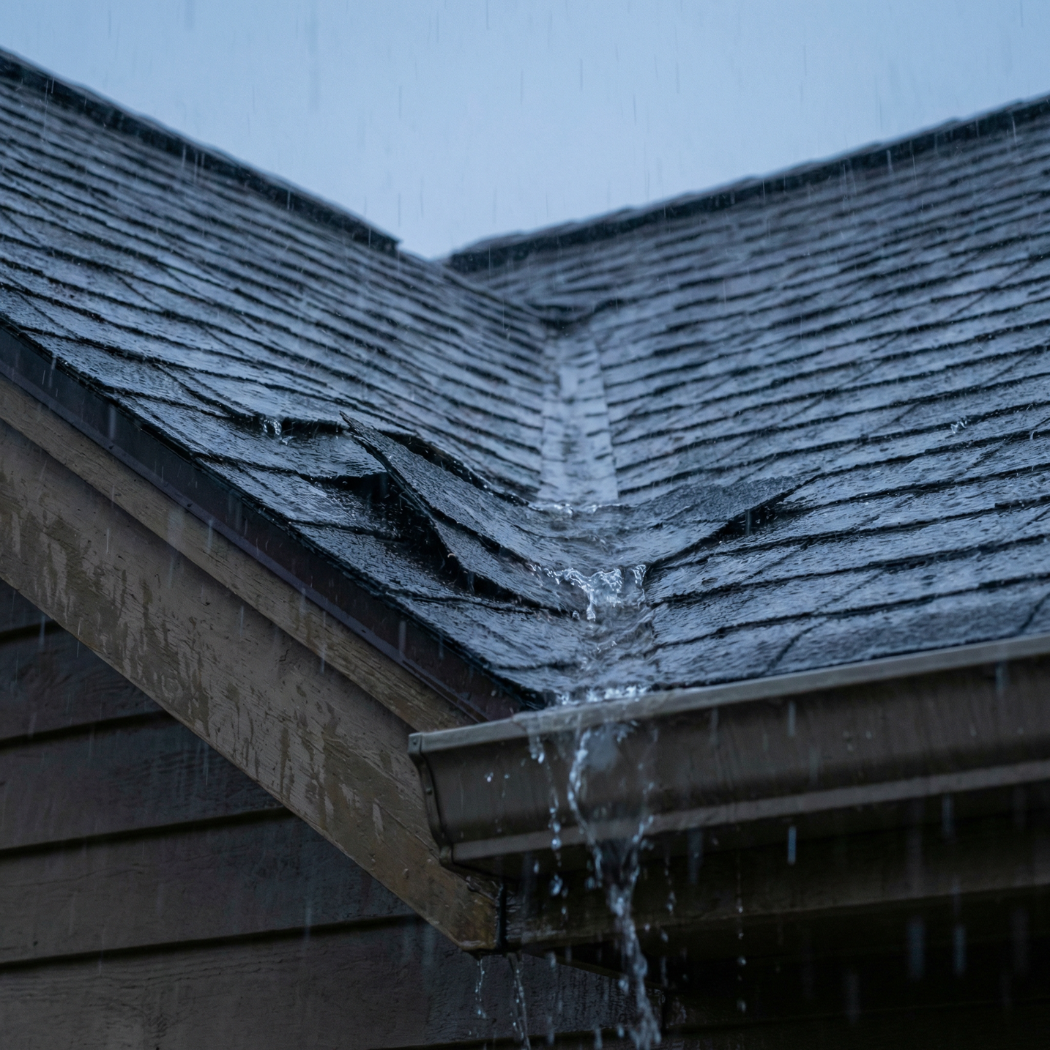
- Active leaks during rain
- Significant mold growth
- Structural damage or sagging
- Electrical problems
- Extensive moisture damage
- Any condition that seems beyond basic maintenance
Professional attic inspection is the safest way to identify problems before they become expensive emergencies.
Debris Removal from the Ground
Branches, leaves, and debris that land on your roof can trap moisture and accelerate damage. You can safely address some of this from ground level.
Safe approaches:
- Use a telescoping pole with a soft brush attachment for smaller branches
- Blow leaves off with a leaf blower from the ground
- Trim overhanging tree branches (hire an arborist for large branches)
- Keep the area around downspouts clear
Never use a pressure washer on your roof. The force damages shingles, strips protective granules, and can void your warranty.
Gutter Cleaning with Extreme Caution
Professional gutter cleaning is the safest and most recommended approach. Most homeowners find professional gutter cleaning safer and far more thorough than DIY attempts. Professional cleaners bring commercial-grade equipment, proper safety training, and insurance coverage that protects both you and them if accidents occur.
Why most homeowners hire professionals for gutter cleaning:
- Ladder-related injuries are among the most common home accidents
- Wet conditions (common during gutter cleaning) dramatically increase fall risk
- Falls from even single-story height can cause serious injuries
- Professional cleaners spot developing problems (sagging gutters, loose fasteners, potential leaks) that homeowners miss
- Team approaches provide additional safety benefits
If you insist on cleaning gutters yourself, meet ALL of these conditions:
- Single-story height only
- Use a sturdy, properly rated ladder
- Have someone spot you at all times
- Never lean or overreach
- Keep three points of contact at all times
- Work only in dry conditions
- Never clean gutters from the roof
- Never use pressure washers on gutters
Most homeowners should hire a professional if:
- Your gutters are above single-story height
- You have any physical limitations or joint problems
- Access requires uneven ground or awkward ladder placement
- You’re uncomfortable on ladders
- You haven’t done this before
- Weather conditions are less than ideal
Professional gutter cleaning typically costs $100-$250 and provides peace of mind knowing the job is done safely with proper insurance protection.
Owens Corning’s maintenance guide emphasizes that safety should be your first priority before starting any roof work and that hiring a roofer is often the best way to ensure the job gets done right without endangering you or a family member.
What You Should NEVER Do: Leave It to Professionals
Certain roof work is simply too dangerous, too technical, or too warranty-sensitive for DIY attempts. No amount of YouTube tutorials makes these tasks safe for untrained homeowners.
Never Walk on Your Roof
This is non-negotiable. Walking on roofs creates multiple dangers.
Fall risk: Even experienced professionals fall. Without proper safety equipment and training, you’re at extreme risk.
Roof damage: Your weight can crack shingles, break seals, and dislodge protective granules. Too much foot traffic damages roofing materials, as GAF notes. Every step you take on your roof potentially shortens its lifespan.
Dangerous conditions: Wet roofs are extremely slippery. Morning dew creates invisible hazards. Steep pitches require specialized equipment. Damaged areas may not support your weight.
Never Attempt Shingle Replacement
Replacing even a single shingle requires:
- Safely accessing the roof
- Properly removing the damaged shingle without damaging surrounding shingles
- Correct nailing patterns and placement
- Proper sealing to maintain water resistance
- Knowledge of how shingles integrate with the overall system
Improper installation creates leak points that may not appear for months or years. By then, significant water damage may have occurred inside your walls and attic.
Never Do Structural Repairs
If you see sagging, soft spots, or evidence of rot, this indicates structural problems beyond cosmetic damage. Structural repairs require:
- Engineering assessment
- Proper load calculations
- Building code compliance
- Permit requirements
- Professional execution
Attempting structural repairs yourself risks catastrophic failure and serious injury.
Never Work Alone
Even professional roofers work in teams. If something goes wrong, having someone present to call for help can mean the difference between a close call and a tragedy.
Never perform any elevated work without someone present who can assist in an emergency.
Never Use Pressure Washers on Shingles
Pressure washing is one of the fastest ways to destroy your roof, void your warranty, and create expensive leaks. High-pressure water causes specific damage that often isn’t visible until significant water damage has already occurred inside your home.
Documented pressure washer damage to roofs:
- Strips protective granules from asphalt shingles (shortens roof life 5-10 years)
- Creates cracks and breaks in ceramic, cement, or slate tiles
- Forces water under shingles, leading to leaks inside attic and walls
- Breaks seals between shingle layers
- Compromises roof flashing seals around vents, skylights, and solar panels
- Causes electrical hazards if water reaches power lines or electrical panels
- Increases fall risk (pressurized blowback can throw you off balance if on ladder)
- Can loosen shingles that appear fine initially but fail during next wind or storm
All roofing manufacturers explicitly void warranties if pressure washers are used. Even contractors using pressure washers on your roof can void your manufacturer warranty coverage. This means that if your roof fails prematurely after pressure washing, you lose coverage and must pay for full replacement out of pocket.
Moss or algae removal: If you have moss or algae growth, hire a professional who uses only soft-wash techniques and manufacturer-approved cleaning solutions. Professional low-pressure washing prevents damage while safely removing growth. Do not attempt pressure washing yourself.
Warranty and Insurance Implications
Note: Warranty terms vary significantly by manufacturer and product. This section provides general examples only. Always review your specific warranty documentation or contact your roofing material manufacturer and contractor for exact coverage conditions and what actions void coverage.
DIY roof work doesn’t just risk your safety. It can cost you thousands in voided warranties and denied insurance claims.
Manufacturer Warranties
Most roofing manufacturer warranties contain specific language about installation and repairs. GAF, Owens Corning, CertainTeed, and other major manufacturers typically require that work be performed by qualified contractors.
What voids warranties:
- DIY repairs of any kind
- Repairs by unlicensed contractors
- Use of non-approved materials or methods
- Improper installation techniques
- Pressure washing
- Walking on shingles (causing damage)
A warranty that covered your $15,000 roof can become worthless from one afternoon of DIY “maintenance.”
Insurance Considerations
Note: Insurance coverage varies significantly by policy, insurer, and state. This section provides general examples only. Contact your insurance agent or review your policy documentation for exact coverage provisions, exclusions, and what maintenance requirements apply to your specific coverage.
Your homeowner’s insurance policy likely contains provisions about maintenance and repairs. Insurance companies may deny claims if:
- Damage resulted from improper DIY repairs
- You failed to use licensed contractors for previous work
- Your maintenance activities caused or worsened the damage
- Work wasn’t performed to code
Before doing any roof work yourself, review your insurance policy carefully. The money you think you’re saving on professional help may cost you far more when a claim is denied.
When to Call a Professional Immediately
Certain situations require immediate professional attention. Don’t wait, don’t attempt temporary fixes, and don’t try to assess the damage yourself from the roof.
Call immediately if you see:
- Active leaks during rain
- Visible holes in the roof
- Significant sagging in the roofline
- Large sections of missing shingles
- Storm damage (hail, wind, fallen trees)
- Water stains spreading on interior ceilings
- Any structural concerns
For storm damage, document what you can see from the ground with photos before calling. This helps with insurance claims. But leave the detailed inspection to professionals who have the equipment and training to assess safely.
Spring Maintenance: The Safe Approach
Spring is the ideal time to assess winter damage and prepare your roof for severe weather season. Here’s how to handle spring maintenance safely.
Your Spring Safety Checklist
Week 1: Ground-level assessment
- Walk your property perimeter
- Document visible damage with photos
- Check for shingles or debris in yard
- Note any visible moss, algae, or staining
Week 2: Interior inspection
- Check attic for water stains, mold, daylight
- Inspect ceilings for new stains or damage
- Note any musty odors
- Check that vents are clear
Week 3: Low-risk maintenance
- Clear debris from gutters (safely)
- Ensure downspouts drain away from foundation
- Trim small overhanging branches
- Clean debris from around AC units and vents
Week 4: Professional assessment from a certified roofer
- Schedule professional inspection
- Get written report of roof condition
- Address any identified issues before storm season
- Discuss any concerns from your own observations
Why Spring Timing Matters
Missouri’s severe weather peaks from late spring through summer. Addressing roof issues now means:
- You’re protected before tornado and hail season
- Contractors have availability before the summer rush
- Small problems don’t become expensive emergencies
- Your home is ready for whatever weather comes
Waiting until you see interior water damage means the problem has already progressed far beyond the roof surface. Spring inspections catch issues while they’re still manageable.
The Real Cost Comparison
Many homeowners attempt DIY roof work to save money. Let’s compare the actual costs.
| Scenario | DIY Attempt Cost | Hidden Costs | Professional Service Cost |
|---|---|---|---|
| Roof Inspection | $0 initial | Miss critical problems = $5,000-$50,000+ emergency repairs later | $150-$400 (Often FREE with service) |
| Minor Shingle Repair | $20-50 materials | Improper installation creates leak = $10,000+ water damage; Warranty void = full roof replacement cost | $300-$1,000 |
| Gutter Cleaning | $0 time only | Ladder fall injury = $2,000-$50,000+ medical; Lost work time; Missed problems cause worse issues | $100-$250 (safe, thorough) |
| Moss/Algae Removal | $200-500 pressure washer | Granule stripping = 5-10 year roof lifespan loss; Pressure damage = $15,000+ roof replacement | $300-$600 (soft wash, warranty-safe) |
| Attic Inspection | $0 initial | Miss mold, leaks, or structural damage = $10,000+ repair later; Thermal imaging issues invisible to naked eye | $200-$500 |
The Real Cost of DIY Roof Work: Most homeowners who attempt DIY roof work end up spending 5-50 times more on repairs than the cost of professional service. One improper repair creates a leak that may not surface for months or years. By then, interior water damage compounds the problem exponentially.
Professional service costs are minimal compared to the injury risks, warranty consequences, and hidden repair costs of DIY attempts.
Your Spring Inspection Plan Should Start with Professionals
After reviewing what you can safely do yourself (ground-level visual inspections and basic attic checks), the most important step is scheduling a professional inspection before spring storms hit. Here’s why: Spring is when most homeowners discover winter damage, but roof damage progresses quickly. A small leak today becomes water damage in walls and ceilings within weeks. Professional inspectors catch these problems at the stage where repairs are still manageable and affordable.
Roov’s certified roof inspectors complete a comprehensive assessment in a single visit. We identify all winter damage, check warranty coverage, document everything for insurance claims, and explain exactly what needs attention and why. Most importantly, we do the dangerous work so you don’t have to.
Finding the Right Professional
When you need roof work done, choosing the right contractor protects your investment.
Look for:
- Proper licensing and insurance
- Manufacturer certifications (GAF Master Elite, Owens Corning Platinum)
- Written estimates and contracts
- Warranty documentation
- Local reputation and references
- Willingness to answer questions
Avoid:
- Door-to-door solicitors after storms
- Pressure to sign immediately
- Cash-only payment requests
- No written documentation
- Unwillingness to provide references
Roov is a GAF Master Elite certified contractor, meaning we’re in the top 2% of roofing contractors nationwide. This certification requires proven expertise, proper insurance, and ongoing training.
Frequently Asked Questions
Can I just replace one or two shingles myself? No. Even replacing individual shingles requires roof access, proper technique, and correct materials. Improper replacement creates leak points and voids warranties. The small savings isn’t worth the risk.
Is it safe to use my roof to hang Christmas lights? Accessing your roof for any reason carries fall risk. If you must access the roof, use proper ladder safety. Better yet, hire a professional light installation service or use ground-accessible mounting points.
My roof looks fine from the ground. Do I really need professional inspections? Yes. Many serious problems aren’t visible from ground level. Professional inspectors check areas you can’t see and identify issues before they become expensive emergencies. Most offer free inspections.
What if I’m a contractor or have construction experience? Unless you’re a licensed, insured roofer with proper fall protection equipment and current training, the same warnings apply. Roofing requires specialized skills and safety equipment beyond general construction experience.
Can I at least go up and take photos for insurance purposes? Take photos from the ground using zoom. For insurance claims, the adjuster or a professional roofer will document roof-level damage. Your safety isn’t worth a photograph.
Can I get a free inspection to see if I need repairs? Yes. Most professional roofing contractors offer free inspections as a standard service. During a free inspection, a certified inspector will assess your roof’s condition, identify any damage, and explain what needs attention and why. The inspection is a no-obligation consultation. You get expert assessment without cost or pressure. This is an excellent way to understand your roof’s condition before spring storms arrive and to verify insurance or warranty coverage for any damage discovered.
Key Takeaways
- Stay off your roof. Period. The risks of falls, injury, and death are real and significant.
- Ground-level inspections are valuable. You can identify many problems without leaving the ground using binoculars and careful observation.
- Attic inspections require caution. If you check your attic, stay on joists or walkways, watch for hazards, and consider hiring a professional for thorough assessment.
- DIY repairs void warranties. Even minor DIY work can eliminate thousands of dollars in warranty protection.
- Spring is inspection season. Catch winter damage now, before severe weather season arrives.
- Professional help is worth it. The cost of professional service is minimal compared to the risks and consequences of DIY roof work.
Ready for a Safe, Professional Assessment?
After learning about the dangers and limitations of DIY roof work, you understand why professional expertise matters. Roov removes the risk and the guesswork from roof maintenance.
Roov Free Comprehensive Spring Roof Evaluations:
- Certified GAF Master Elite inspectors (top 2% of contractors nationwide)
- Complete inspection without you climbing anything or risking injury
- Thermal imaging and professional-grade tools to find hidden problems
- Detailed findings with photos, documentation, and prioritized recommendations
- Honest assessment: repair now, monitor later, or full replacement
- Insurance claim support (we help document damage for your insurance company)
- Warranty coverage review (we verify what your manufacturer covers)
- No obligation, no pressure, no hidden agenda
Why choose Roov:
- GAF Master Elite certified, meeting the highest standards for training, expertise, and customer protection
- Local expertise in Southwest Missouri’s unique climate challenges
- Full insurance and bonding to protect you
- Average inspection takes 45-60 minutes with detailed written report
- Most inspections are FREE when combined with other Roov services
The peace of mind from professional assessment costs far less than the risk of missing a critical problem.
???? Call: 417-370-1259 ✉️ Email: [email protected] ???? Visit: roovmo.com
We serve Ozark, Nixa, Springfield, Branson, Republic, Bolivar, and all of Southwest Missouri. Schedule your free spring inspection today. Let us take the risk so you don’t have to.
Roov | Roofing with a Purpose | Serving Southwest Missouri