
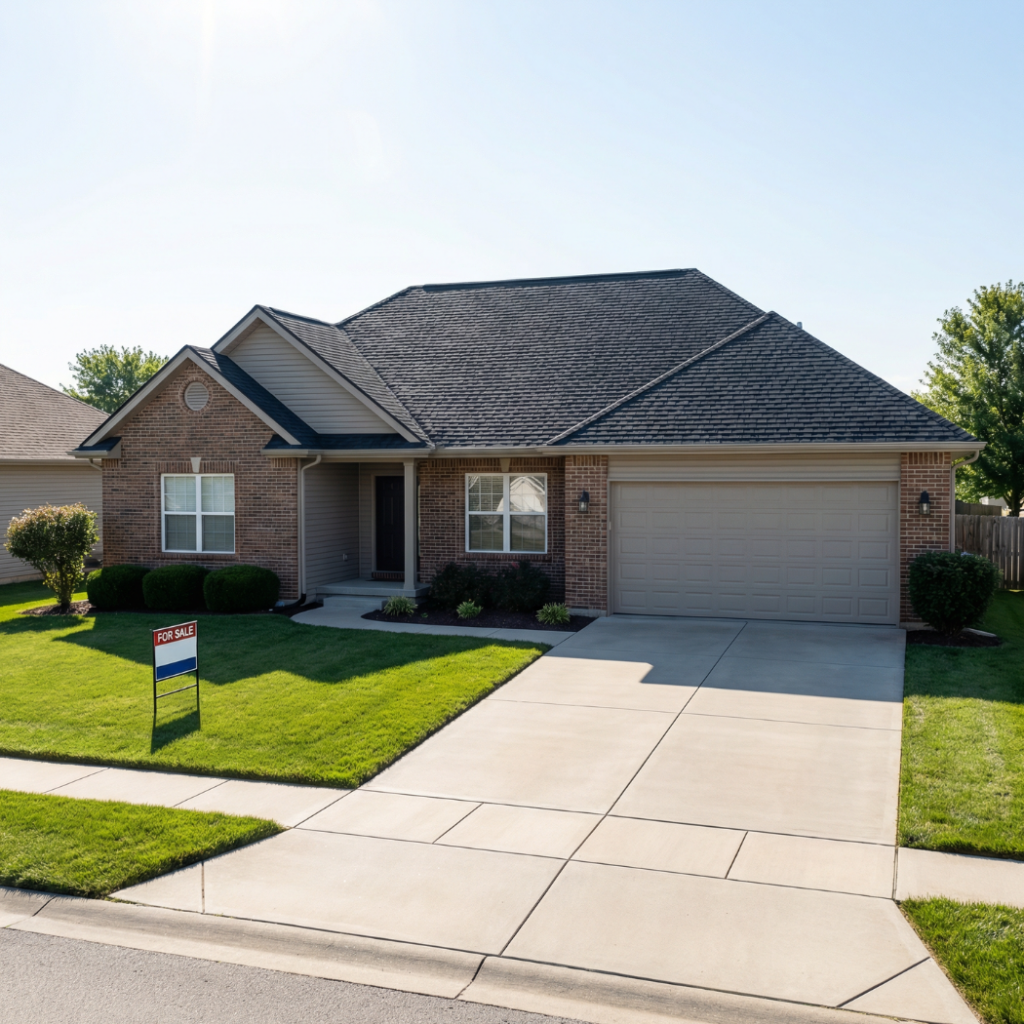
If you are thinking about selling your home in Rogersville or anywhere across Southwest Missouri, your roof is one of the first things buyers, inspectors, and lenders evaluate. A new roof won’t always return every dollar you spend, but it can prevent major price drops, keep your transaction on track, and open your home to buyers who depend on FHA or VA financing. This guide explains when replacing the roof before listing is the right move, when a repair or credit is enough, and how to tell the difference before you spend a dime.
TLDR: New roof home value in Missouri is less about what a replacement adds to your sale price and more about what a bad roof costs you in concessions, failed financing, and lost buyers. A free inspection before you list tells you exactly which camp you are in.
You have been in your home for years. The roof is probably 15 or 20 years old, maybe older. You are getting ready to call a realtor. Should you deal with the roof now, or hope buyers do not make a big deal of it?
This is one of the most common pre-sale questions sellers face in Rogersville and across Southwest Missouri. A blanket “replace it before you list” or “just offer a credit” is bad advice without knowing what your roof is actually doing. That is exactly what a free inspection from Roov is designed to tell you before you commit to anything.
Why Roof Condition Matters So Much When You Sell in Missouri
Every buyer bringing a loan to the table will hire a home inspector. Roof condition sits at the top of every home inspection checklist. Any issue flagged in the report becomes negotiating leverage, and Southwest Missouri buyers know how to use it.
Missouri’s storm history makes buyers here especially nervous about roofs. Hail, high winds, and severe spring weather hit this region hard. Buyers have watched neighbors deal with leaks, denied insurance claims, and surprise post-closing repair bills. A roof that looks questionable raises questions they do not want to inherit: Will it pass the insurance company’s inspection? Will it last another five years? Is there water damage underneath that nobody mentioned?
Those concerns translate directly into lower offers, demands for repair credits, or buyers walking away before an offer is ever made.
Pro tip: Before you call a realtor, know what your roof is actually doing. Realtors price homes based on comparable sales, but buyers respond to condition. An unknown roof is a wildcard that hurts you in both pricing and negotiation.
Does a New Roof Increase Home Value in Missouri? (And When It Does Not)
Let’s deal with the ROI question directly. According to the JLC Cost vs. Value 2024 Report, a new asphalt shingle roof returns roughly 60 to 61 percent of its installed cost at resale nationally. That means if you spend $15,000, you may recover around $9,000 to $10,000 in added sale price. On paper, that looks like a loss.
In practice, the calculation is different for most Missouri sellers, because the value of a new roof is not just what it adds in price. It is also what a bad roof costs you in concessions, price drops, and deals that fall apart at the inspection.
The table below compares roof replacement ROI against other common pre-sale improvements. The roof numbers look modest in percentage terms, but they do not reflect the concessions avoided by addressing the roof before listing.
| Pre-Sale Improvement | Typical Cost | National ROI at Resale | What It Actually Protects |
|---|---|---|---|
| Asphalt shingle roof replacement | $15,000 to $20,000 | 60 to 61% | Inspection leverage, FHA/VA eligibility, insurance coverage for buyer |
| New garage door | $4,000 to $6,000 | 190 to 194% | Curb appeal only |
| Minor kitchen update | $15,000 to $25,000 | 96% | Buyer preference, not transaction risk |
| Exterior door replacement | $2,000 to $4,000 | 188% | Curb appeal only |
Pro tip: The garage door and door replacement numbers have high ROI because they are low-cost projects. A roof replacement has a lower percentage return but prevents transaction risks that a new door does nothing to address. These are not competing choices; they serve completely different purposes.
Pro tip: In a $250,000 home sale, a $12,000 buyer concession tied to roof condition represents nearly 5 percent of your sale price. That is a material loss that a pre-listing replacement often would have cost less to prevent.
What a Bad Roof Actually Costs at Closing
Buyers who find a flagged roof in the inspection report do not typically walk away quietly. They use it. A common sequence: the buyer’s inspector calls the roof at end of life, the buyer asks for a $10,000 to $15,000 repair credit, and you either agree or renegotiate from a weakened position weeks into the process. That credit comes out of your net proceeds at retail roof pricing, not at the cost a seller who hired a roofer before listing would have paid.
New roof home value in Missouri also shows up in the financing lane. FHA and VA buyers cannot close on a home with a roof that an appraiser flags as failing or expected to fail within three years. If your price point or neighborhood attracts FHA and VA buyers, a compromised roof can cut off a meaningful share of your buyer pool before you ever see an offer.
| Roof Scenario at Listing | Likely Buyer Response | Financial Impact on Seller |
|---|---|---|
| New or recently replaced roof | Clean inspection; no leverage for buyer | Strongest position; no concessions required |
| 10 to 15 years old, no visible issues | Minor flag possible; documentation request | Small to no financial impact |
| 15 to 20 years old, granule loss or curling | Buyer requests credit or price reduction | Typically $5,000 to $12,000 in concessions |
| End of life, missing shingles, or active leaks | Inspector flags it; FHA/VA financing often blocked | $10,000 to $20,000 reduction or deal collapses |
Real example: A Rogersville seller had a 22-year-old roof with visible curling and granule loss on the south slope. The home went to market without addressing it. The buyer’s inspector flagged it as end of life. The buyer demanded a $16,000 repair credit. The seller, not wanting to lose the deal after weeks on market, agreed. A full roof replacement from Roov before listing would have cost significantly less, and the seller would have kept the difference as equity.
Replace Before Listing vs. Sell As-Is: Deciding by Situation
There is no universal right answer. The decision depends on the roof’s condition, your timeline, your buyer pool, and what you are actually trying to accomplish. The table below covers the most common seller scenarios.
| Situation | Best Path | Reason |
|---|---|---|
| Roof is 20-plus years old with visible wear, curling, or missing shingles | Replace before listing | The inspection will flag it; concessions will exceed replacement cost |
| Active leaks or visible interior water damage | Replace before listing | Any serious buyer will walk or demand far more than repair costs |
| Roof 12 to 15 years old, no active issues | Get inspection first; targeted repairs likely sufficient | A clean documented inspection removes buyer fear without full replacement |
| Potential storm damage not yet assessed | File claim first, then list with new roof | You may get a full replacement for only the deductible amount |
| Investor or cash buyer expecting distressed pricing | As-is with honest pricing may be cleaner | Cash buyers price in condition; just be upfront |
Pro tip: If your buyer pool is primarily FHA or VA borrowers, an end-of-life roof is not a negotiation problem. It is a financing problem. The deal may simply not close without roof repairs being completed first, regardless of what you and the buyer agree to on price.
Should I Replace My Roof Before Selling?
The honest answer is: it depends on what the inspection says. If the roof has real remaining life and no major issues, targeted repairs plus a documented Roof Condition Report may be all you need. If the roof shows end-of-life conditions, missing shingles, curling, or active leaks, a full roof replacement before listing almost always costs less than the concessions you will give up after the inspection report comes in.
Get the inspection before you decide, not after the buyer’s inspector decides for you.
The table below shows how different buyer types respond to roof condition, which helps you understand who you are selling to and what matters to them.
| Buyer Type | Financing | Roof Tolerance | What They Need |
|---|---|---|---|
| First-time buyer | FHA (3.5% down) | Low: fear of repair costs | Roof must pass FHA appraisal; prefers clean inspection |
| Veteran or active military | VA loan | Low: strict MPR requirements | VA appraiser must certify roof has remaining useful life |
| Move-up buyer | Conventional | Moderate: will negotiate but won’t walk over minor issues | Will use inspection report to negotiate; prefers documented condition |
| Investor or flipper | Cash | High: expects to deal with repairs | Will price condition in aggressively; not bothered by roof age |
| Retiree downsizing | Cash or conventional | Low: does not want surprises | Wants clean inspection; less tolerant of deferred maintenance |
Pro tip: Before you list, ask your realtor what type of buyer most commonly purchases homes in your neighborhood at your price point. That answer directly determines how much risk your roof’s condition carries.
How Roof Condition Shows Up in Appraisals and Inspections
The Buyer’s Inspector
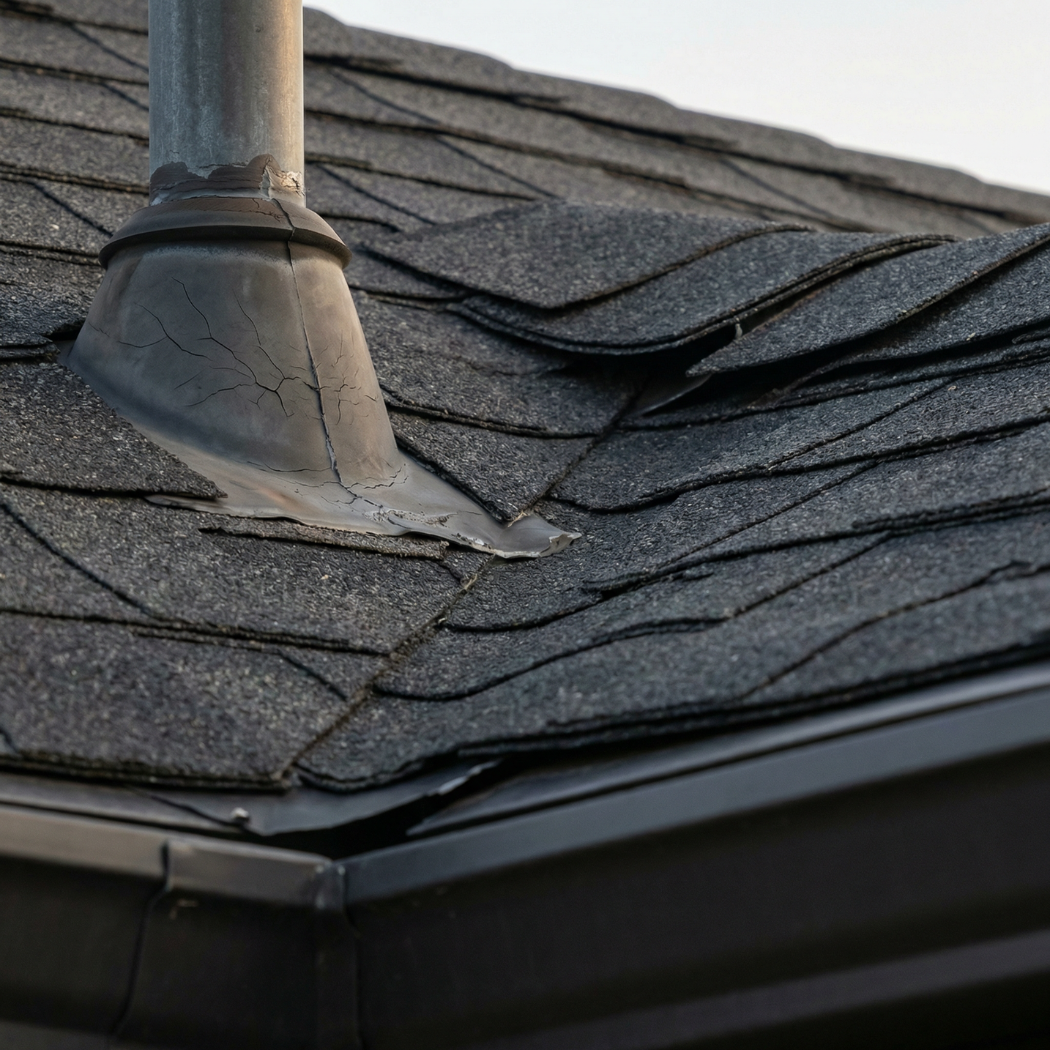
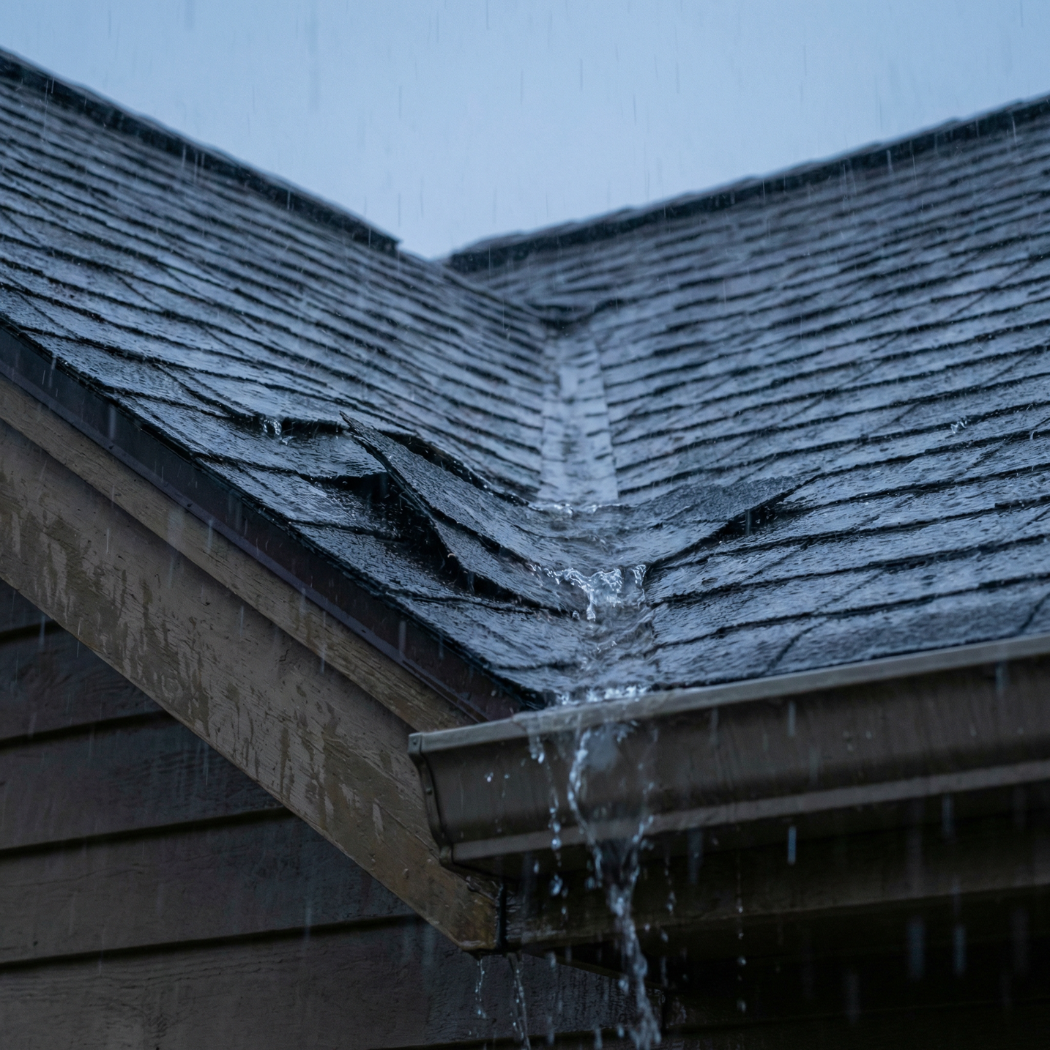
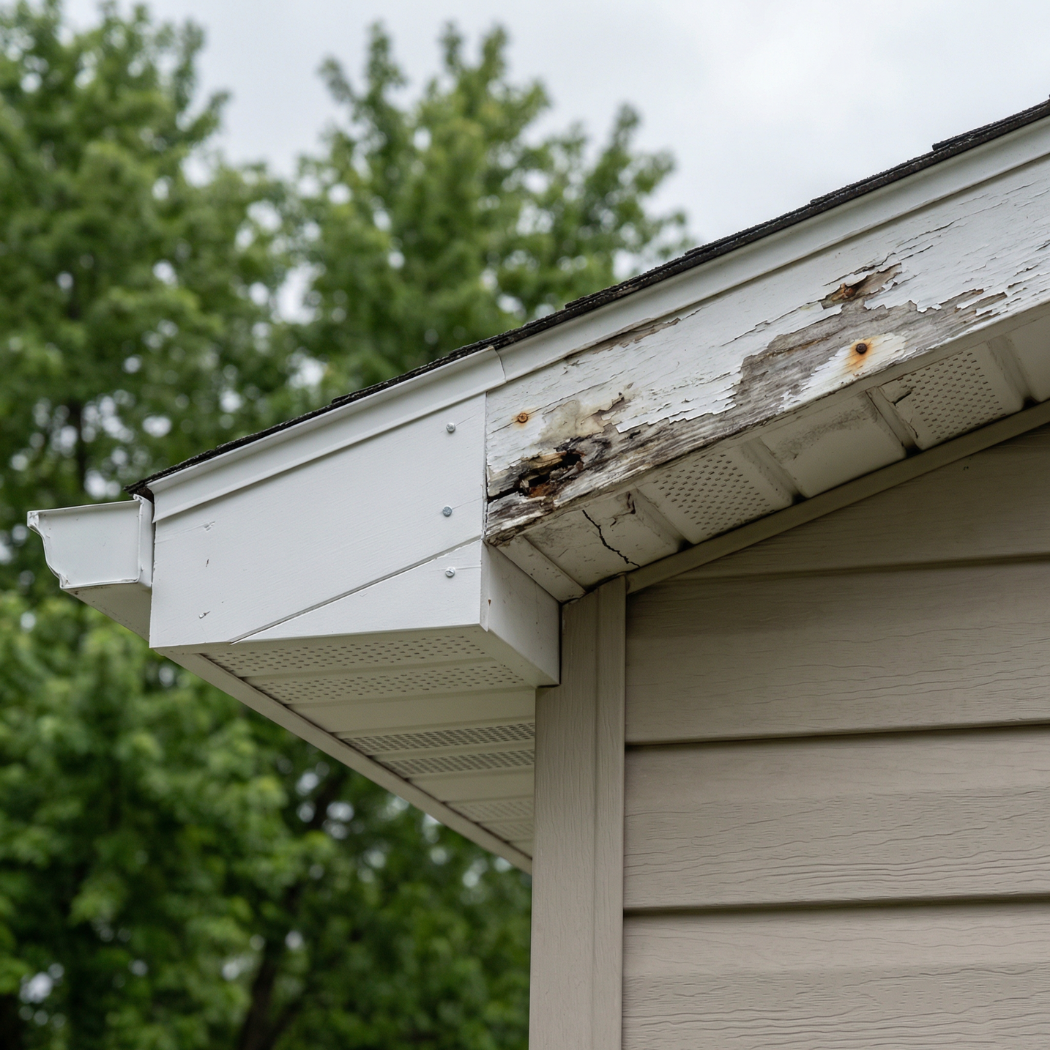
Home inspectors do not miss roofs. They photograph condition, check flashing, look for granule loss, and examine ridge and valley integrity. Every issue they find goes into a written report the buyer reads carefully. That report then becomes a negotiation document.
The worse the roof condition documented in the inspection report, the more leverage the buyer holds after you have already accepted their offer and are emotionally committed to selling. That is the worst possible negotiating position.
The Appraiser
Conventional appraisers consider overall condition when making their comparable adjustments. A roof in poor condition can pull down a property’s overall rating and affect the appraised value through those adjustments.
FHA and VA appraisers operate under stricter standards. Per Chase’s FHA appraisal guidelines, FHA appraisals require the roof to keep moisture out and the attic to be checked for signs of roof problems. The VA requires roofing to be in good condition with meaningful remaining useful life. If either standard is not met, the loan does not close without repairs being completed first.
The Buyer’s Insurance Company
Buyers with mortgages are required to carry homeowners insurance. If the roof is old or damaged enough, the buyer’s insurer may decline to write a new policy, require a roof inspection before binding coverage, or limit coverage to actual cash value rather than full replacement cost.
According to the Insurance Information Institute’s guidance on roof age and homeowners insurance, insurers may decline new policies for homes with roofs over 20 years old or require inspections before coverage is bound. A buyer who cannot get insured cannot close, regardless of what was agreed on price.
Pro tip: The sequence matters. When a buyer’s inspector flags the roof, you lose negotiating position. When an appraiser flags it, your financing structure is at risk. When an insurer flags it, the deal can collapse in the final days. Addressing the roof before listing short-circuits all three problems at once.
Pro tip: Ask your realtor how many homes in your local area have closed recently with roof-related concessions or price reductions. In Southwest Missouri markets, it is more common than most sellers expect going in.
Real example: A Springfield seller accepted an offer from a VA buyer. The VA appraiser flagged the 19-year-old roof as not meeting minimum remaining life requirements. The seller had to choose between completing a full replacement as a condition of the sale, renegotiating price, or releasing the buyer. After three weeks of back-and-forth, the seller replaced the roof before closing on a deadline. The cost was higher than if it had been done pre-listing, and carrying costs had accumulated during the delay.
Using Insurance Legitimately to Replace the Roof Before Selling
If your roof has real storm damage, this is the most financially advantageous path available to a seller in Southwest Missouri.
Here is how it works. You are preparing to list your home. The roof is 12 to 18 years old. You have not had it inspected since a hail event two or three years ago. Roov performs a free inspection and finds legitimate hail or wind damage. We document it with photographs and a Roof Condition Report detailing the cause. You file a claim. If the claim is approved, you get a new warrantied roof installed for the cost of your deductible, often $1,000 to $2,500, rather than $12,000 to $18,000 out of pocket. You list the home with a brand-new roof, a clean inspection, and every buyer able to obtain financing.
This requires real, documented storm damage. Roov does not manufacture damage or coach homeowners to file questionable claims. But Southwest Missouri sees significant hail and wind events routinely, and many homeowners have legitimate damage they never knew about because they never had a professional inspection done.
Pro tip: If you are planning to list in spring, schedule your inspection in January or February. That gives you time to file a claim, complete any approved work, and list before peak buying season with a clean roof behind you.
Pro tip: Check your records for dates of major hail or wind events in your area over the past two to three years. Most policies have a filing deadline, so do not assume old damage cannot be addressed. A Roov inspection will tell you whether the damage is still documentable.
Real example: A Springfield seller had a 14-year-old roof on a home listed at $285,000. Before listing, Roov’s inspection found widespread hail damage from a storm 18 months prior. The seller filed a claim, had the full roof replaced for the cost of the deductible, and listed with a new roof. The home received multiple offers in the first week and closed above asking price. The seller’s net was substantially higher than an old-roof listing would have produced.
What Roov Checks in a Pre-Listing Roof Inspection
When you schedule a free roof inspection from Roov before putting your home on the market, we assess every condition that a buyer’s inspector, appraiser, and insurance underwriter will evaluate. That includes shingle condition and estimated remaining life, granule loss, flashing at chimneys and penetrations, ridge and valley integrity, evidence of prior repairs, ventilation, and any signs of active or prior water intrusion.
You receive a written Roof Condition Report documenting the findings. That report serves multiple purposes for a seller. It tells you clearly whether a full replacement, targeted repairs, or documentation alone is the right path. It gives you something concrete to share with buyers before they hire their own inspector, which reduces the fear-driven negotiation that comes from uncertainty. And if storm damage is found, it becomes the foundation of your insurance claim.
Roov will tell you honestly if a repair is enough. If your roof has seven years of remaining life and no active issues, that is what the report will say, and we will tell you to skip the replacement. We are not in the business of selling work that is not needed.
Pro tip: A written Roof Condition Report from a GAF Master Elite certified inspector changes the buyer conversation.
Pro tip: If you are going to replace the roof before listing, complete it at least three to four weeks before the home goes on market. That gives time for all warranty paperwork to be finalized, for professional listing photos to capture the new roof, and for the work to be fully verified before any showing.
Pro tip: A new roof is one of the few pre-sale improvements that appears in listing photos as clearly as it does on the ground. Fresh architectural shingles in listing photos signal a well-maintained home before any buyer steps through the door. Instead of wondering what is wrong with the roof, buyers see documentation of what was found and what was addressed. It removes the unknown that drives down-offer psychology.
Real example: A Rogersville seller preparing to list asked Roov for an inspection four months before their target list date. The inspection found hail damage from a storm 20 months prior. They filed a claim, had the roof fully replaced, and listed with a new roof and a clean Roof Condition Report. Their agent reported that every showing included a positive buyer comment about the new roof.
Real example: A Nixa seller was advised by a neighbor to replace the roof before listing. The roof was 13 years old. Roov’s inspection found minor flashing wear at one pipe boot and no other issues. We repaired the boot, documented the clean inspection, and the seller listed with confidence. The buyer’s inspector found no roof issues. The seller avoided an unnecessary full replacement.
Frequently Asked Questions
Q: Is it worth putting a new roof on before selling my house in Missouri? It depends entirely on the roof’s current condition. If the roof is at or past end of life, has active leaks, or shows significant visible wear, replacing it before listing almost always costs less than the concessions you will face after the inspection. If the roof has meaningful remaining life and no active issues, targeted repairs and a documented inspection may be all you need. Get the free inspection first, then make the decision based on real information.
Q: Will a bad roof scare buyers away? Yes, in many cases. Buyers who have done basic research know that a flagged roof is an expensive problem. First-time buyers are often the most affected because they are already stretched on finances and the last thing they want is a major repair year one. In Southwest Missouri, where buyers are generally aware of storm history and insurance dynamics, a questionable roof creates hesitation before an offer is ever submitted.
Q: Can I just offer a repair credit instead of replacing the roof? You can, but the math rarely works in your favor. When you offer a repair credit, buyers expect it to cover full retail roof replacement cost plus a buffer for the hassle of managing the project after closing. You typically end up offering more in credits than the roof would have cost to replace before listing. The exception is a cash or investor buyer who is already pricing in distressed condition, where as-is with honest pricing can be cleaner for both sides.
Q: Will a new roof help my home appraise higher? Not automatically. Appraisers work from comparable sales data, and a new roof does not add a guaranteed line-item bump to the appraised value. What it prevents is a roof condition issue dragging the appraisal down or triggering repair conditions on FHA and VA loans. Think of it as protection against a lower appraisal, not a guarantee of a higher one.
Q: Does a new roof help sell a house faster in Missouri? Yes, generally. A home that clears the inspection without major issues closes on its original timeline. A home where the roof gets flagged by the inspector enters a renegotiation period that adds weeks and can kill the deal entirely. A new roof removes that risk from the transaction calendar.
Q: Do buyers care what kind of shingles are chosen for a pre-sale replacement? For most buyers, no. Asphalt architectural shingles that match the neighborhood and carry a strong manufacturer warranty are all that matters to the average buyer. Spending significantly more on premium materials to boost resale value rarely returns the premium at closing unless the neighborhood specifically supports it.
Q: Can I sell my house with a bad roof in Southwest Missouri? Yes, but your options narrow significantly. Cash buyers and investors will purchase homes in any condition, but they price that condition into their offer aggressively. If you list on the open market with a known roof problem, most buyers using financing will either walk or use the inspection report to demand concessions that often exceed what a pre-listing replacement would have cost. If selling as-is is your goal, price it honestly from the start.
Q: How does roof age affect home value in Rogersville specifically? Rogersville sits on the Greene and Webster County line, where the buyer pool includes a significant share of first-time buyers and VA borrowers connected to the Fort Leonard Wood and Springfield areas. Both FHA and VA financing carry roof condition requirements that can block a transaction entirely if the appraiser flags the roof. In that buyer pool, a roof in poor condition is a transaction risk, not just a negotiation point. A pre-listing inspection and Roof Condition Report protects your ability to close with the widest possible buyer pool.
Key Takeaways
- Value is about avoiding losses, not just adding them. A new roof rarely returns 100% of its cost in added sale price, but it prevents buyer concessions that often exceed what a replacement would have cost.
- Bad roofs lose deals. A flagged inspection report is leverage for the buyer, a risk to FHA and VA financing, and a barrier to insurance coverage. Any one of those can kill your transaction.
- Get the inspection before calling the realtor. Knowing your roof’s actual condition tells you whether you need a full replacement, targeted repairs, or just documentation.
- Insurance can be the best financial path. If your roof has real storm damage, a legitimate claim may cover a full replacement for just the cost of your deductible.
- Repair credits usually cost sellers more. Buyers expect credits to cover full retail replacement price plus a premium. Replacing before listing is almost always cheaper.
- Not every aging roof needs replacing. A 13-year-old roof in good condition with a documented clean inspection is a sales asset, not a liability.
- Roov will tell you honestly what the roof needs. If repairs are enough, that is what the report will say.
Thinking About Selling? Get a Roof Reality Check First.
Before you call a realtor, before you pick a list price, know what your roof is doing. Roov serves Rogersville, Springfield, Nixa, Ozark, Lebanon, Republic, and communities across all eight counties of Southwest Missouri. Every inspection is free, no-pressure, and documented in a written Roof Condition Report you can share with your agent and any prospective buyer.
Call 417-370-1259 or schedule your free roof inspection online.
Roov | Roofing with a Purpose | Serving Southwest Missouri